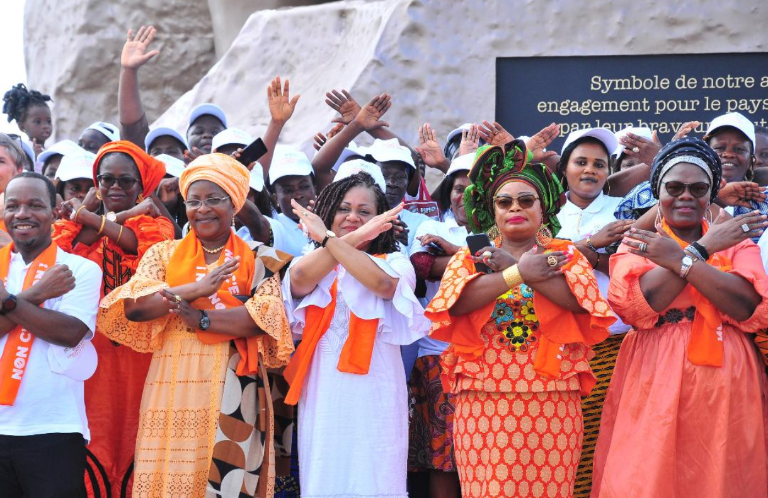
Benin is taking a decisive step to turn legal promises into tangible protection for women and girls. On November 4, 2026, the Council of Ministers, led by Prime Minister Romuald Wadagni, approved the submission of the African Union Convention on the Elimination of Violence Against Women and Girls to the national assembly for ratification. This move signals a shift from policy declarations to concrete action, aiming to strengthen national laws and establish stronger mechanisms to combat gender-based violence in all forms.
From policy promises to legal protection
The decision marks a critical milestone in Benin’s ongoing effort to address a persistent societal challenge. Gender-based violence remains deeply rooted across homes, workplaces, public spaces, and digital platforms. These violations undermine the dignity, safety, and fundamental rights of women and girls, creating barriers to education, employment, and participation in public life.
By ratifying the AU Convention, Benin joins a legal framework that obliges the country to implement binding measures to prevent, protect, and prosecute violence. This is not merely symbolic—it sets a new standard for accountability and systemic change.
How violence affects women and the economy
Violence against women and girls has far-reaching consequences that extend beyond personal trauma. Economically, studies show that gender-based violence leads to lower workforce participation, reduced productivity, and significant healthcare costs. Survivors often face barriers to education and employment, perpetuating cycles of poverty.
In Benin, where informal labor dominates and women play vital roles in agriculture and trade, the economic ripple effects of violence are particularly damaging. Loss of income due to absenteeism or inability to work affects families and communities, disproportionately impacting girls who may be forced to abandon schooling to escape abusive environments.
Key sectors impacted
- Employment: Survivors often experience long-term unemployment or underemployment, reducing economic output.
- Education: Girls who experience violence are more likely to drop out, limiting future opportunities.
- Healthcare: Increased demand for medical care strains public health systems.
- Digital economy: Online harassment and cyberstalking deter women’s participation in remote work and digital entrepreneurship.
A legal framework that leaves no room for tradition
The AU Convention explicitly rejects any justification of violence based on culture, tradition, or religion. This principle reinforces that human dignity must always take precedence over harmful practices. For Benin, this means confronting long-standing social norms that have perpetuated violence under the guise of custom or community expectation.
The Convention also recognizes that violence is not limited to physical assault. It includes psychological abuse, economic control, digital harassment, and coercive behaviors—forms that are often overlooked but devastating in their impact. By acknowledging these realities, the legal framework pushes Benin to develop comprehensive prevention and response strategies.
What ratification means for women and girls
Ratification will empower institutions to enforce stricter penalties, improve victim support services, and invest in prevention programs. It also creates a legal pathway for survivors to seek justice, including in cases of digital abuse, which have surged with the rise of social media and online platforms.
Minister of Family and Social Action, Véronique Tognifodé, emphasizes that legal change must be matched with cultural transformation. ‘Ratifying this Convention is more than a procedural step—it’s a commitment to protecting every woman and girl in Benin. But the true test lies in how we implement these standards across communities, schools, workplaces, and homes,’ she says.
The road ahead: turning laws into lived safety
With the dossier now in the hands of parliamentarians, the next phase will determine whether Benin’s leadership translates into real-world impact. The success of this initiative will be measured not only by legal adoption but by measurable improvements in safety, access to justice, and societal attitudes.
As Benin prepares to observe the International Day for the Elimination of Violence Against Women on November 25, this decision arrives at a pivotal moment. It signals that the fight for gender equality in the country is entering a new era—one where accountability is enforced, victims are supported, and prevention is prioritized.
For Prime Minister Wadagni, the move reflects a clear vision: ‘Benin’s progress cannot be measured only by economic growth or infrastructure development. It must also be seen in the safety and freedom of every citizen—especially women and girls who deserve lives free from fear and violence.’
What to watch in the coming months
- Parliamentary approval timeline and potential debates.
- Development of national action plans to enforce the Convention’s provisions.
- Expansion of shelters, hotlines, and mental health services for survivors.
- Public awareness campaigns targeting schools, religious leaders, and local communities.
- Monitoring of digital violence cases and policies protecting women online.
The journey from ratification to real change is long, but Benin has declared its intention to walk it. The question now is not whether the government has the will—but whether the nation has the collective strength to uphold it.