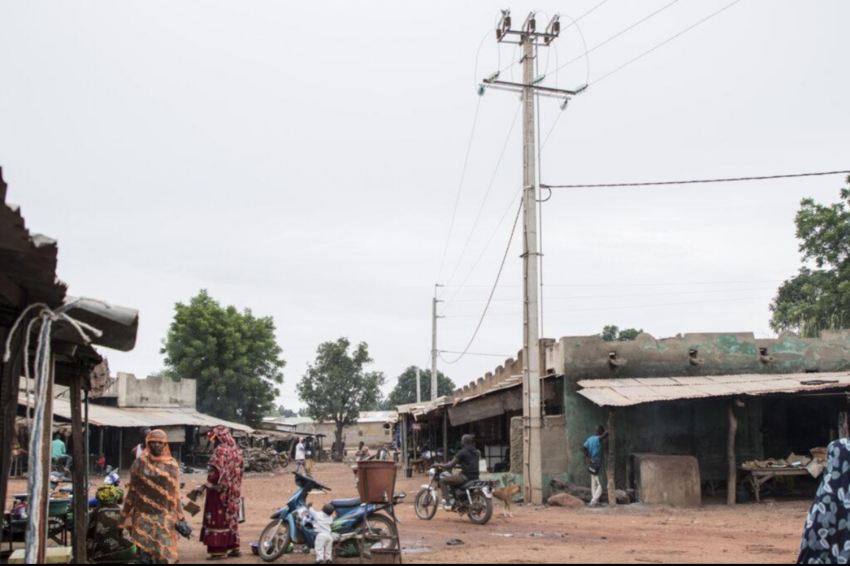
When Mali severed ties with the Economic Community of West African States (ECEAW) in 2024, many feared the move would sever critical development lifelines. Yet, a flagship electrification initiative launched five years earlier continues to illuminate thousands of rural households across the landlocked nation. This unexpected continuity reveals how infrastructure projects can outlast diplomatic fractures, delivering tangible benefits to citizens when pragmatism prevails over political rupture.
Infrastructure without interruption: a project that bridges division
The regional electricity access project, initiated in 2019 under the ECEAW banner, remains operational despite Mali’s withdrawal. Funded by a $225 million World Bank grant and technically coordinated by the regional body, the program has electrified 490 communities and benefitted nearly 500,000 people across Gambia, Guinea-Bissau, and Mali.
The program’s durability stems from a dual funding structure. While the World Bank provided the lion’s share, the ECEAW coordinates implementation, allowing Mali’s technical teams—including experts from Énergie du Mali (EDM-SA)—to remain engaged without compromising national sovereignty. This practical participation contradicts the narrative of complete disengagement, demonstrating how national interest can transcend institutional hostility.
Pragmatic participation in a fractured region
Mali’s decision to leave ECEAW followed a period of intense political friction, yet the country continues to participate in technical committees evaluating project progress. During a recent coordination meeting in Abuja, Malian delegates stood alongside their ECEAW counterparts, discussing grid expansion timelines and load balancing strategies. This silent cooperation underscores a paradox: nations can withdraw politically while maintaining operational collaboration on shared challenges.
The ECEAW’s role remains essential, despite Mali’s membership status. As regional coordinator, it ensures regulatory alignment and technical standardization—critical factors for cross-border energy trade and system reliability. Mali’s continued involvement in these discussions preserves its access to expertise and best practices, even amid diplomatic isolation.
Life-changing connections: electricity as a development catalyst
For rural Malian communities, reliable electricity translates directly into measurable improvements in daily life. Small agricultural businesses can now operate after sunset, children study under safer lighting, and local clinics refrigerate vital medicines. These are not abstract benefits but concrete realities for households connected through the program.
Oumar Sissoko, director of Énergie du Mali (EDM-SA), highlights the project’s transformative impact: “In communities where we’ve completed installations, income levels among women’s cooperatives have increased by up to 40%. Evening markets now operate until 10 p.m., and school attendance has improved significantly.”
The numbers tell their own story: over 7,000 new streetlights have illuminated public spaces, reducing petty crime and extending community activity hours. This ripple effect amplifies the project’s value far beyond its initial scope.
Security delays and the fight for continuity
Implementation hasn’t been seamless. Insecurity in northern regions has forced contractors to adjust schedules, while logistical hurdles increased project costs by 12%. These challenges prompted Malian authorities to request a 30-month extension, awaiting World Bank approval.
This request reveals an uncomfortable truth: the needs of the people persist regardless of political transitions. Citizens don’t care about institutional memberships when their needs for power remain urgent. The extension request isn’t political posturing—it’s a necessity for completing what’s already begun.
Lessons from the grid: can development outlive diplomacy?
The Mali-ECEAW electrification saga offers a case study in practical cooperation. When institutions fracture, people still need electricity, businesses still need power, and communities still need connection. The project proves that development pipelines can—under certain conditions—survive political rupture.
For regional bodies like ECEAW, the lesson is clear: infrastructure projects with proven benefits can become diplomatically untouchable, even when relations sour. The challenge now lies in formalizing these exceptions, creating frameworks that protect development gains regardless of political winds.
For Mali, the message is equally compelling. The country didn’t need ECEAW membership to benefit from an initiative that predated its departure. Sometimes, the most valuable partnerships are those we choose to maintain, even when our institutions say otherwise.
The future of cross-border power collaboration
As climate change intensifies pressure on energy systems, the Mali example could become a blueprint for other African nations facing similar dilemmas. The convergence of national interest, development imperatives, and technical interdependence may create new forms of cooperation—ones that prioritize practical outcomes over political purity.
One thing is certain: the lights will continue burning in Malian villages long after the diplomatic dust settles. The only question is whether other regions will follow this quiet model of pragmatic partnership.