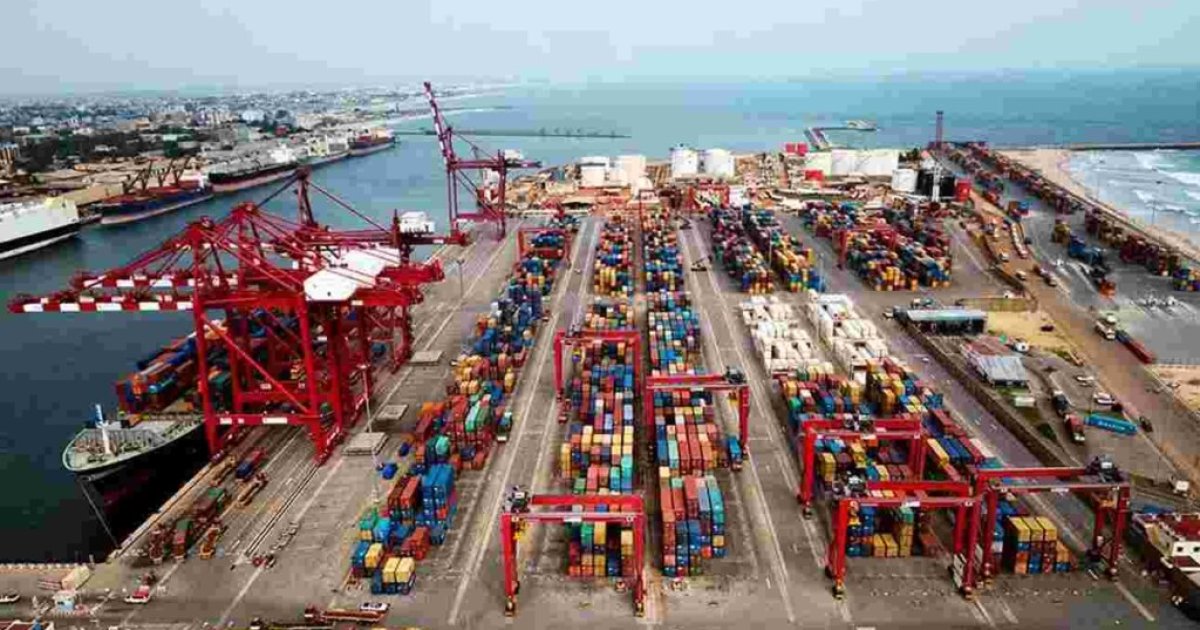
Benin’s port training deal with Luxembourg: reactions, debate and what happens next
The €15 million CAP-PORT protocol has triggered a lively public conversation in Benin about skills, jobs and accountability, but key operational details remain under wraps.

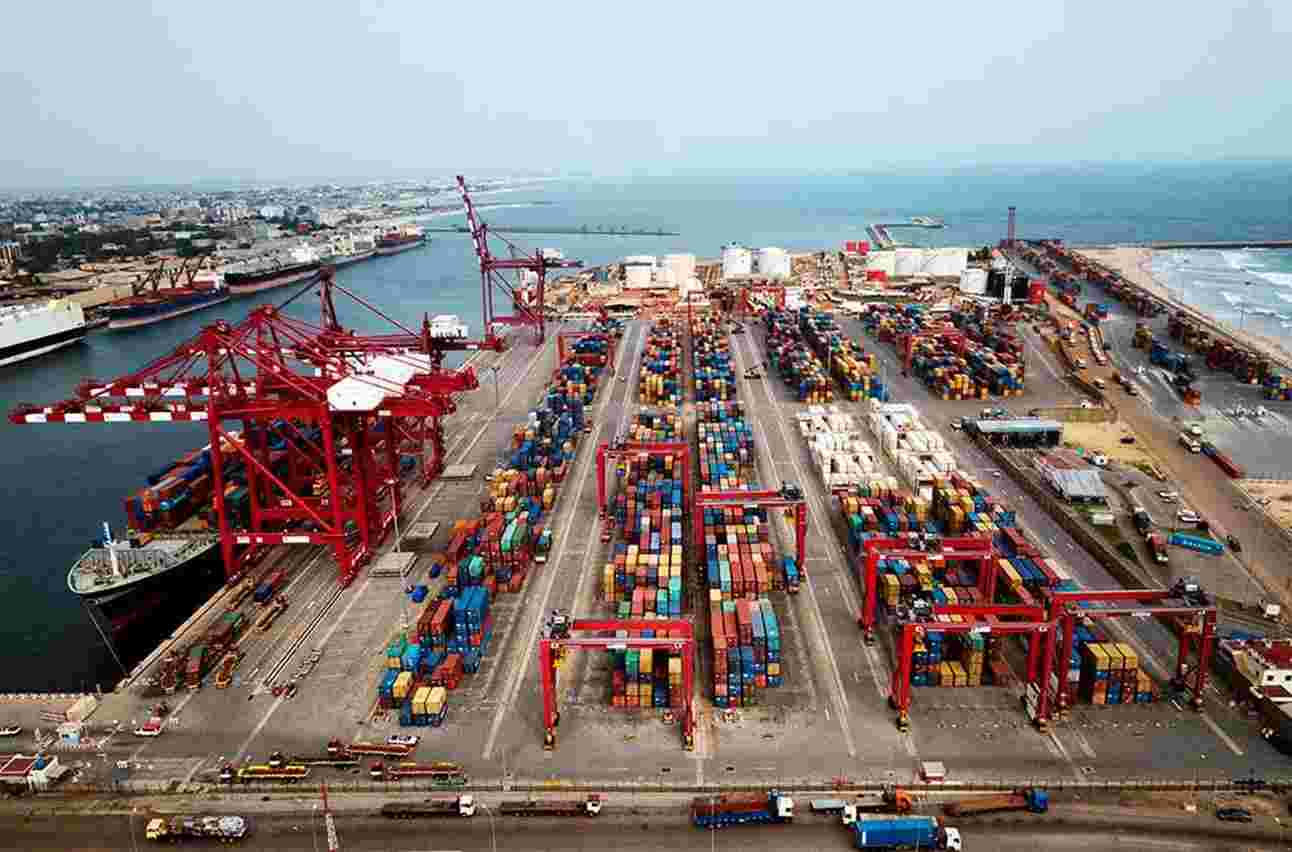
Luxembourg has pledged €15 million — more than 9.8 billion FCFA — to develop port and logistics training in Benin, and the announcement has sparked both enthusiasm and pointed questions. The CAP-PORT protocol was signed in New York on the sidelines of the 81st United Nations General Assembly, setting the stage for a debate that is now rippling through Cotonou’s training centres, docks and government offices.
Who stands to gain, and why the announcement resonates
According to the Beninese government, the programme is designed for young people and women aged 18 to 35 who are looking for work, for low-skilled individuals, and for current workers who want to upgrade their skills. The stated goal is to strengthen training provision and make it easier for people to find jobs in port and logistics activities.
The skills on the table
The courses are expected to cover the operation and maintenance of handling equipment and vehicles, safety, documentary compliance, and the use of digital systems. The scheme is set to rely on a dedicated space where these skills can be developed.
What the signature actually commits
For Benin, the protocol was signed by Hugues Oscar Lokossou, Minister of Economy and Finance responsible for mobilising external resources and managing debt. For Luxembourg, Vice-Premier Minister Xavier Bettel signed the agreement. The government estimates the active bilateral cooperation portfolio at around €95 million, with the CAP-PORT envelope representing nearly 16 percent of that total.
Questions that remain unanswered
The official publication does not specify the number of beneficiaries, the location of the future training space, the start date, the duration of the courses, or the disbursement schedule. The signature therefore establishes a funding commitment without proving that the full €15 million has already been paid out.
Reactions and the road ahead
The announcement has fuelled expectations among young jobseekers and port workers who see it as a potential turning point for employment. At the same time, observers are pressing for clarity on how the money will be spent and whether the promised training will translate into concrete jobs. In the coming months, the focus will shift to the details: who gets trained, where, and how quickly the benefits materialise for Benin’s port economy.