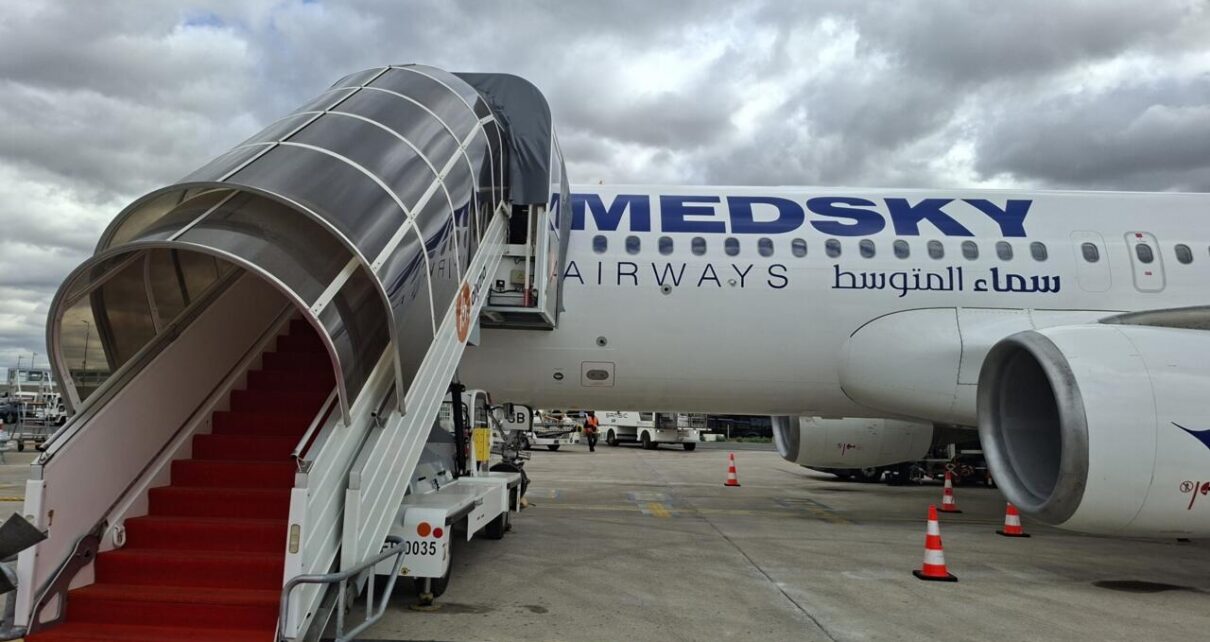
Yaoundé is moving forward with technical working groups to scrutinize Libya’s proposal for a direct air route connecting Tripoli and Cameroon’s capital. The initiative, discussed during a high-level meeting on September 23, 2026, between Cameroonian Transport Minister Jean Ernest Masséna Ngallè Bibehè and Libyan chargé d’affaires Adel Shawi, signals a potential shift in sub-Saharan air connectivity with far-reaching implications for travelers, businesses, and the regional economy.
Cameroon establishes expert teams to assess Libya’s aviation proposal
In response to Libya’s offer to open a direct air route between Tripoli and Yaoundé, Cameroon has formed inter-ministerial working groups tasked with evaluating operational, regulatory, and safety requirements. The decision follows a meeting between senior officials from both countries, where they explored ways to accelerate the project while addressing outstanding concerns.
Minister Bibehè emphasized that Cameroon remains open to collaborations that enhance air traffic and economic cooperation between the two nations. The move reflects a broader strategy to diversify air travel options and strengthen logistical ties with North African partners.
Libya’s aviation revival raises questions about regional integration
Libya’s MesSky airline recently launched its first direct flight from Tripoli to Paris on September 17, 2026, with plans to extend routes from Benghazi—a clear sign of the country’s gradual reintegration into international air travel. However, persistent security challenges continue to cast doubt on the long-term feasibility of such routes. For Cameroon, this raises critical questions about risk mitigation, passenger safety, and the long-term sustainability of a Tripoli-Yaoundé connection.
Economic observers note that if successfully implemented, the air route could reduce travel time between Central Africa and North Africa by up to 40%, facilitating trade, tourism, and cultural exchanges. With Cameroon positioned as a logistics hub in the region, the potential for increased cargo and passenger traffic could have a measurable impact on the country’s economy.
Cross-border cooperation: balancing opportunity and risk
While the proposed air route offers promising economic benefits, it also presents challenges related to airspace sovereignty, aviation safety, and geopolitical stability. Both countries will need to harmonize regulatory frameworks, ensure compliance with international aviation standards, and address security concerns—particularly in light of ongoing instability in Libya.
The working groups in Cameroon are expected to finalize their assessments within the coming months, potentially paving the way for a formal agreement that could redefine air travel between Central and North Africa.
Key sectors poised for growth
- Trade: Faster air freight links could boost intra-African commerce, reducing reliance on European transit points.
- Tourism: Increased connectivity may attract Libyan and European tourists to Cameroon’s national parks and cultural sites.
- Healthcare: Medical evacuations and specialized treatments abroad could become more accessible for Cameroonians.