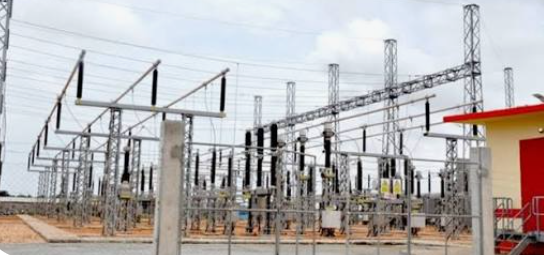
Recent sporadic power cuts across the Bénin electricity grid can be attributed to declining water levels in regional dams. However, the situation was exacerbated by a major fire on April 23 at a key facility linked to Ghana’s Akosombo Dam, which slashed the regional power supply by nearly 1,000 MW. While such a loss could have plunged the country into darkness years ago, strategic investments by the Talon administration—particularly the Maria-Gléta 2 power plant—have ensured a stable supply and prevented a nationwide blackout.
Ghana’s energy crisis disrupts regional supply
Ghana’s recent fire incident has sent shockwaves through West Africa’s electricity network. According to Ghanaian officials, the blaze caused a severe energy deficit, forcing Accra to halt exports to neighboring countries, including Burkina Faso, Togo, and Bénin.
For Cotonou, this abrupt cut-off posed a critical test of resilience. Although the SBEE reported minor disruptions, the worst-case scenario was avoided thanks to long-term energy planning and diversification efforts.
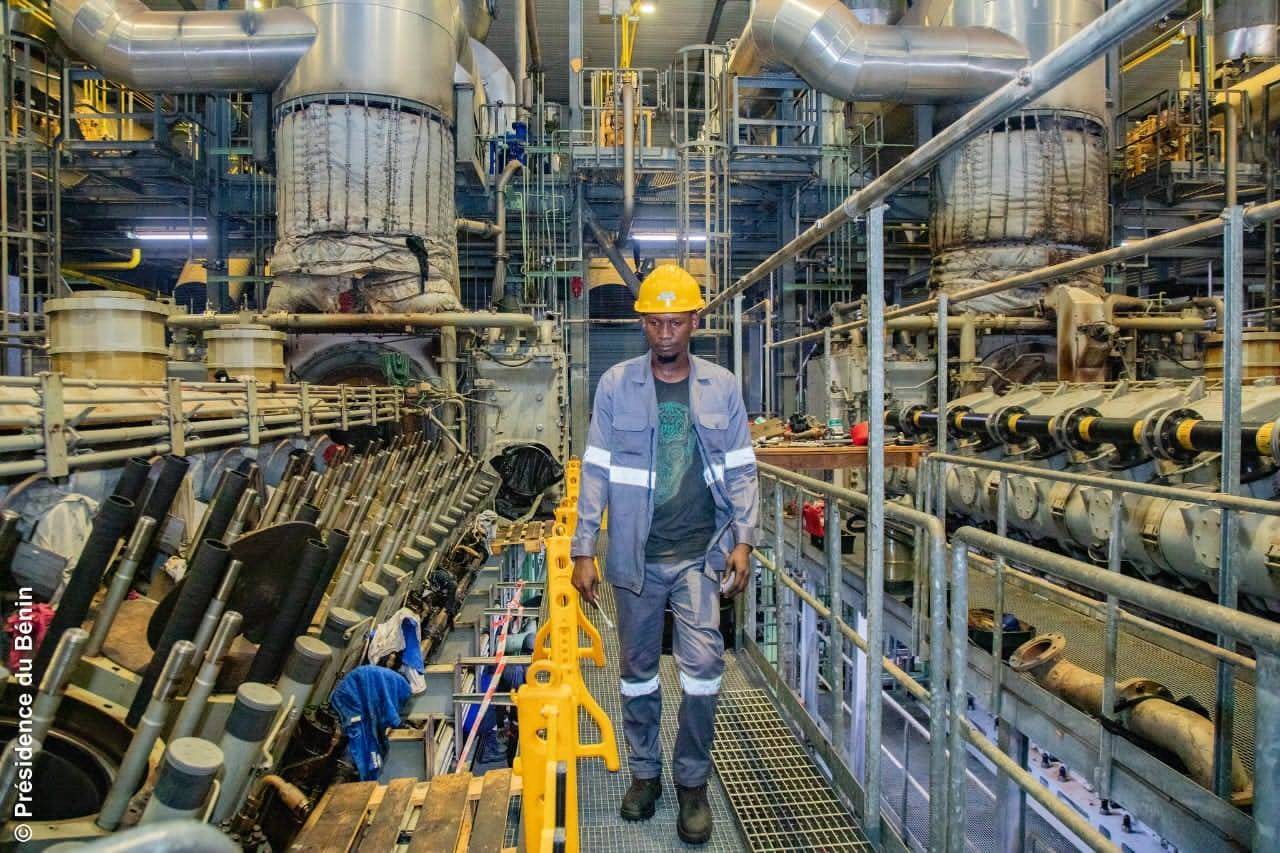
Maria-Gléta 2: Bénin’s lifeline against blackouts
Bénin’s ability to withstand this crisis stems from deliberate policy decisions rather than sheer luck. Years ago, a similar disruption from Ghana would have crippled the national economy and left households in the dark for weeks. Today, the Maria-Gléta 2 thermal power plant—an anchor of the Government Action Plan (PAG)—operates at full capacity to fill the void left by lost imports.
This strategic infrastructure serves as the country’s energy backbone, cushioning the impact of external shocks. What could have been a national catastrophe is now a manageable technical challenge, thanks to domestically generated power.
“Every megawatt produced within Bénin is a step toward energy sovereignty and a guarantee of stability for our people.”
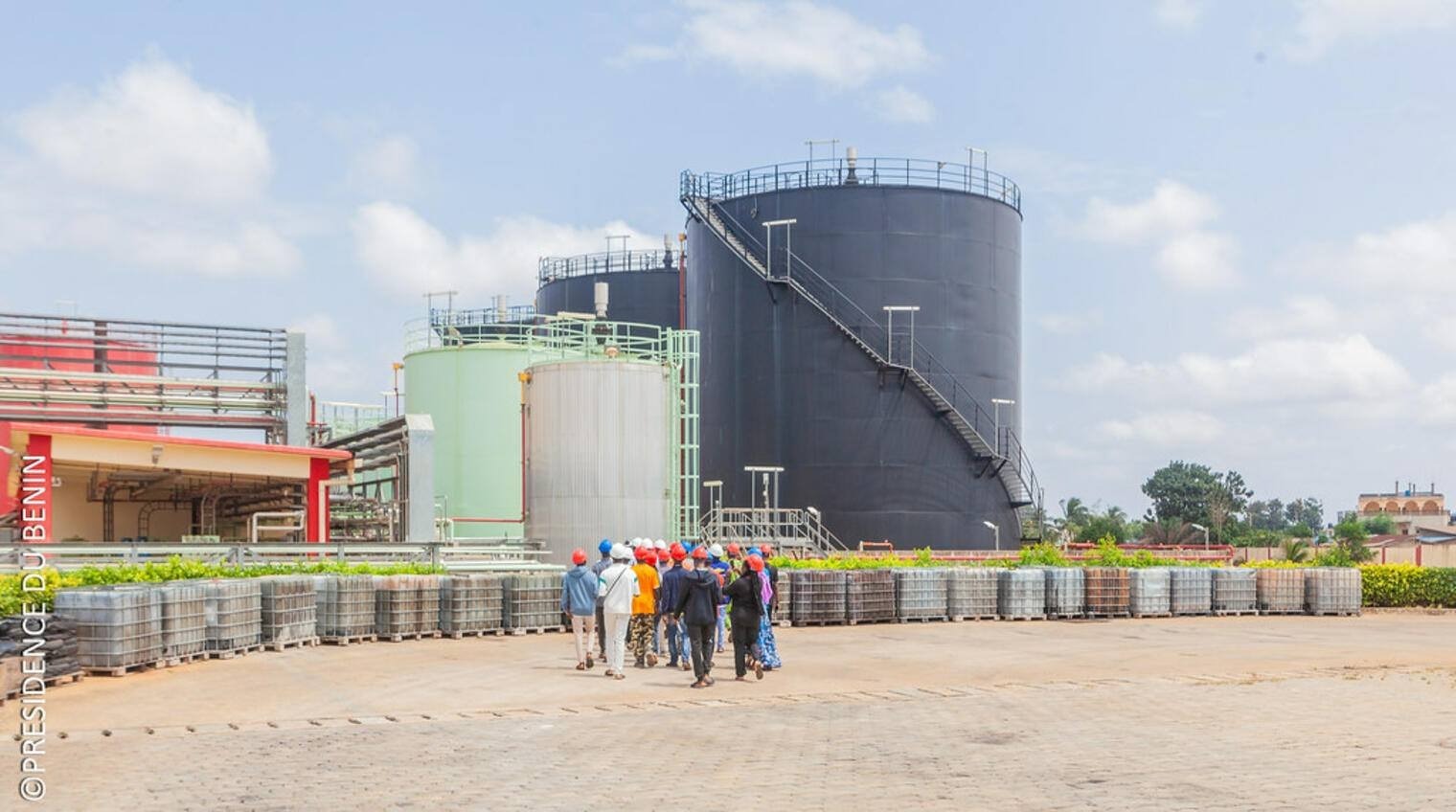
Strategic moves toward full energy independence
The Talon administration is not content with merely weathering external disruptions. Recognizing that a nation’s true strength lies in self-sufficiency, the government is accelerating reforms to modernize distribution networks and expand renewable energy sources, particularly solar projects.
The overarching goal is clear: complete energy autonomy. By boosting domestic thermal capacity, Bénin is ensuring that its industrial growth and daily life remain unaffected by technical failures or political decisions beyond its borders.
Proven resilience validates past investments
While sporadic outages in recent days highlight lingering regional dependencies, the current situation underscores the wisdom of investments made since 2016. The construction of Maria-Gléta has granted Bénin an unprecedented level of energy resilience.
This crisis demonstrates that energy independence is no longer a distant aspiration but an achievable reality, built brick by brick through foresight and determination.