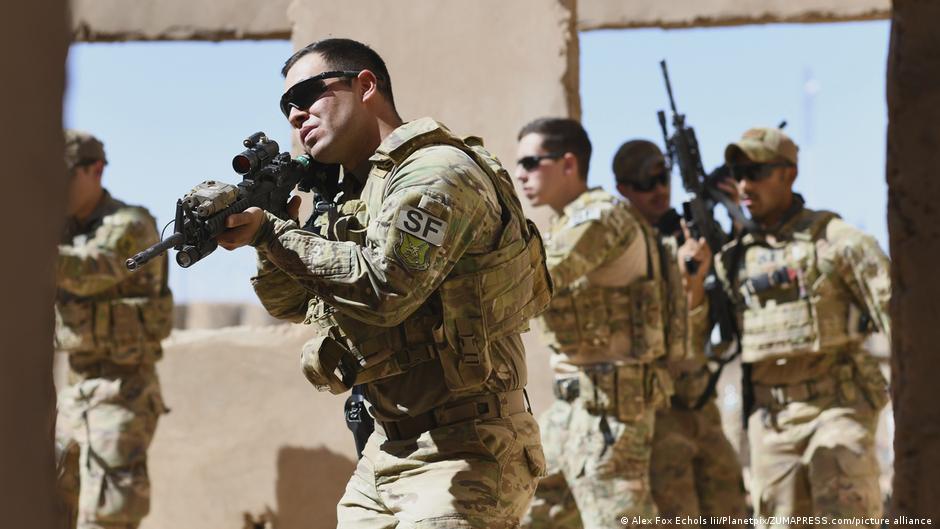
The United States continues to engage in security cooperation with the military-led governments of the Alliance of Sahel States (AES), despite years of strained relations. This stance was confirmed by General John Brennan, Deputy Commander of US Africa Command (AFRICOM), who highlighted ongoing collaborative efforts against terrorism in the region.
a pragmatic approach amid shifting dynamics
“We are still collaborating. In fact, we have even shared critical intelligence with some of these governments to target terrorist cells, though the landscape has changed significantly over the past two to three years,” Brennan stated. He emphasized Washington’s efforts to counter misinformation campaigns that portray US intentions negatively, adding:
“We are working to reassure them of our support, but competing actors are actively spreading false narratives about our goals. We are actively countering these efforts.”
Analysts suggest this pragmatic strategy stems from the urgent need to combat terrorism in the Sahel, even as it raises questions about America’s long-term policy coherence regarding regimes that came to power through coups.
beyond counterterrorism: us interests in the Sahel
“The US has deep strategic interests in the Sahel, extending far beyond counterterrorism,” explained Abdoulmoumouni Abbas, a researcher specializing in radicalization and violent extremism in the Sahel and Lake Chad regions. He noted that American presence in locations like Agadez is also tied to combating drug trafficking, transnational crime, and irregular migration—issues that have intensified in recent years.
In parallel, the US military has been ramping up arms supplies and intelligence sharing with Nigeria to track and dismantle Islamic State-affiliated jihadists. However, Brennan clarified that Washington has no intention of replacing its military bases in Niger following the expulsion of American troops by the country’s junta, a move aimed at easing regional tensions.
balancing security and diplomacy
The delicate diplomatic balancing act reflects the complex realities of US engagement in the Sahel. While maintaining security ties remains a priority, Washington must navigate the challenges of working with governments whose legitimacy is widely contested, all while countering the influence of rival actors seeking to undermine American objectives.