A diplomatic moment that has reshaped the conversation
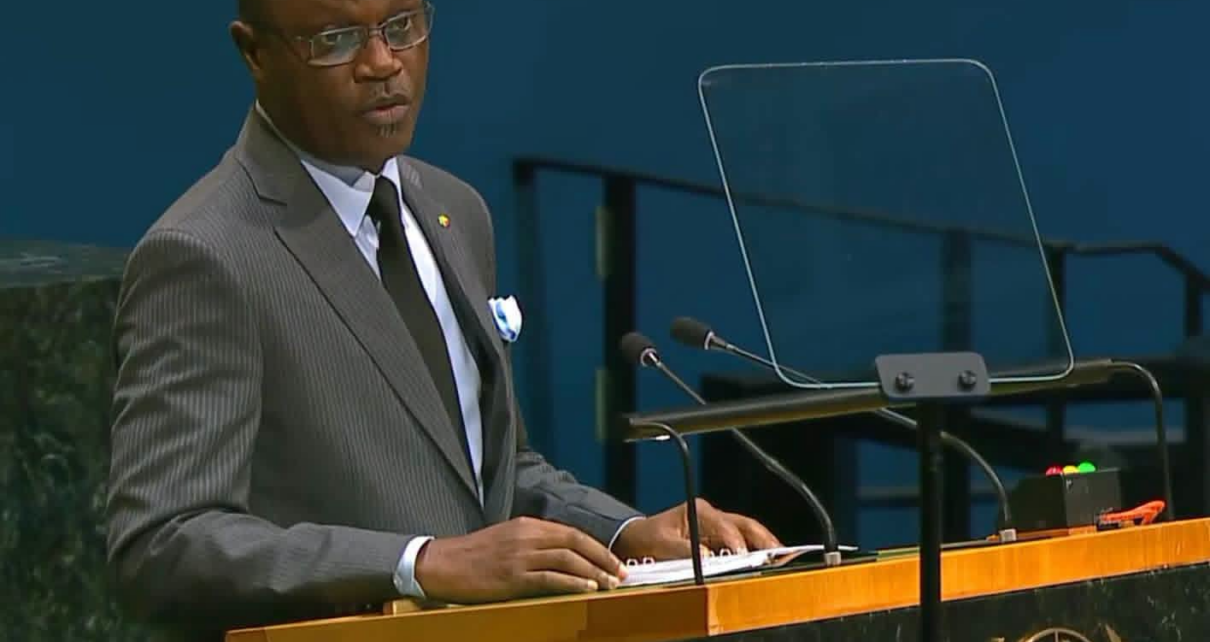
The echoes of Benin’s national statement at the United Nations headquarters in New York are still reverberating across West African capitals. Foreign Minister Corinne Amori Brunet delivered the country’s address on the final day of the general debate of the 81st session of the UN General Assembly, standing alongside the permanent mission led by Ambassador Marc Hermanne Araba, Benin’s permanent representative to the intergovernmental body.
The timing of the speech drew particular attention, as the head of Benin’s diplomacy took the podium right after the delegations of Mali, Burkina Faso and Niger had spoken. That sequencing alone turned the address into a moment of regional significance, and it has since sparked debate about what Cotonou’s positioning means for the wider Sahel.
The fallout: a doctrine that moves beyond declarations
The address carries major diplomatic weight at a time when Benin is wrapping up its presidency of the African Union’s Peace and Security Council. Far from purely theoretical statements of intent, the message carried to the UN rests on a comprehensive security doctrine that Cotonou is actively deploying at both national and regional levels. Observers are now asking whether that approach could serve as a template for neighbours facing similar threats.
Operation Mirador and the push to restore state presence
Confronted with pressure from armed terrorist groups along the northern border zone, Benin has launched Operation Mirador. This preventive and defensive military arrangement is designed to lock down the Pendjari and W national parks and to protect rural communities. The Beninese army pairs this with a strengthened territorial network, built through the large-scale recruitment and training of new security personnel to close the operational gaps that violent groups have exploited.
The Accra Initiative: cooperation as a practical answer
On the diplomatic and military front in the sub-region, Benin remains one of the driving pillars of the Accra Initiative, working alongside Ghana, Togo, Côte d’Ivoire and the Sahel countries. This mechanism translates the orientations defended at the UN podium into concrete action on the ground:
- Tactical information sharing: regular and direct exchanges between intelligence services to track cross-border movements.
- Joint operations: coordinated actions on both sides of borders to prevent armed groups from retreating from one territory into another.
For Cotonou, the value of this framework lies in its practicality — and its reception among partners is now part of the broader debate over how the region should respond to insecurity.
Social prevention and development in border areas
Cotonou is clear that the security response cannot be exclusively military. Through the Beninese Agency for Integrated Management of Border Areas (ABeGIEF), the state invests directly in basic infrastructure in the north of the country: schools, water points, health centres and rural tracks. The goal is to stem the feeling of abandonment, strengthen the resilience of marginalised communities and cut extremist recruitment networks off at the root.
Community security and early warning
The Beninese government is also betting on strengthening the army-nation bond. Through the deployment of citizen alert mechanisms and dedicated hotlines, local populations are brought into the preventive intelligence chain. This inclusive approach aims to build the climate of mutual trust that is indispensable for countering the infiltration of clandestine networks.
What comes next: a doctrine under scrutiny
In a tense sub-regional context, the advocacy carried to New York by the Beninese delegation sums up a clear doctrine: combine operational firmness at the borders, socio-economic investment in local populations and pragmatic multilateral cooperation with all neighbouring partners. The reaction to that message — from regional capitals, international partners and citizens alike — will determine whether Benin’s approach becomes a shared roadmap or remains a singular position in a crowded field.