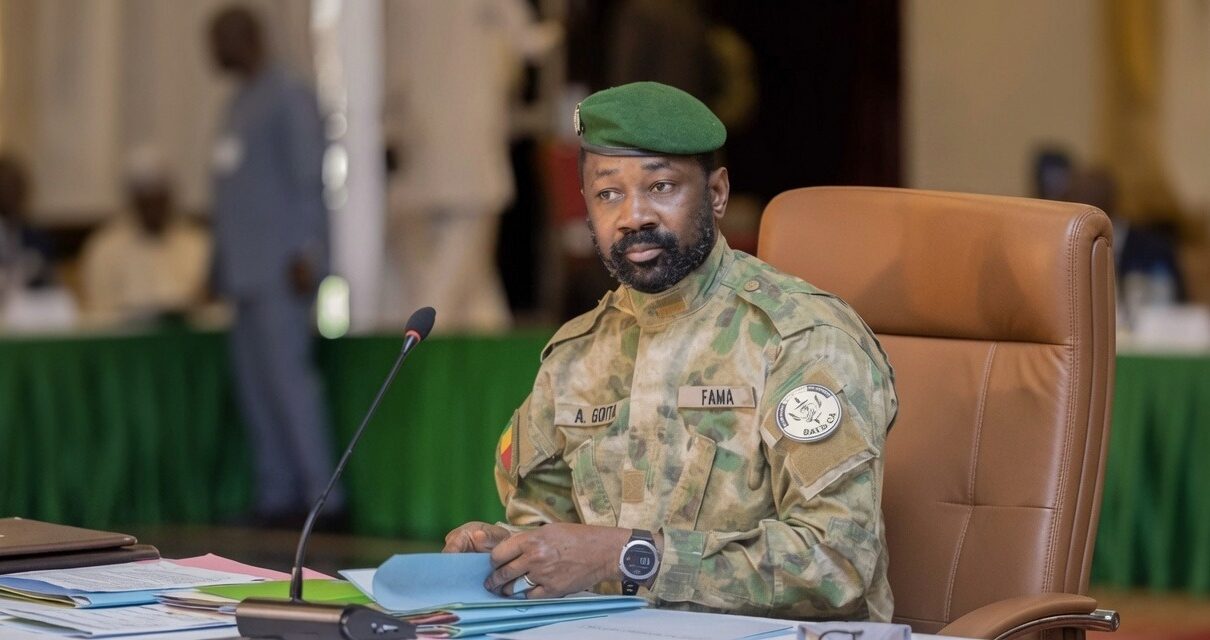
The Malian government has secured an emergency loan of 8 billion CFA francs from the West African Development Bank (BOAD) to import roughly 20 million litres of fuel, a move that has sparked widespread debate about the country’s deepening energy troubles. The funding, confirmed by the sub-regional lender, is meant to ease a crippling shortage of petroleum products that has left households and businesses reeling. But the announcement has also raised questions about what happens next: will this short-term fix be enough, or is Mali sliding further into dependence on external financing?
Why Bamako turned to BOAD for emergency fuel financing
Months of mounting pressure on Mali’s energy supply chain forced the transition authorities to seek outside help. The national power utility, Énergie du Mali (EDM-SA), has been struggling to pay for the fuel needed to keep its thermal plants running, leading to frequent blackouts that disrupt daily life and economic activity. The BOAD loan is designed to address that cash crunch directly by funding an urgent purchase of diesel and other refined products.
What the 8 billion CFA loan is expected to cover
The emergency envelope has three main objectives, each aimed at different parts of the fuel supply chain:
- Keeping power plants online: The funds will supply diesel to thermal electricity generating units, helping reduce the frequency of outages that have become a daily burden for millions.
- Securing nationwide distribution: Fuel availability at service stations is critical for transporting goods and enabling people to move around, and the loan aims to ensure that supply does not dry up.
- Stabilising the domestic market: By preventing severe stockouts, the financing seeks to protect public services and commercial activity from grinding to a halt.
Reactions: relief mixed with concern over recurring bailouts
News of the loan has drawn mixed reactions. For many consumers and businesses, the imminent arrival of 20 million litres of fuel offers a much-needed breathing space, especially after weeks of unpredictable power cuts. Yet analysts and observers point out that repeatedly borrowing from banks to finance routine fuel consumption highlights a structural weakness in Mali’s energy model. The BOAD, as a stabiliser within the West African Economic and Monetary Union (UEMOA), is playing its part, but the pattern raises uncomfortable questions about the sustainability of relying on credit to keep the lights on.
The road ahead: beyond the immediate fuel boost
While the 8 billion CFA francs provide short-term relief, the bigger challenge remains finding a lasting solution to the energy sector’s financial crisis. The transition government in Bamako faces mounting pressure to reform how fuel is procured and paid for, diversify supply sources, and reduce the recurrent need for emergency loans. Without deeper structural changes, the cycle of shortages and bailouts is likely to persist, leaving Malians to wonder whether this latest intervention is a turning point or just another temporary patch.