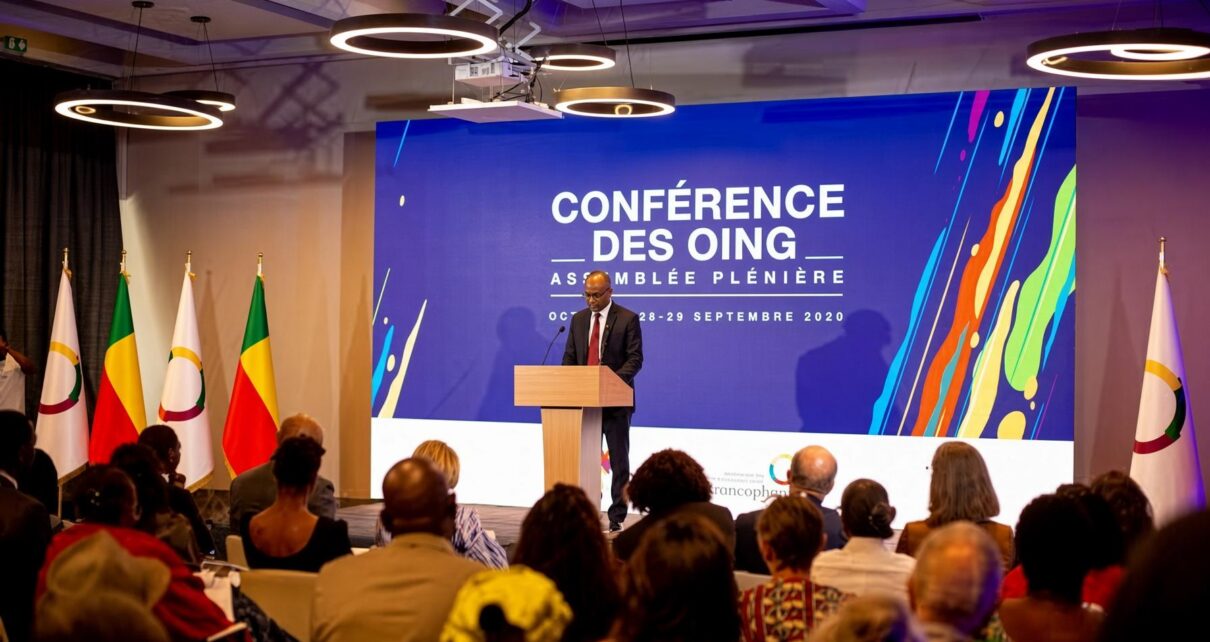
The 16th Ordinary Plenary Assembly of the Conference of International Non-Governmental Organisations (COING) of La Francophonie wrapped up in Cotonou after two days of intense debate, leaving participants with a pointed question: will decision-makers in the francophone world heed the call from civil society? The gathering, which opened on 28 September 2026, was designed to shape civil society’s input ahead of the 20th Francophonie Summit set for 15-16 November in Cambodia, and to define a 2026-2028 roadmap. But as the sessions closed, the mood was one of cautious determination mixed with impatience.
Peace as more than a slogan: the debate that dominated Cotonou
Under the theme ‘Reinvesting in peace: mobilising francophone civil society for shared prosperity, resilient territories and lasting stability’, delegates pushed back hard against the idea that peace simply means the absence of war. In their view, genuine peace demands social justice, access to basic services, mediation, human rights defence and the capacity to withstand economic and security shocks. That broad interpretation became the rallying cry of the assembly, with speakers repeatedly stressing that without these foundations, any talk of stability rings hollow.
A louder role for citizens: from consultation to decision-making
One of the most forceful messages to emerge from the Cotonou talks was the call for a tighter partnership between states, parliamentarians and NGOs. Civil society organisations, which operate closest to the ground, insisted they should be far more involved in the decision-making processes of the International Organisation of La Francophonie (OIF). Their argument: local recommendations must be transformed into concrete public policies, not left to gather dust in conference reports. Several participants warned that ignoring this demand risks widening the gap between institutions and the people they claim to serve.
What the 2026-2028 roadmap actually contains
The Cotonou assembly set out to build a COING that works more effectively. Its priorities for the coming two years focus on three areas:
- Strengthening networks: structuring synergies among francophone NGOs so that efforts are coordinated rather than duplicated.
- Mobilising resources: developing strategic financial and technical partnerships to fund civil society action.
- Tracking impact: measuring in concrete terms what actions actually deliver within communities, rather than relying on anecdotal evidence.
The road to Cambodia: pressure builds on francophone leaders
By hosting this session, Benin reinforced its role as a key player in francophone dialogue. Yet the real test lies ahead. With the Cambodia summit just weeks away, the civil society coalition assembled in Cotonou has issued a clear challenge to governments and institutions: the future of La Francophonie cannot be built without the active involvement of citizens and their representatives. Whether that message translates into real influence or fades into the diplomatic routine will depend on what happens next.