The gold sector in Burkina Faso is undergoing a profound transformation under the current transitional government’s strategy to reclaim control over its mineral wealth. With the establishment of the National Precious Substances Company (SONASP) in 2023 and the inauguration of key local infrastructure projects—including the national gold refinery in Ouagadougou—the administration is pushing to secure the entire value chain of this precious metal, aiming to bolster economic independence.
Yet, behind the rhetoric of autonomy and the impressive figures from the first half of the year—where dozens of tons of gold were officially recorded—lies a complex web of structural paradoxes and escalating geopolitical tensions. The drive for self-sufficiency is colliding with harsh realities on the ground.
Breaking free or forging new chains? The paradox of international partnerships
The government’s mining policy hinges on reshaping its international alliances. By granting mining permits to foreign firms—particularly Russian companies like Nordgold—Ouagadougou seeks to diversify its mining actors. But this pivot raises critical questions:
- New dependencies, old vulnerabilities: Replacing traditional partners with entities tied to specific geopolitical blocs could expose Burkina Faso to fresh strategic risks, undermining its long-term economic resilience.
- Transparency and local impact: The real test lies in whether institutions like the BUMIGEB and SONASP can enforce strict traceability and ensure that mining revenues directly benefit local communities—especially as security challenges disrupt both artisanal and industrial mining operations.
The controversy over national gold reserves: A warning signal
Rumors about plans to ship or store part of Burkina Faso’s gold reserves in the Russian Federation ignited a fierce debate. While officials swiftly dismissed these claims as misinformation, the episode exposed the fragility of managing a sovereign asset in a volatile geopolitical landscape. The risks are multifold:
- Financial and legal instability: Depositing national reserves with a country under international sanctions limits access to global financial systems and weakens the legal protections for Burkina Faso’s assets.
- Undermined sovereignty: Gold serves as a financial safeguard for nations. Entrusting it to a foreign entity—particularly one embroiled in geopolitical conflicts—contradicts the stated goal of achieving total economic sovereignty.
Local processing: A step forward with lingering challenges
The launch of a domestic gold refinery marks a symbolic leap toward self-reliance. Yet, significant hurdles remain:
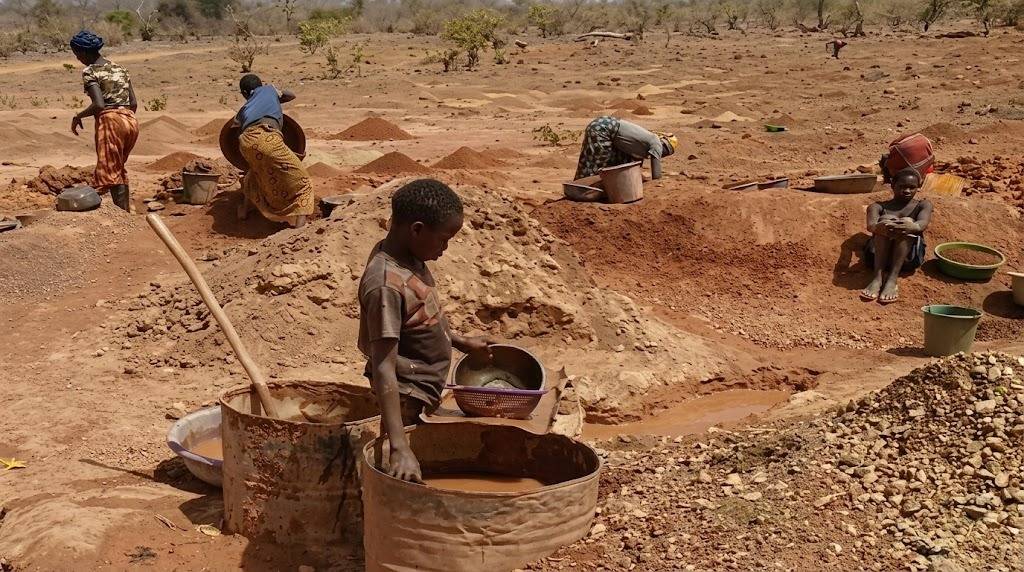
- Supply chain integrity: Ensuring a steady flow of raw gold to the refinery demands cracking down on fraud in artisanal mining zones, many of which are plagued by insecurity.
- Equitable benefits for communities: Beyond boosting state revenues, the mining sector must foster sustainable job creation and local infrastructure development to justify its social license.
The government’s push to recalibrate the distribution of mining profits in favor of the state is understandable given the nation’s economic priorities. However, to make this sovereignty durable, Burkina Faso would be wise to prioritize three pillars: uncompromising institutional transparency, securing its national reserves internally, and investing in domestic infrastructure—rather than exposing its gold to the whims of external geopolitical maneuvers.