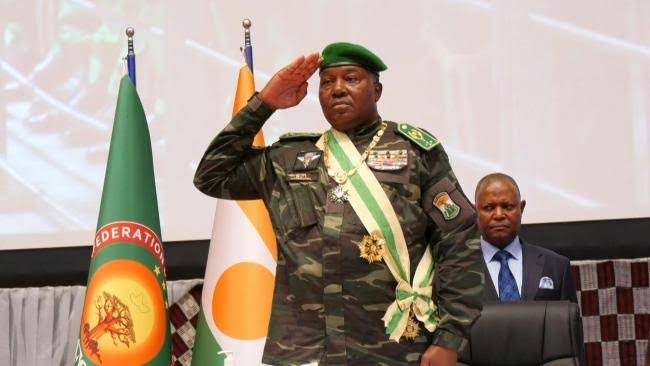
The decree signed on 15 September 2026 by General Abdourahamane Tiani fooled no one. Far from being a routine administrative update, this first major cabinet reshuffle is above all a political survival maneuver. With the National Council for the Safeguard of the Homeland (CNSP) exposed on multiple fronts, the move aims to tighten internal ranks, reward allegiance, and lock down power amid rising public discontent.
Political panic in the wake of military unrest
This government overhaul was no coincidence—it directly follows last August’s mutiny at Niamey’s Air Base 101, which sent shockwaves through the regime. After swiftly purging and restructuring key military command and the presidential guard, Tiani’s administration turned its attention to shoring up political control.
The appointment of Colonel Bilaly Elhadj Gambobo as Minister of Agriculture and Livestock isn’t about improving food security—it’s about inserting another loyal soldier into a strategic economic sector while sidelining officers deemed unreliable. The result? Total military dominance over national resources, with civilian oversight and transparency sacrificed entirely.
Rewarding rhetoric over results
The inclusion of Abdourahamane Oumarou, leader of the UNPP party and a vocal figure in Niger’s sovereigntist movement, epitomizes this shift. He wasn’t chosen for managerial expertise but for his loud, unwavering support since the July 2023 coup. His reward: the Ministry of Youth and Refoundation.
While Niger’s youth grapple with soaring unemployment and hopelessness, the CNSP hands ministerial posts to its loudest cheerleaders. The motive is clear—and cynical: buy silence from activist networks and deploy street-level influencers to drown out criticism online and offline.
Technocrats as human shields
To lend credibility to this patronage scheme, the junta sprinkled in a few academic figures—Professor Mahamadou Saidou at Higher Education and Oumarou Maman at Humanitarian Action. But these appointments are little more than window dressing.
How can Professor Saidou stabilize universities without funding? How can Maman assist war-displaced citizens when state coffers are empty and international aid has been suspended? These so-called experts aren’t problem-solvers—they’re placeholders, ready to absorb blame when economic collapse accelerates under the weight of mismanagement and neglect.
A reshuffle that worsens everyday struggles
This cabinet change offers no vision for Niger’s future. Instead, it reflects a desperate regime doubling down on loyalty over competence, prioritizing insider rewards over tackling inflation, economic stagnation, and public frustration. Swapping faces around the decision-making table won’t mask a system crumbling under its own contradictions—and ordinary citizens are paying the price.