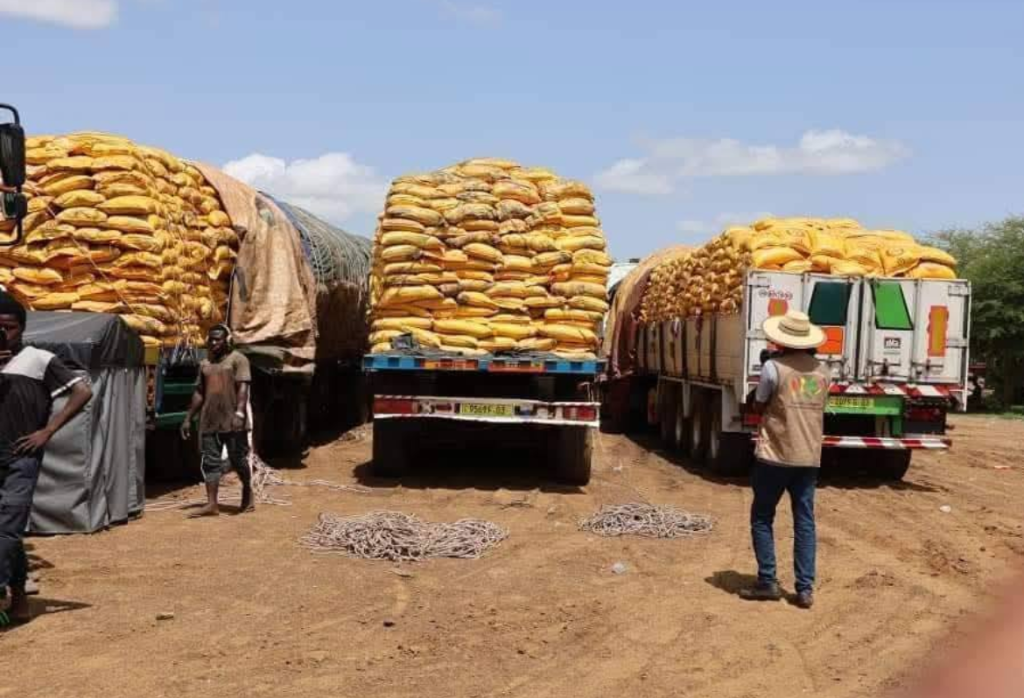
The Burkina Faso of Captain Ibrahim Traoré faces a stark paradox: while its leader champions self-sufficiency through fiery speeches, the nation survives on imported rice from Pakistan, China and Canada to stave off a worsening food crisis.
This dependence on foreign aid starkly contradicts the junta’s promises of restored sovereignty, made over three years ago when the Patriotic Movement for Safeguarding and Restoration (MPSR) seized power. Despite bold claims of “recovered sovereignty,” more than 3.5 million Burkinabè now depend on international charity to put food on the table each day.
The gap between rhetoric and reality in food security
The latest shipment of 2,422 tons of rice from Pakistan is just the latest in a growing list of humanitarian deliveries. While the military government celebrates these “friendships,” each donation serves as a quiet admission of failure—undermining Traoré’s pledge to make local agriculture the cornerstone of his leadership.
The situation is dire:
- The nation’s food production has collapsed, leaving it trapped in a cycle of dependence on distant donors in Asia and the West.
- This imported rice is primarily sent to northern and eastern regions, areas still ravaged by insecurity and cut off from normal trade routes.
Insecurity: the military’s blind spot in food sovereignty
Despite government narratives blaming climate change, analysts increasingly point to the junta’s own policies as the root cause of Burkina Faso’s agricultural collapse. A militarized approach and the blockade of rural communities by armed groups have crippled farming activities.
Over 2 million internally displaced persons now wander the country, turning once-fertile farmlands into wastelands. The Integrated Food Security Phase Classification (IPC) warns that parts of the country are on the brink of Phase 4 (humanitarian emergency). The toll is especially heavy on children, with over 600,000 facing acute malnutrition by year’s end.
Transparency and trust: the missing pieces in aid delivery
Even the distribution of aid raises concerns. While the Pakistani rice shipment is managed by the Ministry of Humanitarian Action, international partners question the transparency of these processes. The militarization of crisis response and ongoing tensions with aid organizations have eroded trust, leaving the 2026 Humanitarian Response Plan only 18% funded—a clear sign of donor skepticism toward Ouagadougou’s leadership.
As the rainy season approaches, the imported rice offers only fleeting relief to a population pushed to its limits. For Ibrahim Traoré, the reckoning is near: sovereignty cannot be declared on national television; it must be built in fields his administration has failed to secure. Without a shift from war rhetoric to tangible rural recovery, a lasting solution remains out of reach.