When discussing Patrice Talon’s legacy, one achievement towers above the rest: roads. Over the past decade, Benin’s president has reshaped the nation from the ground up, turning dusty tracks into smooth asphalt and pothole-ridden paths into modern thoroughfares. From the bustling streets of Cotonou to the most remote villages, his administration has placed progress literally under the feet of every Beninese citizen.
With just weeks remaining in office, it’s impossible to reflect on his tenure without acknowledging this monumental infrastructure push. The road network now stands as the shining emblem of his time in power—an emblem that commands attention and admiration.
From crumbling paths to thriving corridors
In 2016, Patrice Talon inherited a country where roads were more obstacle than opportunity. Potholes swallowed tires, dust choked communities, and isolation stifled growth. His administration quickly recognized a simple truth: mobility fuels prosperity. Without reliable transport, commerce stagnates, healthcare remains out of reach, and education becomes a distant dream.
Talon’s vision was clear: break the cycle of neglect. He set out to link farmlands to markets, bridge urban divides, and invite investment through efficient, well-maintained infrastructure. A decade later, those goals have not only been met—they’ve been surpassed. The evidence speaks volumes.
A decade of relentless road construction
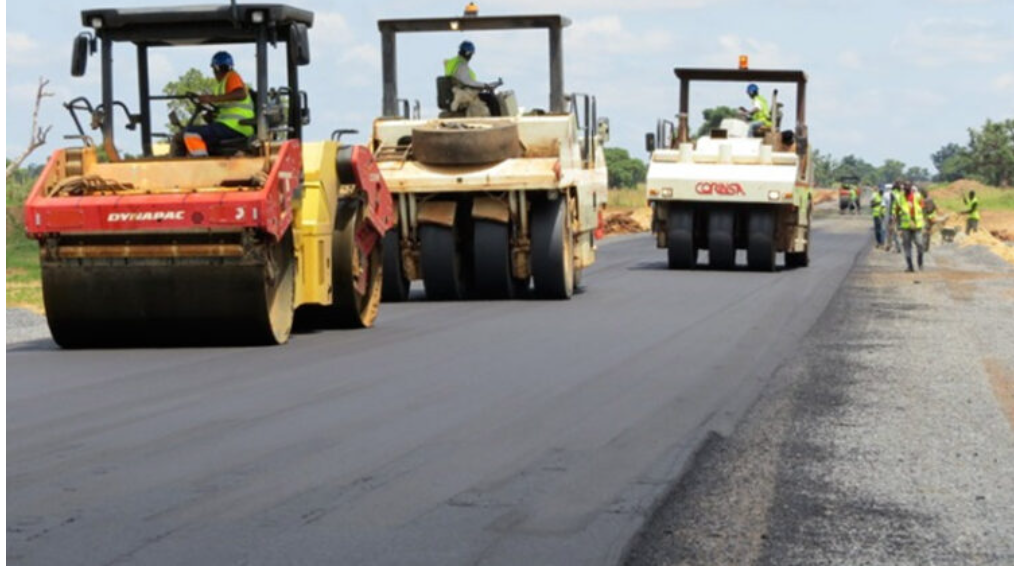
Benin has never witnessed such a construction boom. Official records confirm a staggering 2,000+ kilometers of asphalted roads, with another 1,100 kilometers currently under construction. These aren’t just numbers—they represent real change for real people. Families no longer choke on dust during dry spells. Farmers transport goods without fear of vehicle damage. Children arrive at school safely, rain or shine. Once-isolated towns now pulse with life, connected to the wider world.
Urban renewal through asphalt
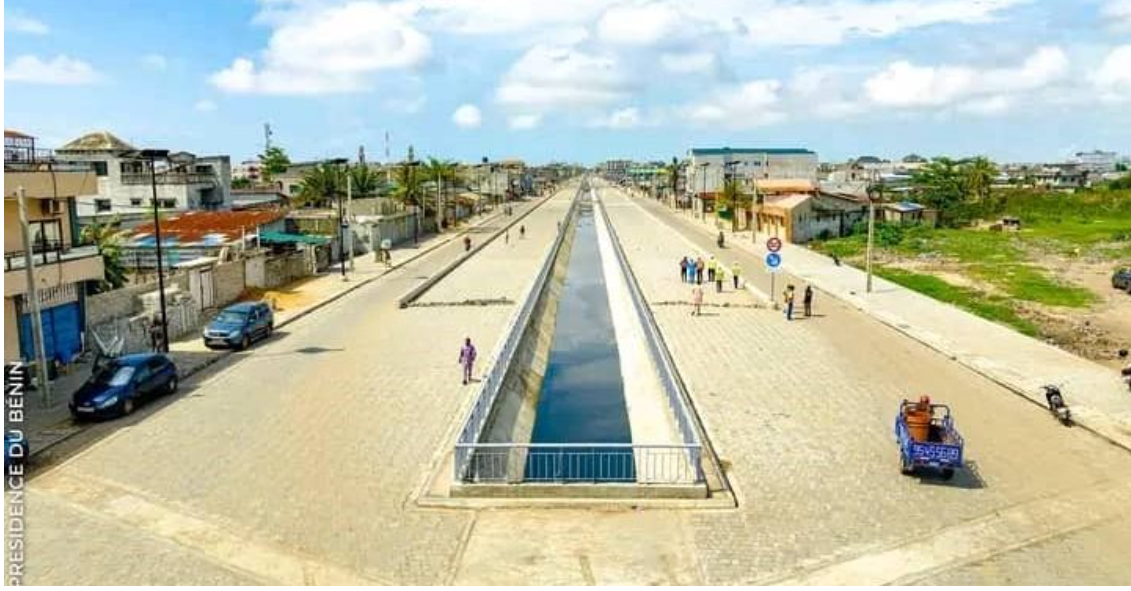
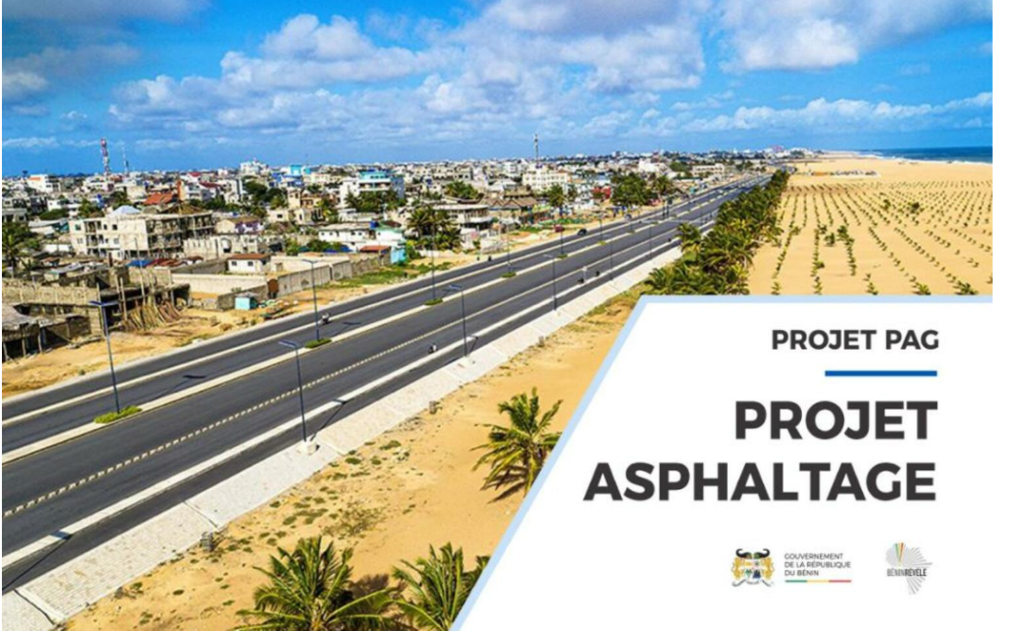
The Asphaltage program stands as the crown jewel of this transformation. From Cotonou, the economic heartbeat of the nation, to Porto-Novo, the political capital, and beyond—Parakou, Abomey-Calavi, Djougou, Kandi, Ouidah—no major city was left untouched. Decaying neighborhoods regained their dignity. Once-neglected districts flourished. The program didn’t just pave streets—it redefined urban living.
Today, strolling through Cotonou is a revelation. Gone are the potholes that once swallowed cars whole. Gone are the muddy traps that ensnared pedestrians in the rainy season. Gone are the choking dust clouds that plagued residents during dry months. The city is alive with possibility. Commuting to work is no longer a battle. Markets thrive without fear of flooding. Emergency services respond faster. Life moves at the speed of progress.
Connecting beyond borders
Patrice Talon didn’t limit his ambitions to Benin’s borders. He pursued cross-border connectivity with visionary projects like the Cotonou-Niamey highway, a vital link between Benin and Niger. The rehabilitation of this route has unleashed a surge in regional trade. Trucks laden with goods now flow seamlessly day and night. The famed Pêches Road also underwent a massive overhaul, with new bridges, widened lanes, and reduced travel times that defy belief. What once took hours now takes minutes. Benin has evolved into a regional crossroads, a hub of movement and opportunity.
A cultural shift in national pride
The most profound impact? The change in mindset. Beninese citizens no longer ask when their roads will be fixed. They ask which town will be next. This shift reflects more than infrastructure—it signals a renaissance. Neighborhoods proudly showcase their newly paved streets. Visitors marvel at the transformation. Foreign investors no longer hesitate—they see a nation on the rise, a country building its future one kilometer at a time.
Patrice Talon has redefined what leadership looks like. In ten years, he has laid more asphalt than all previous presidents combined. He has gifted Benin a network of roads that are more than just pathways—they are lifelines. Isolated villages have emerged from obscurity. Markets have sprouted along new routes. Farmlands have become accessible. Local economies have flourished.
Today, Benin enjoys admiration far beyond its borders. International partners commend its progress. Financial institutions celebrate its growth. This acclaim isn’t accidental—it’s the result of relentless effort and unwavering commitment. Under Talon, asphalt ceased to be mere pavement. It became a symbol of progress. A symbol of restored dignity. A symbol of a nation marching forward with pride.
This is an inheritance that cannot be erased. A legacy etched not just into the earth, but into the hearts of a people who dared to dream bigger.