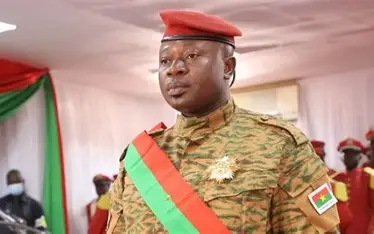
The legal noose around Burkina Faso’s former transitional leader, Paul-Henri Sandaogo Damiba, is tightening. Once in charge of the nation, Damiba now faces severe terrorism-related charges that threaten to deepen an already volatile political and diplomatic crisis gripping the Sahel state.
On Friday, November 13, 2026, prosecutors in Ouagadougou revealed that Damiba’s case had entered the formal investigation stage. The charges include allegations of complicity in forming terrorist groups, illegal firearms possession with terrorist intent, and financing terrorism accusations that carry immense legal and moral weight, though guilt has yet to be established under the presumption of innocence.
But the ramifications extend far beyond the courtroom. Damiba’s extradition from Lomé handed over in January 2026 after a delicate diplomatic exchange is now under scrutiny. His refuge in Togo followed his 2022 ouster by Ibrahim Traoré, marking a tense transition of power that continues to shape Burkina Faso’s fragile stability.
The fragile assurances of Lomé’s extradition deal
The extradition was not a straightforward transfer. In a January 19, 2026 statement, the Togolese government highlighted guarantees secured before handing Damiba over. It emphasized his physical safety, respect for judicial rights, and the promise of a fair trial. Most critically, Ouagadougou had pledged not to impose the death penalty, a reassurance that made the extradition politically and legally palatable for Lomé.
Yet this assurance now faces severe strain. In October 2026, Burkina Faso reinstated the death penalty specifically for terrorism-related offenses. Since Damiba’s charges involve alleged support for terrorist networks, the legal framework now puts the original promise in direct jeopardy. While no verdict has been reached, the shift raises urgent questions: Can a justice system bound by promises of leniency now pivot toward severity without undermining its credibility?
From Ouagadougou to Lomé: a partnership tested by political change
The relationship between Burkina Faso and Togo has long been a cornerstone of regional diplomacy. When Faure Gnassingbé agreed to extradite Damiba, he relied on written commitments from Ouagadougou. But political power in Burkina Faso has shifted dramatically since then from Damiba’s short-lived presidency to Traoré’s military leadership.
This instability complicates judicial independence. Critics warn that the charges against Damiba may reflect political score-settling rather than genuine counterterrorism efforts. Damiba must be allowed to mount a defense without intimidation, with access to counsel and a trial untainted by executive influence.
Faure Gnassingbé’s government, too, faces a reckoning. Once the guarantor of Damiba’s safe judicial passage, Lomé now holds Burkina Faso accountable for upholding its pledges. Will Togo demand clarifications publicly or through back channels? Failure to do so risks eroding trust in inter-African judicial cooperation, a system already fragile amid shifting borders and contested regimes.
What’s at stake beyond the courtroom
This case is not just about one man’s fate. It is about the integrity of cross-border justice in West Africa. When a country reinstates capital punishment retroactively even for terrorism it tests the foundations of extradition treaties built on mutual trust.
If Burkina Faso abandons its earlier promises, future extradition requests from Lomé or other partners may face greater scrutiny. Foreign ministers will hesitate before bargaining for assurances that could evaporate under domestic law changes. The fight against terror must not become an excuse to override due process or to weaponize justice against former rivals.
The trial of Paul-Henri Sandaogo Damiba is therefore a bellwether. It will reveal whether Burkina Faso’s legal system can maintain independence amid political upheaval. And it will show whether Togo’s faith in regional cooperation was justified or whether it was a gamble with no safety net.
Can guarantees survive political reversals?
As Damiba’s legal ordeal unfolds, two realities collide: the need for accountability and the need for consistency. Terrorism is a grave threat, but so is the risk of justice being bent to serve power.
For Damiba, the path forward hinges on transparent proceedings and strict adherence to the rights he was promised. For Burkina Faso, it demands that it honor its word, even when convenient. And for Togo once the trusted mediator it means demanding answers before silence becomes complicity.
In a region where coups and crises redefine nations overnight, this trial is more than legal. It is a test of whether justice in Africa can outlast political storms or whether it will always be the first casualty of them.
By Martin Ngu — Journalist