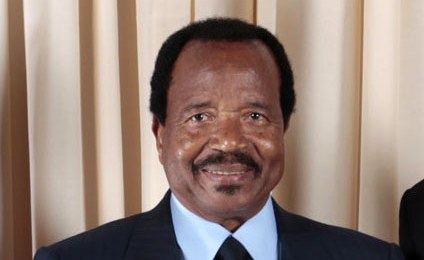
After six years of paralysis, does a presidential decree alone revive Cameroon’s key judicial body?
The Council Superior de la Magistrature (CSM), Cameroon’s constitutional body overseeing judges’ careers and independence, has been dormant for nearly six years. On June 2, 2026, President Paul Biya signed a decree renewing its members—but the move may not immediately unblock the hundreds of stalled cases.
Six years without a single meeting, decision, or session.
What the CSM does—and why its inactivity matters
The CSM is constitutionally mandated to handle judicial appointments, promotions, disciplinary actions, and career advancements. Yet since 2020, its operations have ground to a halt. Magistrates have waited years for promotions, disciplinary cases remain unresolved, and new judges’ integrations have been delayed.
The June 2026 decree partially renews the council, reconducting ten of its fourteen titular members. Key changes include replacing Ali Mamouda with Goni Mariam among titulars and bringing in four new alternate members: Alioum Fadil, Donald Malomba Esembe, Sockeng Roger, and Sali Dairou. The shake-up is minimal, signaling continuity rather than reform.
A chronology of stagnation
- 2020: Last notable CSM activities occur before pandemic-era disruptions.
- 2021-2024: Dozens of cases pile up—career advancements, disciplinary proceedings, and new judge integrations stall.
- 2025: Council member mandates expire without renewal, leaving the body in legal limbo.
- June 2, 2026: Biya’s decree renews members, but concrete action on backlogged cases remains pending.
The decree’s gaps: What’s missing?
The presidential order officially reactivates the CSM on paper, but critical details are absent:
- No announced date for the next council session.
- No plan to address the six-year backlog of cases.
- No mechanisms to prevent future paralysis.
Judicial observers argue that the problem extends beyond expired mandates—it reflects a deeper issue: an institution paralyzed by executive dependency. When a body chaired by the president fails to convene, it’s not a technical glitch but a policy choice with long-term consequences for Cameroon’s justice system.
What comes next for Cameroon’s judiciary?
The June decree marks progress, but the true test will be action—not announcements. Magistrates, litigants, and legal analysts are waiting for tangible outcomes:
- Resumption of regular CSM sessions.
- Review of backlogged promotions and disciplinary cases.
- Clear protocols to ensure the council’s operational independence.
The CSM’s revival isn’t complete until it fulfills its constitutional duty: safeguarding judicial independence through consistent, transparent governance.