West african cocoa leaders strengthen sustainable farming pact
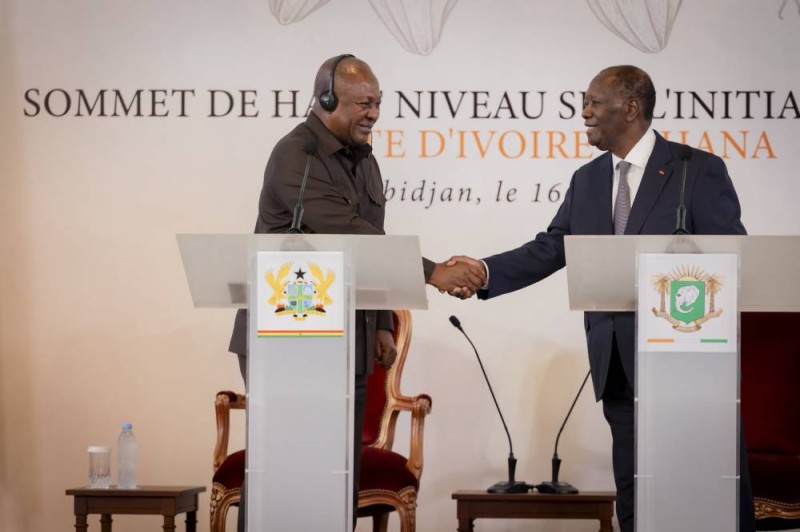
Abidjan, Côte d’Ivoire — Presidents Alassane Ouattara of Côte d’Ivoire and John Dramani Mahama of Ghana have jointly led a landmark summit on sustainable cocoa production, reaffirming their commitment to reshaping Africa’s cocoa industry. The high-level gathering, held at the Presidential Palace in Abidjan-Plateau, marked a pivotal moment for both nations as they unveiled decisive measures to enhance fairness, resilience and long-term viability across the cocoa value chain.
The summit focused on structural reforms designed to uplift cocoa farmers, strengthen local economies and expand the initiative to include additional African cocoa-producing nations. Key priorities include aligning farm-gate pricing policies, boosting value addition through local processing, and promoting sustainable agricultural practices.
Protecting farmers and securing Africa’s cocoa future
Côte d’Ivoire and Ghana, which together produce over 60% of the world’s cocoa and account for 80% of Africa’s output, emphasized the vital role of smallholder farmers in sustaining the global chocolate industry. President Ouattara underscored that these producers are the backbone of the sector, stating: « The cocoa farmer is the heart of this industry. It is their daily labor that feeds the global chocolate supply chain. They deserve fair compensation, dignified livelihoods and a sustainable future. »
The leaders highlighted the progress made since the historic Abidjan Declaration of March 26, 2018, which introduced a living income differential to improve farm-gate prices. This coordinated action has already begun to stabilize cocoa markets and improve incomes for thousands of rural households.
Confronting challenges in the cocoa sector
Despite progress, significant challenges remain. Price volatility, the impact of climate change, aging cocoa trees, illegal gold mining encroachment on farmland, and evolving international sustainability standards—especially in Europe—pose ongoing threats. Both presidents acknowledged the need for urgent, coordinated action to modernize production systems and safeguard the sector’s future.
President Mahama reaffirmed Ghana’s commitment to deepen cooperation with Côte d’Ivoire, declaring: « Our shared goal is to empower cocoa farmers with the tools, financing and market access they need to thrive. By working together, we can lead the continent toward a more equitable and sustainable cocoa economy. »
The leaders also called for broader continental collaboration, urging other African cocoa-producing countries to join the initiative and help shape a unified, competitive and sustainable cocoa industry across Africa.
The summit concluded with a renewed pledge to prioritize farmer welfare, accelerate value addition within both countries, and advocate for stronger international sustainability frameworks. It also signaled a strategic shift toward regional cooperation, positioning West Africa as a unified leader in sustainable cocoa production and global market influence.