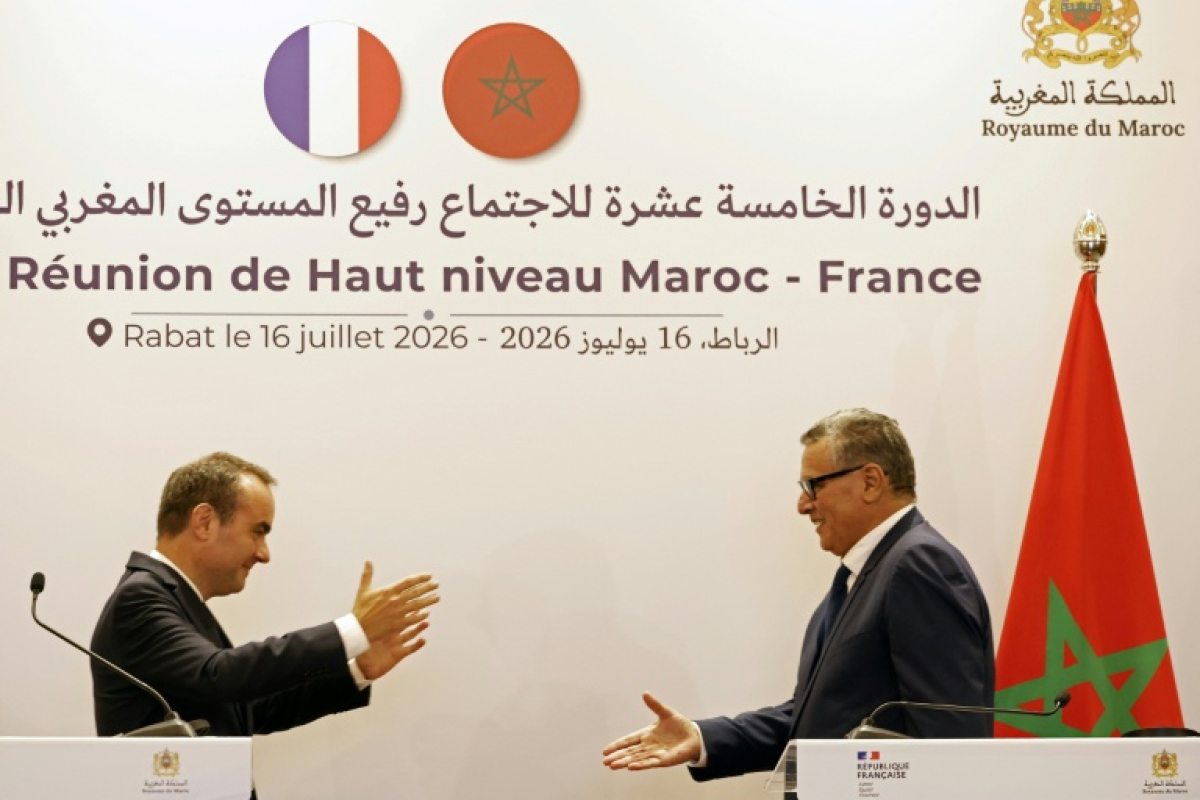
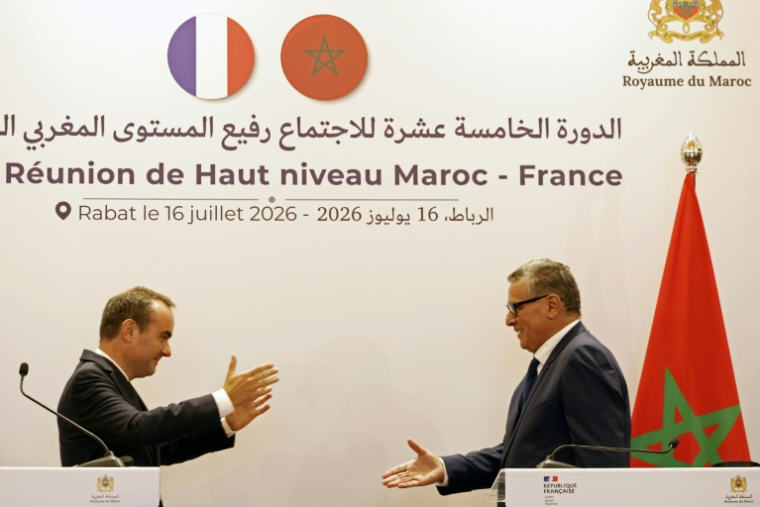
French Prime Minister Sébastien Lecornu (left) and Morocco’s Prime Minister Aziz Akhannouch at a press conference in Rabat
French Prime Minister Sébastien Lecornu concluded a landmark visit to Rabat on Thursday, declaring a “renewed confidence” between Paris and Rabat, just days after a new round of bilateral talks aimed at deepening strategic ties.
The meeting marked a significant thaw in relations, following President Emmanuel Macron‘s historic 2024 recognition of Morocco’s sovereignty over Western Sahara—a move that unsettled Alger and set the stage for today’s evolving partnership.
Macron received a royal welcome in Rabat later that year, ending a three-year diplomatic freeze fueled by espionage allegations and visa restrictions. The visit culminated in a flurry of agreements and the launch of an “exceptional enhanced partnership,” laying the groundwork for today’s high-level engagements.
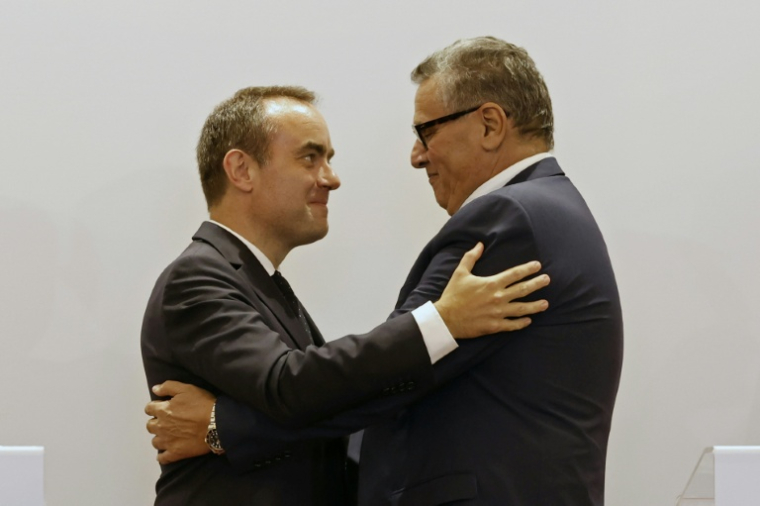
French Prime Minister Sébastien Lecornu (left) and Morocco’s Prime Minister Aziz Akhannouch embrace after a joint press statement
A shadow lingered over the otherwise positive exchanges: fresh reports from an international media consortium alleged Morocco’s extensive use of the Pegasus spyware, prompting denials from Rabat. The joint press conference was reduced to a brief statement without Q&A, as both sides opted to sidestep the controversy.
Unprecedented partnership framework
French officials dismissed the allegations as outdated, emphasizing progress in bilateral cooperation. “Our goal is to strengthen the framework of cooperation and trust with Morocco,” a source close to the Élysée stated.
King Mohammed VI echoed this sentiment in a message to Macron on Bastille Day, hailing the “consolidation of privileged relations” between the two nations. The partnership may soon take a historic step: a landmark treaty—the first of its kind outside the EU—expected to be signed during a future royal visit to Paris, though no date has been set.
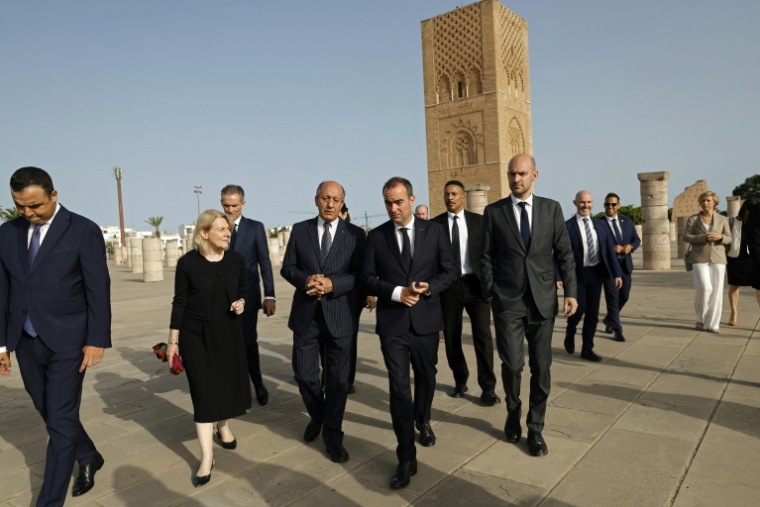
The high-profile delegation included twelve French ministers, notably Jean-Noël Barrot (Foreign Affairs) and Laurent Nuñez (Interior), underscoring the breadth of the agenda.
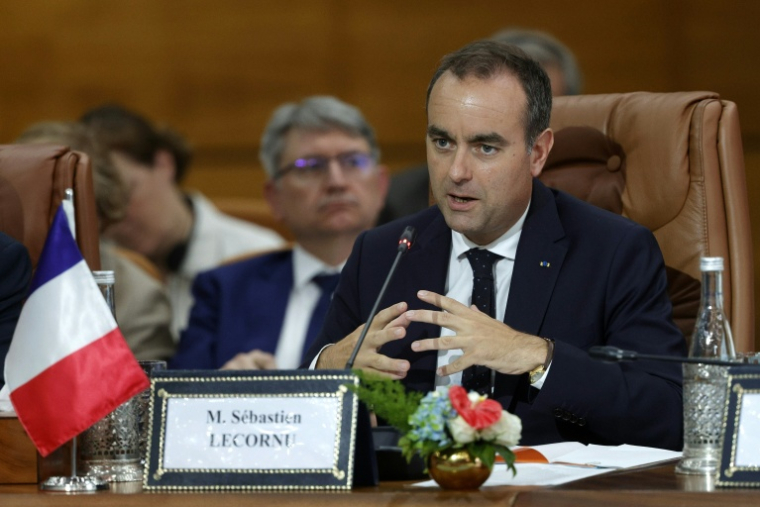
French Prime Minister Sébastien Lecornu delivers opening remarks during a plenary session with Moroccan ministers
Lecornu described the meetings as a “turning point,” calling for a “scaled-up” relationship focusing on security and counterterrorism cooperation. He also announced plans to ease visa policies for Moroccan entrepreneurs and students, addressing past tensions over travel restrictions.
Joint counterterrorism and African focus
“Exceptional operational successes” in dismantling organized crime and drug trafficking networks were highlighted, with both sides praising the seamless intelligence-sharing mechanisms between their agencies.
The leaders underscored the centrality of Africa in their strategic vision, particularly in combating the Sahel jihadist threat. “We share a mutual interest in expanding our joint presence on the continent,” Lecornu noted.
Aziz Akhannouch framed the partnership as a “shared strategic vision,” built on renewed political trust and collective ambition. Morocco has emerged as France’s top diplomatic priority in the Maghreb, with Paris no longer prioritizing a balanced approach with Alger.
French Prime Minister Sébastien Lecornu and his delegation attend a plenary session with Moroccan officials
On the Sahel security front, France is increasingly leaning on Morocco for intelligence and operational support, as Algeria’s engagement remains constrained despite recent diplomatic rapprochement.
A dozen agreements were finalized, including a call for interest in cross-border electricity interconnections and financing deals with the French Development Agency for water projects and Rabat’s new regional express rail network.