The Cameroonian government has issued a decisive ruling in favor of Prometal, the leading steel processing conglomerate in Cameroon and Central Africa. The group now holds authorization to secure 90 megawatts of power capacity directly from Electricity Development Corporation (EDC), the state-owned entity responsible for the electricity sector’s infrastructure. Finalization of the necessary agreements is set to occur following a series of consultations scheduled from June 8 to 12, 2026, at the Prime Minister’s offices in Yaoundé. A roadmap outlining these discussions was detailed in a correspondence dated June 1, 2026, signed by Secretary-General Séraphin Magloire Fouda and addressed to Gaston Eloundou Essomba, the Minister of Water and Energy.
prometal becomes second industrial giant to tap Cameroon’s dams directly
Key discussions will focus on the specific tariff granted to Prometal since February 2025, alongside the definitive drafting of contractual documents. This arrangement is structured by two principal agreements: a supply contract between EDC and the steel manufacturer, and a compensation contract between EDC and Société camerounaise d’électricité (Socadel), the successor entity to Eneo. Once these documents are formally signed, Prometal will become only the second enterprise in the nation to draw its electricity directly from the source, following in the footsteps of Compagnie camerounaise de l’Aluminium (Alucam).
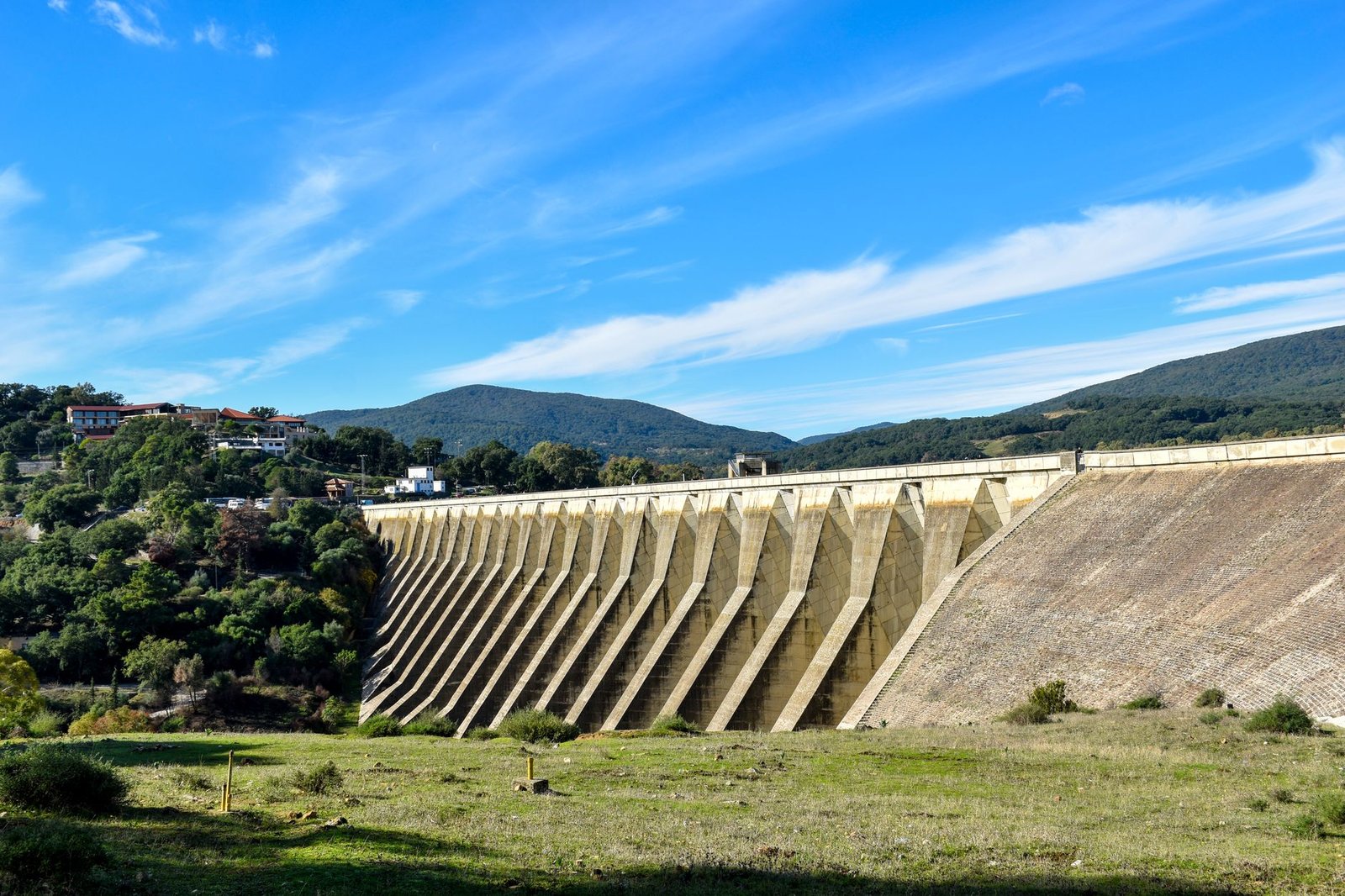
Alucam’s historical precedent significantly influences this new framework. Long recognized as Cameroon’s largest electricity consumer, with needs that previously accounted for up to 40% of national production, the aluminum giant maintains a direct connection to the Edéa dam. This vital infrastructure, along with the Songloulou dam, is now managed under Socadel’s portfolio. Prometal, on the other hand, will receive its power from facilities overseen by EDC, specifically the Lom Pangar dam, which includes its 30 MW powerhouse, and Memve’élé, capable of peak production reaching 211 MW.
energy demand triples for prometal in three years
This transition to a direct power supply aligns perfectly with the steel processor’s ambitious industrial trajectory. With five operational facilities situated within the Douala-Bassa industrial zone—Prometal 1, 2, and 3, Profab, and Progaz—the group’s energy requirements have surged dramatically. According to internal data, demand escalated from 26 MW in 2024 to 40 MW in 2025. Projections indicate a further increase to 60 MW in 2026, culminating at 90 MW by 2027, coinciding with the commissioning of Proalu, a sixth plant dedicated to producing aluminum sheets and electrical cables.
For an industrial player of Prometal’s scale, ensuring a secure and reliable energy supply, coupled with effective control over kilowatt-hour costs, is paramount for maintaining competitiveness. The traditional electricity network, frequently challenged by structural imbalances across generation, transmission, and distribution, could no longer reliably accommodate this escalating demand without risking disruptions to manufacturing operations. Direct supply from EDC offers a solution, enabling a tariff structure linked to water rights, thereby bypassing the downstream segments of the power system.
edc anticipates new project funding opportunities
While official statements from EDC remain reserved, the significant financial benefits of this arrangement are evident. The company’s economic model relies on billing for water usage rights and reinvesting the resulting revenue into new infrastructure developments. However, payment challenges from Socadel, its long-standing client, have strained this mechanism. The entry of Prometal as a solvent counterparty injects much-needed liquidity into EDC’s finances. An executive within the company highlighted several projects awaiting funding, including the Mbakaou power plant, whose capacity has been expanded to 400 MW, the Memve’élé 2 project, and a 50 MW solar power plant currently under study at the Memve’élé site.
Prometal’s financial footprint within Cameroon’s electricity sector is substantial. Between 2016 and 2025, the group remitted 42 billion FCFA in payments to Eneo (now Socadel) and Société nationale de transport d’électricité (Sonatrel). This represents an annual average of 4.2 billion FCFA injected into the sector. The redirection of these financial flows towards EDC is poised to reconfigure the balances between various operators and accelerate the streamlining of the patrimonial segment.