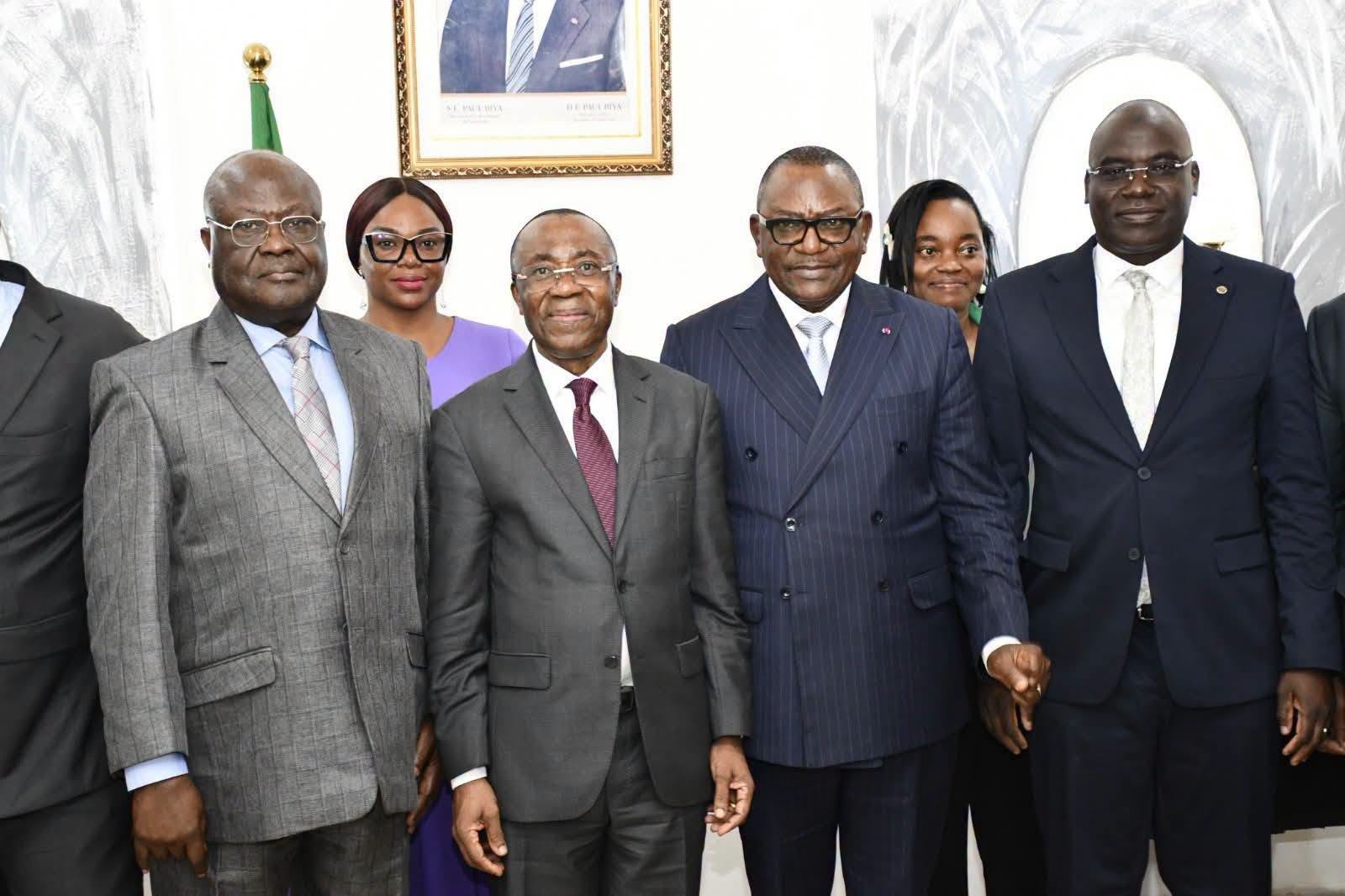
In a significant move to curb illicit gold trafficking, a crucial working session convened on Tuesday, July 14, 2026, at the Ministry of Commerce’s conference hall in Cameroon. This high-level meeting focused on overhauling the nation’s gold sector and enhancing the traceability of gold.
Presiding over the deliberations was Professor Fuh Calistus Gentry, the interim Minister of Mines, Industry, and Technological Development. He was joined by a host of senior administrative officials, including the Director General of Customs, the Director General of Taxes, the Director General of the Treasury, the Director General of SONAMINES, the Permanent Secretary of SNPPK, and other key representatives from the MINMIDT.
Judicial crackdown intensifies
Discussions primarily centered on strategies to reinforce gold traceability, restructure the entire gold value chain, and foster improved coordination among the various government bodies overseeing the sector. Participants expressed optimism that this concerted effort would pave the way for stronger institutional collaboration. The ultimate goals are clear: to significantly increase tax revenue collection, dismantle informal gold networks, and boost state income derived from gold exploitation.
This meeting underscores a broader trend of intensified efforts by Cameroonian authorities to better regulate mineral resource extraction and ensure more transparent governance within the gold sector. The government’s comprehensive judicial and economic offensive aims to sanitize the gold industry, which has been plagued by widespread plundering of its valuable resources.
Massive financial losses revealed
The government’s decisive action comes in the wake of alarming revelations from the Extractive Industries Transparency Initiative (ITIE). Their findings exposed a staggering disparity: while Cameroonian customs officially recorded only 22 kilograms of gold exports, over 15 tons of gold originating from Cameroon were declared upon arrival in the United Arab Emirates. This extensive contraband activity has resulted in an estimated loss of more than 2,000 billion FCFA over a five-year period, including a direct fiscal shortfall of 165 billion FCFA for the state treasury.