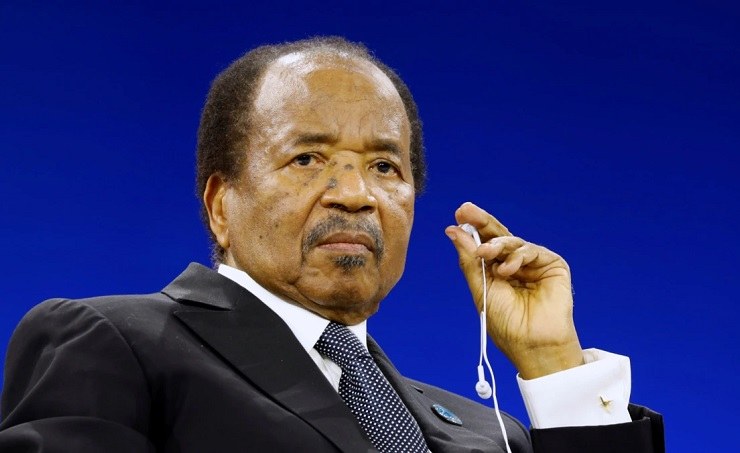
The prolonged absence of President Paul Biya, who has not been seen in public for nearly two months, has intensified debates over his health and the stability of Cameroon’s leadership. At 93 years old, the Head of State, born on February 13, 1933, remains a central figure in the country’s political landscape, and his absence has sparked widespread speculation.
René Emmanuel Sadi, Cameroon’s Minister of Communication and government spokesperson, addressed these concerns by firmly asserting that the President is alive and in control. Speaking on national radio, he dismissed rumors of a power vacuum, emphasizing that the government continues to function normally.
Opposition voices demand transparency
While the government maintains confidence in the President’s leadership, opposition figures are calling for greater clarity. Jean-Michel Nintcheu, a prominent opposition leader, and the Union démocratique du Cameroun (UDC) have urged the Constitutional Council to assess the situation, arguing that prolonged silence and unconfirmed reports risk destabilizing the nation.
The opposition has described the situation as a potential “institutional void,” questioning whether governance from abroad can sustain the country’s stability. They insist on the need for official statements to dispel uncertainty and prevent a perceived governance gap.
Constitutional provisions in case of power vacuum
Cameroon’s Constitution outlines strict procedures in the event of a power vacuum. According to Article 6, paragraph 4, if the President is permanently incapacitated—due to death, resignation, or a definitive impediment—the Constitutional Council must confirm the vacancy, triggering a presidential election within 20 to 120 days.
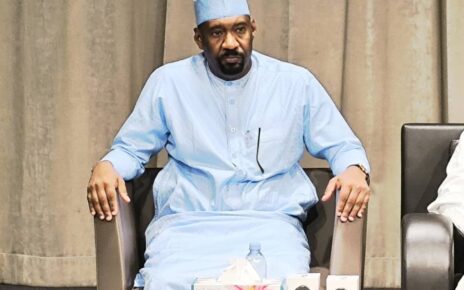
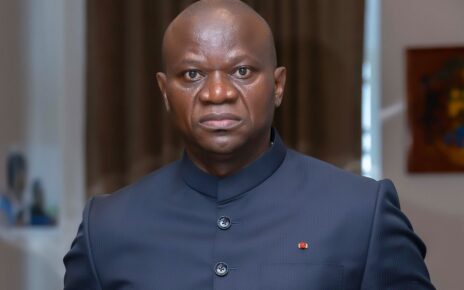
During this transitional period, the Senate President, Aboubakary Abdoulaye (64), would assume interim duties. If he is unable to serve, the first vice-president, Naomie Mikel Bégala épouse Akono (63), would take over. The interim leader is constitutionally barred from altering the Constitution, reshuffling the government, or calling a referendum, and cannot run in the subsequent presidential election.