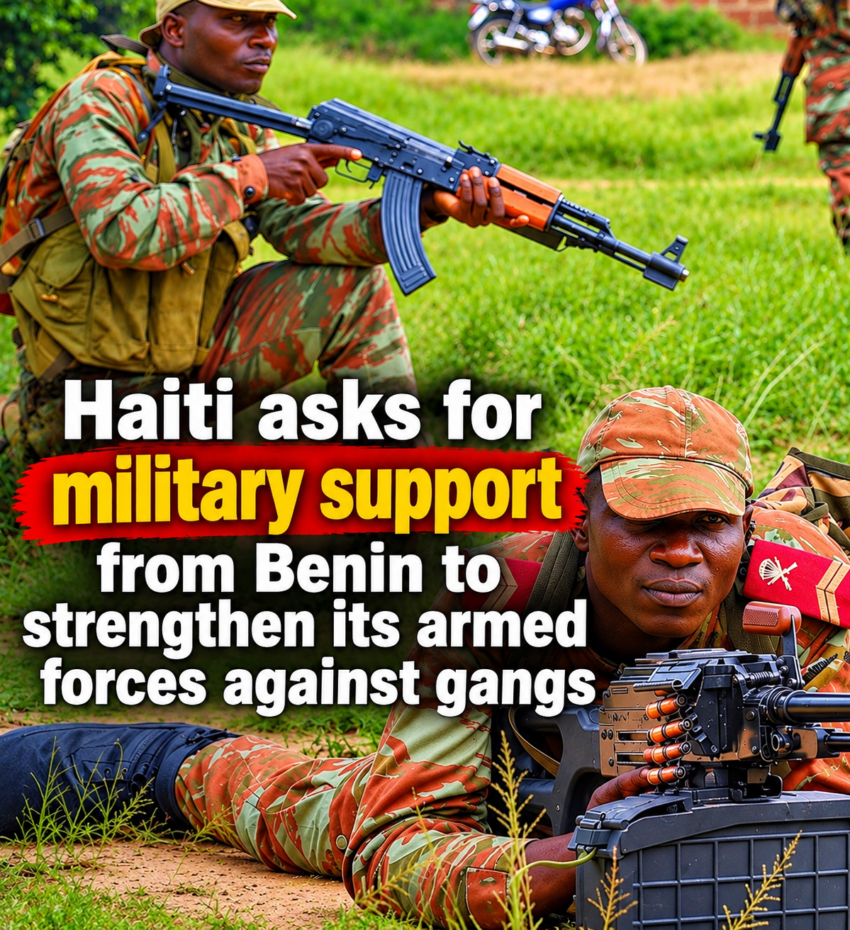
How Benin’s military expertise could address Haiti’s gang crisis
The escalating influence of armed gangs in Haiti has pushed Port-au-Prince to seek innovative solutions to bolster its national security forces. In a strategic pivot, Haitian authorities are now turning to Benin’s military expertise to enhance the operational capabilities of their soldiers. This move underscores the critical role of training, experience sharing, and African military know-how in addressing complex security challenges.
Port-au-Prince’s security challenges and the need for reform
Haiti’s ongoing security crisis has severely impacted its population, disrupted economic activities, and strained institutional stability. The growing dominance of armed gangs across key urban and rural areas has created an environment where traditional security measures prove insufficient. To counter this threat, Haitian leaders are prioritizing the strengthening of their armed forces through targeted military cooperation.
The decision to collaborate with Benin reflects a broader strategy to diversify security partnerships and leverage experiences from nations facing comparable threats. By focusing on training and operational preparedness, Haiti aims to enhance the discipline, coordination, and effectiveness of its military units in high-risk environments.
Why Benin stands out as a strategic military partner
Benin’s selection as a partner in this initiative highlights its proven track record in addressing security challenges. The West African nation has successfully adapted its defense strategies to counter insurgencies and criminal networks in its northern regions. This experience positions Benin as a valuable resource for Haiti, particularly in developing tailored solutions that align with local realities.
While the circumstances in Haiti differ from those in Benin, the core principles of military training such as leadership development, operational planning, and crisis response remain universally applicable. The collaboration will focus on sharing best practices rather than replicating models, ensuring that Haitian forces gain relevant insights without overlooking contextual differences.
The transformative potential of military training
Beyond equipment acquisition or troop reinforcements, military training represents a long-term investment in Haiti’s security infrastructure. Strengthening the skills of soldiers, improving command structures, and refining operational tactics are essential steps toward regaining control in gang-dominated areas.
A well-structured training program could enhance Haitian forces’ ability to conduct targeted operations, protect civilians, and restore institutional authority. However, the success of this initiative hinges on its implementation ensuring that theoretical knowledge translates into practical, measurable improvements in security outcomes.
Redefining military cooperation beyond traditional alliances
Haiti’s decision to seek African military expertise challenges the conventional perception that security solutions must originate from Western powers. By partnering with Benin, Port-au-Prince is embracing a model of South-South cooperation, where shared challenges foster innovative solutions.
This approach emphasizes the value of peer learning, where nations with similar security concerns collaborate to strengthen their defenses. For Benin, the opportunity to share its experiences could reinforce its role as a regional leader in security sector reform, while for Haiti, it offers a pathway to sustainable stability.
Measuring the impact of Benin-Haiti military cooperation
The true test of this partnership will lie in its results. Key indicators of success include improved soldier performance, enhanced operational readiness, and tangible progress in reducing gang influence. While training is a critical component, it must be complemented by broader institutional reforms and community-focused security strategies.
The November 3, 2026, discussions in Cotonou mark a pivotal moment in Haiti’s search for solutions. However, the effectiveness of this cooperation will ultimately depend on Haiti’s ability to translate shared knowledge into actionable security improvements for its people.
By Martin Ngu — Journalist