Cameroon’s road infrastructure: progress and persistent hurdles
Ongoing road projects, completed milestones, and structural network developments—alongside the sector’s performance bottlenecks—were the key topics discussed at the government action salon in Yaoundé.
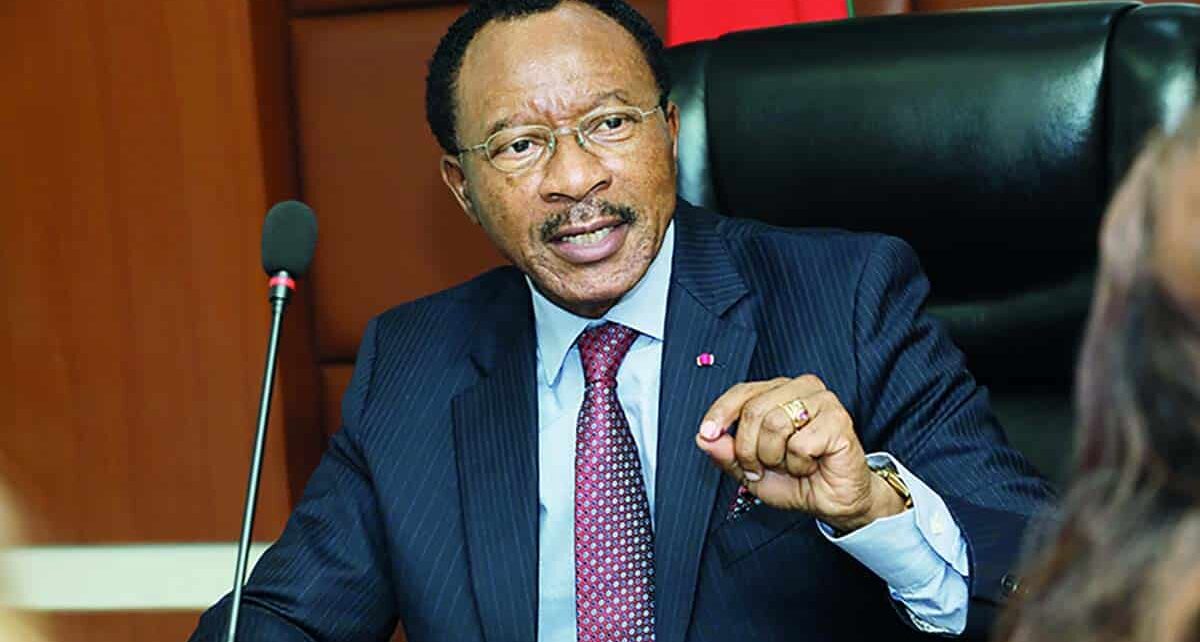
Ongoing road projects, completed milestones, and structural network developments—alongside the sector’s performance bottlenecks—were the key topics discussed during the public conference led by the Minister of Public Works, Emmanuel Nganou Djoumessi, on June 11, 2026, at the Government Action Salon (SAGO 2026). The conference focused on revitalizing the national road network.
The Minister outlined the mid-term progress of the 2020-2030 National Development Strategy, reviewed achievements since the start of 2026, and highlighted the constraints slowing down road project execution. He emphasized measures to enhance the quality and connectivity of Cameroon’s road network, presenting the structural network as central to the Ministry of Public Works’ interventions.
The Ministry’s report underscored that road infrastructure development is a key driver for economic growth and territorial cohesion. The Minister stressed that his department’s initiatives align with the commitments made by President Paul Biya within the framework of the 2020-2030 National Development Strategy.
During the mid-term review of this strategy, the Minister revealed that nearly 2,442 kilometers of roads have been paved, and approximately 833 kilometers of degraded roads have been rehabilitated. However, he acknowledged persistent delays, particularly in road maintenance.
Key challenges affecting performance include insecurity in certain intervention zones, cumbersome funding mobilization procedures, lengthy market award timelines, financial difficulties faced by contractors, and limited resources allocated to road network maintenance.
Despite these hurdles, the Minister highlighted progress over the past five years. The length of paved roads increased from 8,498 kilometers in 2020 to nearly 10,939 kilometers by the end of 2025, averaging over 488 kilometers of newly paved roads per year.
Looking ahead, Emmanuel Nganou Djoumessi noted that actions taken since early 2026 are part of implementing the President’s Highest Directives, with a focus on the structural road network, improving infrastructure quality, and strengthening territorial connectivity.
Be the first to comment



Comments