President Alassane Ouattara of Ivory Coast welcomed two key figures in Abidjan’s presidential palace this week, each representing a distinct yet complementary economic vision. The visitors: Ousmane Diagana, World Bank Vice-President for West and Central Africa, and Philippe Van De Vyvère, CEO of the Belgian maritime group Sea-Invest. Their audiences underscore the dual strategy Ouattara is advancing in his new term: reinforcing ties with multilateral lenders while accelerating the flow of private European capital into the country’s maritime sector.
World Bank partnership deepens for Ivory Coast
The meeting with Ousmane Diagana reflects the enduring importance of multilateral financing for Ivory Coast’s development agenda. The World Bank’s portfolio in the country is among the largest in West Africa, funding critical sectors such as education, social protection, rural infrastructure, and climate resilience. Diagana’s visit coincides with delicate negotiations over the next round of budget support, set against a backdrop of tighter financing conditions across the region.
For Ivory Coast’s government, this visit sends a clear message to investors and bilateral partners alike: the nation remains firmly anchored to the fiscal discipline and reform standards championed by Bretton Woods institutions. While several neighboring countries have loosened their ties with these lenders, Ivory Coast—West Africa’s largest economy within the West African Economic and Monetary Union (UEMOA)—continues to pursue robust growth. Yet, the strain of rising public debt servicing and the cost of major infrastructure projects demands careful navigation of fiscal space.
Sea-Invest joins the race to expand Ivory Coast’s port capacity
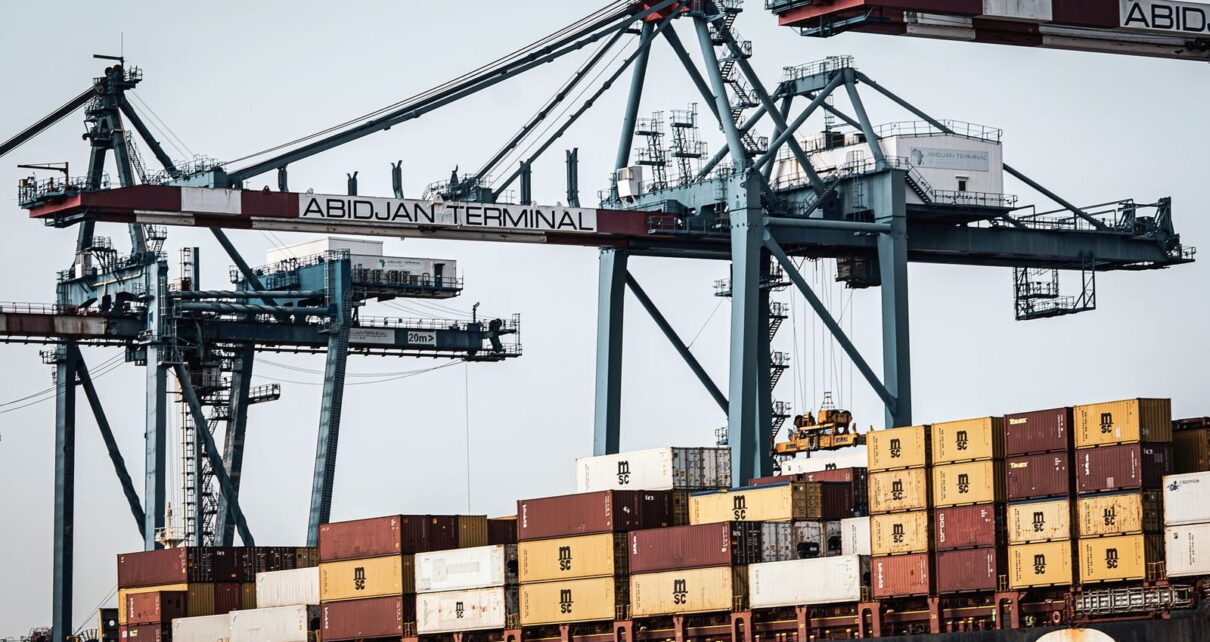
The audience with Philippe Van De Vyvère highlights a parallel yet equally vital objective: attracting private investment to Ivory Coast’s Atlantic trade gateway. Sea-Invest, a leading Belgian port operator with established operations in Senegal, Cameroon, and Ivory Coast, sees growing potential in Abidjan’s expanding container and bulk cargo traffic. The autonomous port of Abidjan, the country’s main maritime hub, handles the bulk of Ivory Coast’s foreign trade and serves as a critical transit point for goods destined for Mali and Burkina Faso.
The competition for port concessions along the Gulf of Guinea is fierce. Competing firms such as the Philippine-based ICTSI, the French-led AGL (now operated under MSC), and Denmark’s APM Terminals are vying for dominance in the region. In this competitive landscape, the entry or expansion of an independent European player like Sea-Invest offers Abidjan a strategic advantage—both economically and geopolitically. Authorities are keen to avoid over-reliance on any single operator as container volumes through San Pedro and Abidjan ports continue their steady climb.
Dual-track economic diplomacy takes center stage in Abidjan
The back-to-back meetings with the World Bank and Sea-Invest paint a vivid picture of Ivory Coast’s evolving diplomatic playbook. By simultaneously engaging concessional multilateral lenders and European private investors, the Ouattara administration is signaling a balanced approach to economic governance. This strategy is particularly vital as the country emerges from a presidential election cycle, where international credibility and economic attractiveness are key to sustaining long-term stability.
While no specific financial commitments were disclosed following the discussions, the timing of these engagements underscores a clear intent: to maintain an open channel of dialogue with both development partners and industry leaders investing in transport infrastructure. Observers will now watch closely as these discussions translate into concrete actions within the upcoming national budget and the timeline for new port concession agreements.