
File generated on
Unused billions in development financing: Cameroon’s stalled loan disbursements
Despite securing billions in concessional loans from international financial institutions, Cameroon has struggled to fully utilize these funds. The shortfall in disbursements raises concerns about institutional inefficiencies and delayed project implementations.
How much funding remains untapped?
Government records indicate that over XAF 1.2 trillion in loans from the World Bank and the African Development Bank have not been drawn down. These funds, approved for critical sectors like infrastructure, healthcare, and education, are sitting idle while development needs grow.
Industry analysts point to bureaucratic bottlenecks and administrative delays as primary obstacles. Slow procurement processes and rigid disbursement rules further exacerbate the issue, leaving millions without access to essential services.
Key sectors affected by delayed funding
The most impacted areas include:
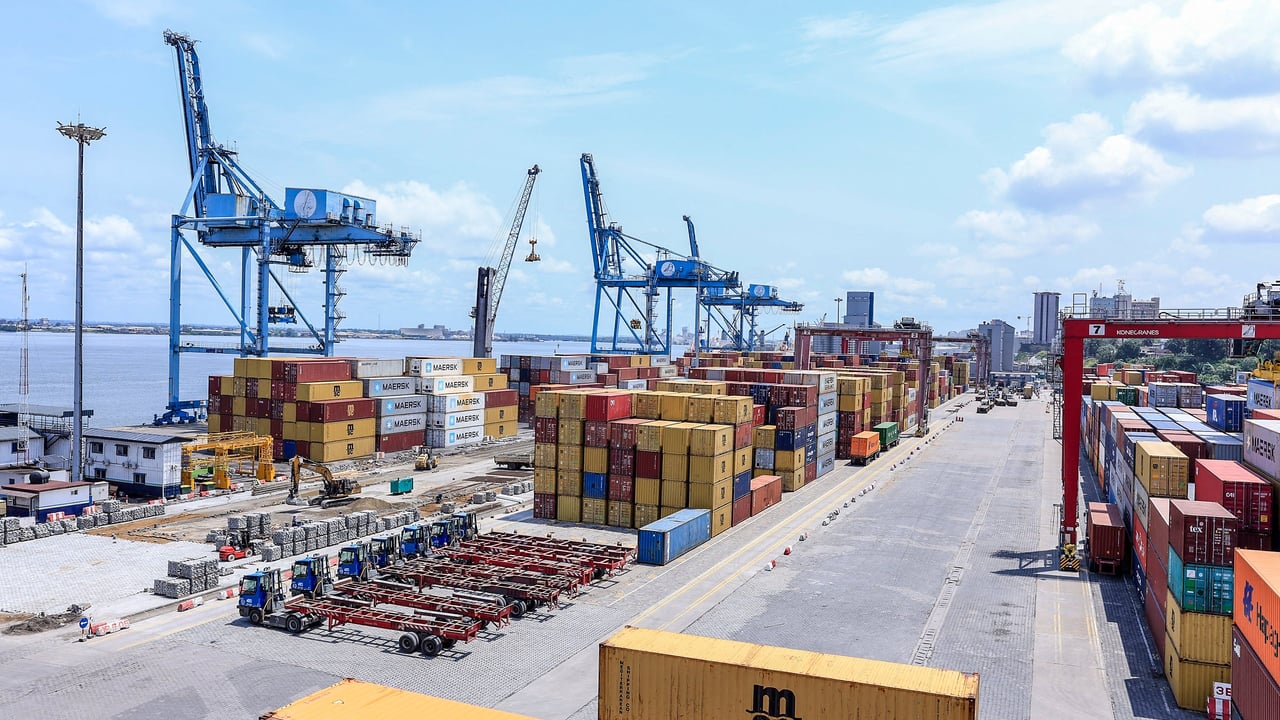
- Transportation: Road networks and port expansions in Douala remain underfunded despite approved loans.
- Healthcare: Hospitals and medical facilities lack critical equipment and upgrades.
- Education: School infrastructure projects face repeated postponements due to stalled disbursements.
Government response and reforms
Officials acknowledge the urgency of the situation and have pledged to streamline approval processes. Proposed measures include:
- Accelerating tender evaluations and contract awards.
- Simplifying documentation requirements for loan drawdowns.
- Enhancing coordination between ministries and financial institutions.
The goal is to ensure timely project execution while maintaining fiscal discipline. However, critics argue that without structural reforms, the same inefficiencies will persist.
What’s next for Cameroon’s development financing?
With global economic pressures mounting, the pressure is on for Cameroon to unlock these dormant funds. If disbursements remain sluggish, the country risks falling behind regional peers in critical infrastructure and social development.
The coming months will be pivotal in determining whether these billions translate into tangible progress or remain trapped in bureaucratic limbo.