Lamu, Kenya — September 30, 2026. The future of East Africa’s energy landscape hinges on a single question as Benin’s president Romuald Wadagni steps onto the stage at Lamu port: Can African nations afford to watch from the sidelines as a $16 billion industrial revolution reshapes regional trade and energy security?
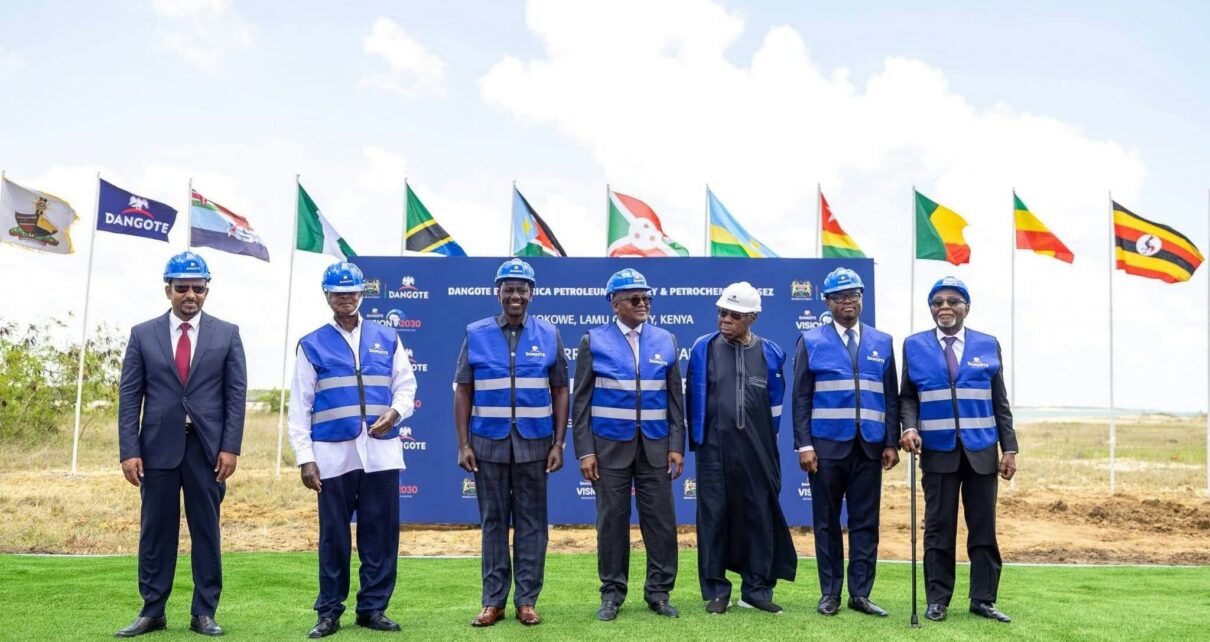
Wadagni joins four African heads of state—Uganda’s President Yoweri Museveni, Togo’s President Jean-Lucien Savi de Tové, Ethiopia’s Prime Minister Abiy Ahmed Ali, and Kenya’s President William Ruto—to break ground on the Lamu Refinery, a project poised to become East Africa’s largest oil-processing facility. The timing isn’t coincidental: with Africa’s demand for refined petroleum products surging, this initiative could redefine who controls the continent’s energy future.
East Africa’s $16 billion oil gamble: What’s riding on Lamu?
The Lamu Refinery isn’t just another infrastructure project—it’s a geopolitical chess move with consequences far beyond Kenya’s borders. Announced at a total cost of $16 billion (8,960 billion West African CFA francs), this colossal undertaking will process 700,000 barrels per day, dwarfing existing refineries on the continent.
For Benin’s leadership, the ceremony represented more than a diplomatic obligation. It was a chance to assess whether aligning with such a transformative project could unlock new economic corridors for West African states, or whether the risks outweigh the rewards. Wadagni’s presence sent a clear signal: Benin is betting on Africa’s energy independence.
Why this refinery could change the rules of African trade
The Lamu Refinery’s sheer scale isn’t its only game-changing feature. Its location—a coastal strip in northern Kenya—positions it as a potential hub for intra-African industrial integration. By reducing reliance on costly imports of refined oil, the project could:
- Lower fuel costs for East and West African nations alike;
- Create thousands of jobs in refining, logistics, and auxiliary industries;
- Boost regional GDP growth by keeping more capital within Africa’s value chains.
For Wadagni, the stakes are personal. Benin’s economy—like many in West Africa—has long grappled with volatile fuel prices and supply chain vulnerabilities. A stable, high-capacity refinery in East Africa could stabilize regional markets, benefiting Benin’s ports and trade routes.
Wadagni’s dilemma: Partner now or risk being left behind
The Lamu project arrives at a critical juncture. Africa is in the midst of an industrial awakening, with nations from Senegal to South Africa investing in local value addition. Yet, not all African countries are positioned to capitalize—and that’s where Wadagni’s decision enters the equation.
By being among the first to engage with the Lamu Refinery’s stakeholders, Benin’s president is laying the groundwork for future partnerships. But engagement isn’t a guarantee of success. Benin must navigate:
- Supply chain logistics: How will West African nations secure crude oil for Lamu’s refinery?
- Long-term contracts: Will the refinery prioritize regional buyers, or export profits elsewhere?
- Infrastructure gaps: Can Benin’s ports and transport networks connect efficiently to Lamu’s supply lines?
Wadagni’s presence at the groundbreaking ceremony was a statement of intent. Whether it translates into tangible benefits for Benin will depend on how quickly and decisively the government acts to integrate this project into its own economic blueprint.
What Benin stands to gain (and lose) in the Lamu refinery story
The rewards of aligning with Lamu could be transformative. A fully operational refinery would:
- Reduce Benin’s fuel import bill by tapping into East Africa’s refined oil surplus;
- Open new export markets for Beninese agricultural and industrial goods via Kenyan ports;
- Enhance energy security across the sub-region by diversifying supply routes.
Yet, the risks are equally stark. If Benin fails to secure favorable terms—whether through crude supply agreements, logistical partnerships, or regional trade deals—the project could bypass West Africa entirely. The cost of inaction? Missed opportunities, higher energy costs, and diminished regional influence.
A continental shift in energy politics
The Lamu Refinery is more than a single project—it’s a symbol of Africa’s evolving energy narrative. For decades, the continent’s growth has been stunted by its reliance on imported refined products. Now, with initiatives like Lamu, Africa is telling the world it can—and will—refine its own future.
For Wadagni, the Lamu ceremony wasn’t just about showing up. It was a strategic inflection point. Benin’s future energy security, economic competitiveness, and geopolitical leverage could all hinge on the choices made in the coming months. Will the country ride the wave of this industrial revolution, or will it watch from the shore as others define the continent’s energy destiny?
Looking ahead: The 18-month countdown
The groundbreaking marks the start of an 18-month construction marathon. For Benin and its West African neighbors, the window for influence is narrow. Key decisions must be made quickly:
- Trade negotiations: Securing priority access to Lamu’s refined oil output;
- Infrastructure investments: Upgrading Benin’s ports and roads to handle increased fuel traffic;
- Policy alignment: Harmonizing regional energy policies to maximize mutual benefits.
The question for Benin isn’t whether to engage with Lamu—it’s how deep that engagement should go. One thing is certain: the continent’s energy map is being redrawn, and countries like Benin can either help draw it or accept a seat on the sidelines.