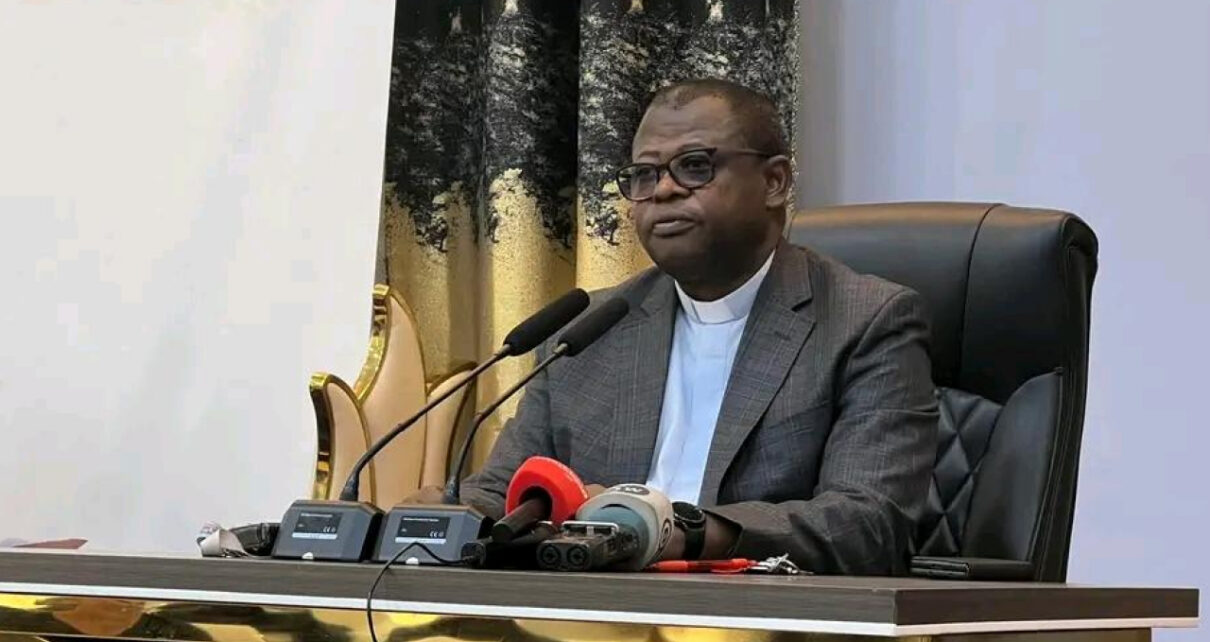
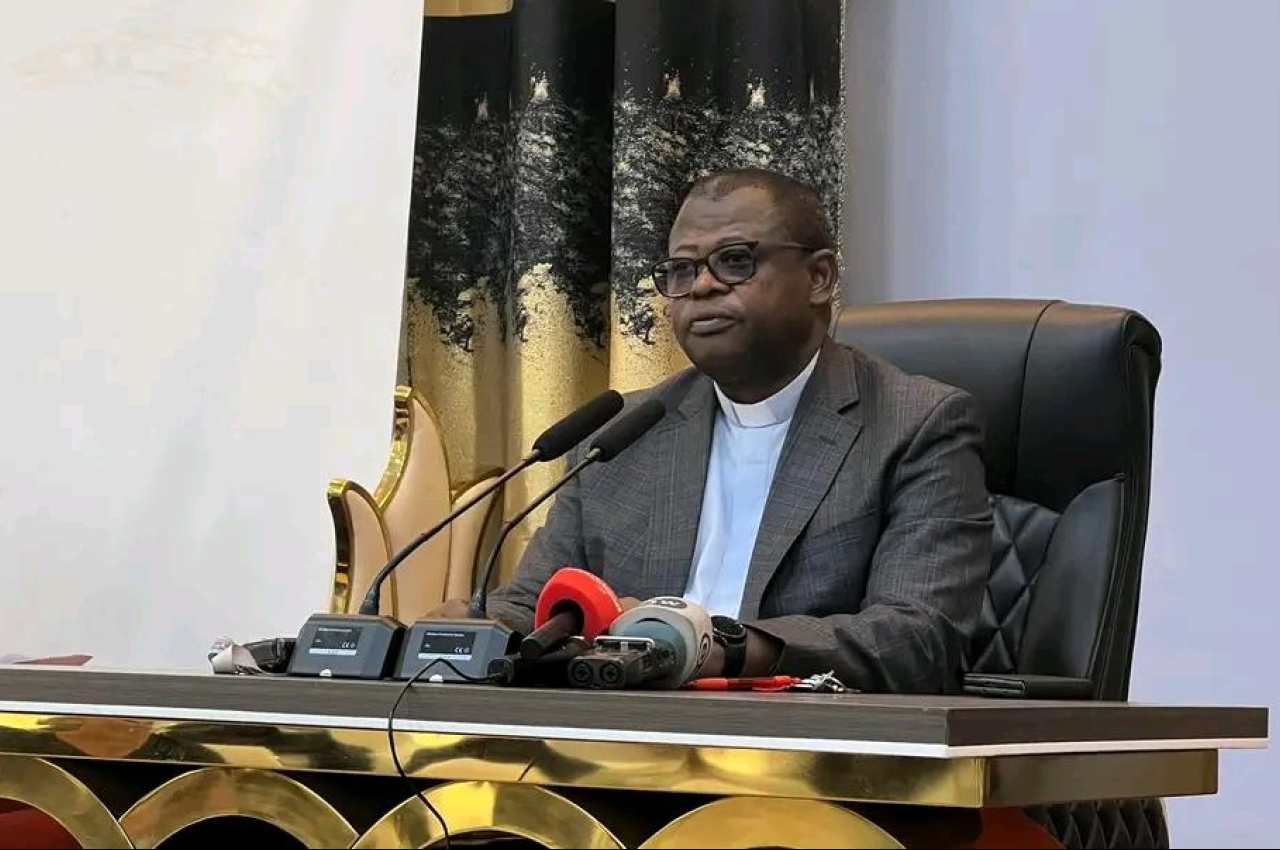
The Article 64 coalition, which is actively resisting the proposed constitutional amendments in the Democratic Republic of Congo (DRC), has gained a powerful ally. The National Episcopal Conference of Congo (CENCO) has explicitly denounced the project, viewing it as a maneuver to allow President Félix Tshisekedi to seek a third term. This move would directly violate the current legal framework that limits presidential mandates to two, leading the Church to warn that such political ambitions place the entire country at risk.
A warning against national instability
The religious leadership argues that any attempt to force through these changes carries grave dangers, including the potential fragmentation or “balkanization” of the territory. They have issued a call to the Congolese people to remain vigilant and take charge of their future, suggesting that the nation’s destiny is currently at a crossroads. Furthermore, the CENCO has urged Félix Tshisekedi to remain faithful to his inaugural oath, which mandates the protection and respect of the Constitution.
Whether these pleas will be heard remains to be seen. However, the current administration is unlikely to welcome this intervention. The Church’s statement comes shortly after the Parliament approved a referendum law, signaling the government’s intent to proceed with the constitutional overhaul. It appears the executive branch is determined to see this through, despite the growing chorus of dissent.
The growing pressure on the presidency
While the bishops maintain they are not officially joining the political opposition, their firm stance provides significant momentum to those fighting the reform. President Félix Tshisekedi now finds himself facing multiple fronts of resistance, a situation that could seriously undermine the stability of his administration. The Church is fulfilling its role as a moral guide and peacebuilder, refusing to stay silent on a project that threatens to deepen national divisions.
The presidency is now in a delicate position. The opposition has already demonstrated its resolve through strikes and protests, some of which were met with force. Now, with the CENCO hinting at future actions by the clergy, the pressure is mounting. It is worth noting that Félix Tshisekedi himself once benefited from the CENCO’s advocacy when he was in the opposition, particularly when the Church helped block Joseph Kabila’s attempts to extend his rule in 2017.
Ultimately, the path chosen by the head of state will define his legacy. With the ongoing conflict in the eastern regions and the persistent threat of health crises like Ebola, the Congolese population is already enduring immense hardship. Adding a constitutional crisis to these existing burdens could have catastrophic consequences for the Democratic Republic of Congo.