West African leaders gather without Sahel bloc at critical ECOWAS summit
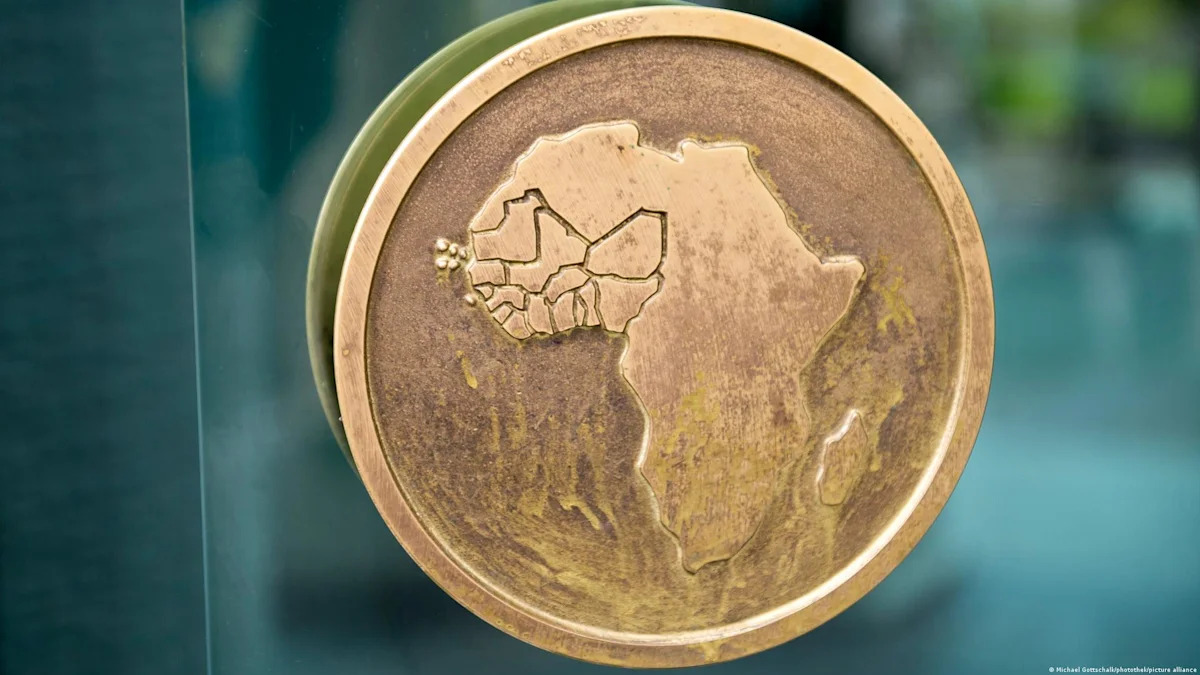
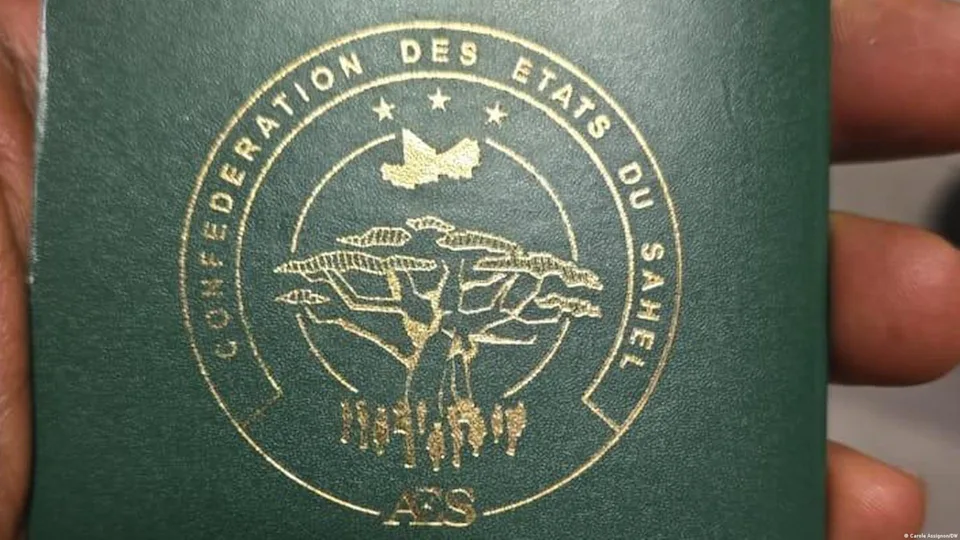
The 69th ECOWAS summit convenes this Sunday in Freetown, Sierra Leone, at a defining moment for the Economic Community of West African States. Yet the gathering takes place without three critical members: Niger, Mali, and Burkina Faso have distanced themselves to form the Alliance of Sahel States (AES). While security challenges dominate discussions, the absence of the Sahel trio casts a long shadow over proceedings.
Can ECOWAS survive without Mali, Niger and Burkina Faso?
The symbolic weight of this absence cannot overshadow the practical realities facing West Africa. Even after their withdrawal, the three Sahel nations remain indispensable neighbors. Regional leaders are expected to explore pathways for dialogue aimed at safeguarding trade flows, preserving free movement of people, and reinforcing security cooperation against a transnational terrorist threat.
According to Aliou Diakite, a seasoned ECOWAS analyst, “the focus now must shift to reimagining the bloc’s future in light of escalating organized crime linked to terrorism, political shifts following elections, climate-induced pressures, health crises, and pandemics. These interconnected challenges demand urgent attention from heads of state and government as they chart the course for ECOWAS over the coming years.”
ECOWAS standby force still stuck in the planning phase
Among the persistent issues carried over from summit to summit is the ECOWAS Standby Force. Promised for years but never fully operationalized, this regional instrument is envisioned as a rapid-response mechanism against terrorism, political crises, and regional instability.
Pre-summit preparatory meetings held this week in Freetown reflect growing impatience among several member states to accelerate deployment. Michel Ange Bangoura, Guinea’s coordinator for ECOWAS affairs, shares this urgency. “On paper, all institutional frameworks are in place,” he notes. “What remains is securing the necessary resources—identifying a host nation for the headquarters and ensuring each country contributes at least one company to the force.”
When pressed on timelines, he adds: “During these ongoing discussions, we are likely to agree on imminent deployment—perhaps even the selection of a host country in the very near term.”
The summit will also confront institutional reforms within ECOWAS and the urgent task of restoring the bloc’s credibility after years marked by political turbulence and multiple coups across the region.