Senegal’s constitutional reform: civil society urges transparent referendum
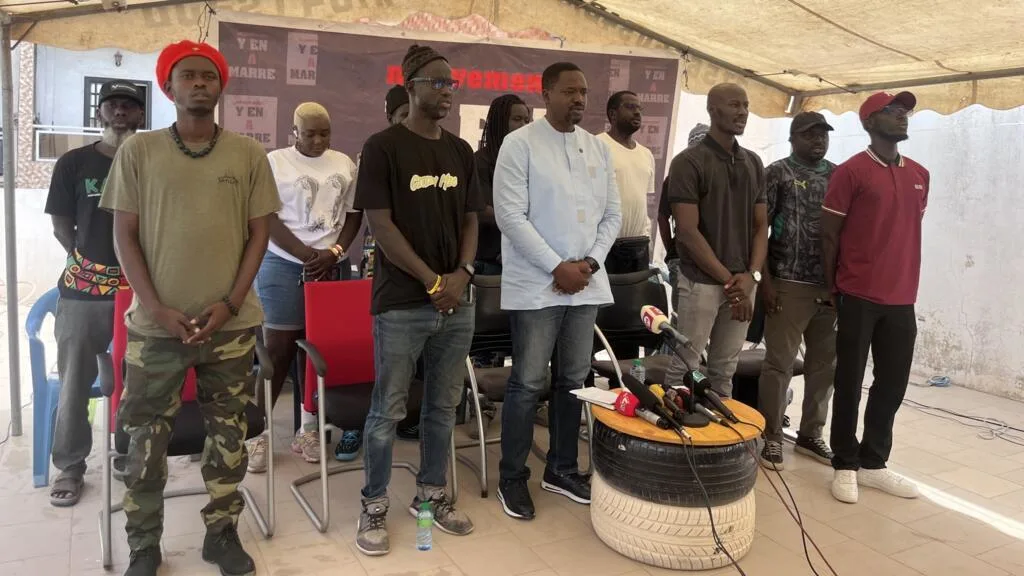
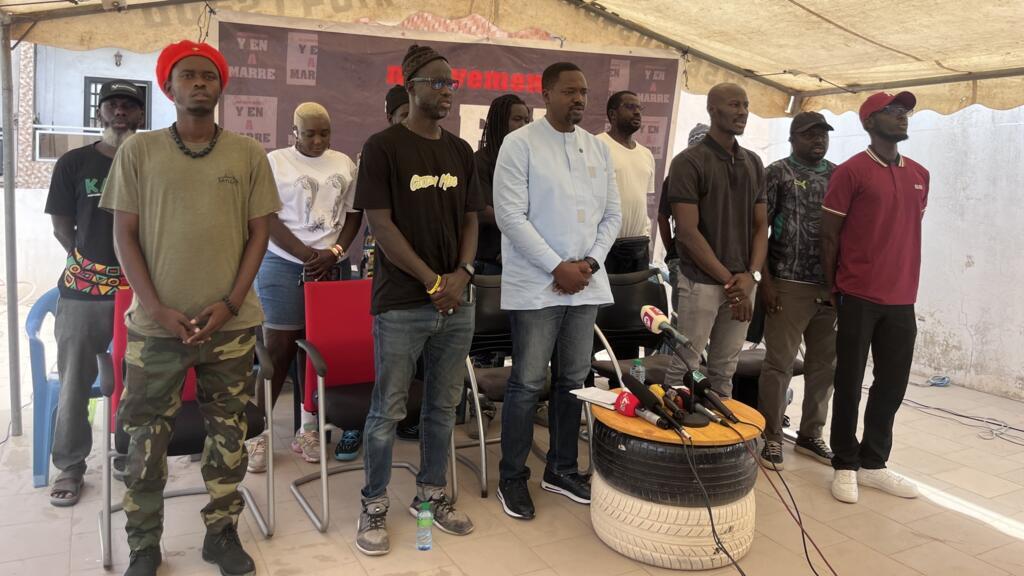
Civil society in Senegal is calling for clarity as the nation navigates a pivotal constitutional reform. The Y’en a marre movement, a grassroots collective with 15 years of activism, has weighed in on the proposed changes, emphasizing the need for a referendum to precede any final approval—a stance aligned with President Bassirou Diomaye Faye’s proposal. The group has also raised alarms about a resurgence of divisive political tactics, denouncing what they describe as political maneuvering and backroom dealings reminiscent of past administrations.
Aliou Sané, founder of Y’en a marre, supports the executive’s call for a referendum but insists it must not be used as a tool to stall progress. “This referendum announcement should not serve as a delaying tactic to undermine the Pastef party’s initiatives,” he stated. “Let’s move forward with these reforms, but ensure citizens have the space to understand and decide for themselves.”
Political polarization and accusations
The movement has criticized the reemergence of tactics aimed at silencing dissent, pointing to their own recent vilification. Since opposing the Pastef party’s approach, Y’en a marre has been labeled a “LGBT lobby” by some figures and activists within Ousmane Sonko’s party. Homosexuality remains heavily stigmatized in Senegal, with harsher penalties introduced earlier this year.
“These are tactics we endured under Abdoulaye Wade and Macky Sall,” Sané explained. “We’ve been accused of being funded by LGBT lobbies to destabilize the country—but it’s untrue. We recognize this is a sensitive issue in Senegalese society. When Macky Sall made such claims, those now in power stood by us and were outraged.”
The collective also condemned the arrest of twelve individuals near the National Assembly on June 29, the day the constitutional reform was passed. Among them were nine young activists from the opposition party Alternative pour la Relève Citoyenne (ARC), detained for “public order disturbances” and “unauthorized protest” before being released hours later.

Related Articles