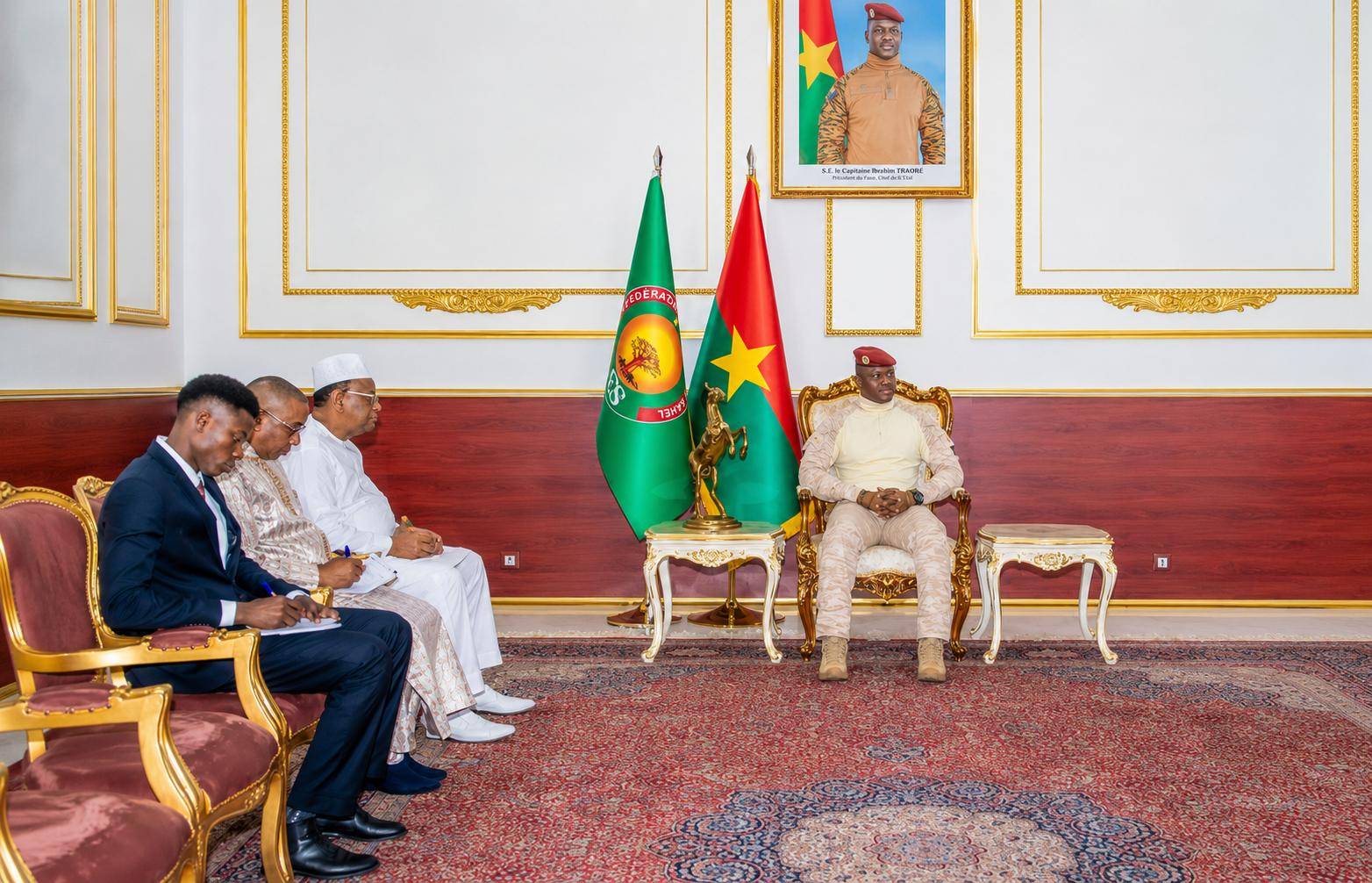
The recent visit by Lansana Kouyaté, the Economic Community of West African States (ECOWAS) mediator for the Alliance of Sahel States (AES), has thrust regional diplomacy back into the spotlight. Standing before Captain Ibrahim Traoré, Kouyaté championed a “necessary cooperation,” underscoring an unassailable truth: geography and shared humanity cannot be undone by political decrees. While the regional body’s approach reflects a pragmatic grasp of realities, it faces a wall of skepticism rooted in the long history of regimes that treat promises as temporary conveniences.
Why dialogue matters: balancing pragmatism with regional survival
The well-intentioned outreach by ECOWAS deserves recognition. By choosing dialogue over futile confrontation, the organization has demonstrated a level of political maturity that the Sahel region sorely needs.
- The humanitarian lifeline: Over 70% of trade for landlocked Sahel nations—Burkina Faso, Mali, and Niger—passes through coastal ports in ECOWAS member states. Cutting these ties abruptly would suffocate populations already grappling with terrorism and economic hardship. ECOWAS has rightly refused to penalize civilians for the decisions of their leaders.
- The myth of isolated security: Jihadist groups operate across borders without regard for the AES or ECOWAS treaties. Claiming to combat insecurity without robust cross-border cooperation is a strategic misstep. ECOWAS is attempting to salvage whatever is left of regional security collaboration.
Yet this commonsense diplomacy is undermined by a critical blind spot: the fundamental asymmetry in good faith among the parties involved.
The skepticism is justified: a culture of betrayal entrenched in power
While ECOWAS’s strategy may appear sound on paper, it overlooks a harsh reality: the military regimes forming the AES have a documented history of abandoning commitments—both to the international community and their own people.
The delayed return to constitutional order
From Mali to Burkina Faso, the promised transitions were initially capped at 18 to 24 months. Today, electoral timelines have been unilaterally discarded, indefinitely postponing the restoration of democratic governance under the guise of security imperatives.
International agreements treated as disposable
ECOWAS has learned the hard way that agreements signed in Bamako or Ouagadougou can be repudiated months later under claims of “reclaimed sovereignty.” Regional integration treaties, decades in the making, have been discarded in weeks to appease populist rhetoric. Negotiating “exemplary cooperation” with partners who view international law as optional is akin to building on shifting sands.
The broken social contract with Sahel citizens
The gravest betrayal, however, is the abandonment of commitments to the people of the Sahel. The juntas of the AES, which rose to power promising restored security and state renewal, now stand accused of:
- Suspending political parties and suffocating civil society.
- Silencing independent media and persecuting dissent under the banner of “national unity.”
- Failing to curb the escalation of violence, despite shifting geopolitical alliances.
In short, the fundamental duty of any state—to protect its citizens while upholding their freedoms—is being systematically violated.
Dialogue with accountability: the only path forward
ECOWAS is right to prioritize avoiding a chaotic rupture. Sustaining technical and economic bridges is a survival imperative for the subregion.
However, unyielding vigilance is essential. The regional body cannot afford to legitimize de facto situations or grant international credibility to regimes that leverage negotiation time solely to entrench personal power. Dialogue must come with tangible, binding guarantees. Without such safeguards, this latest mediation effort risks perpetuating a familiar cycle: hollow promises followed by inevitable betrayal.