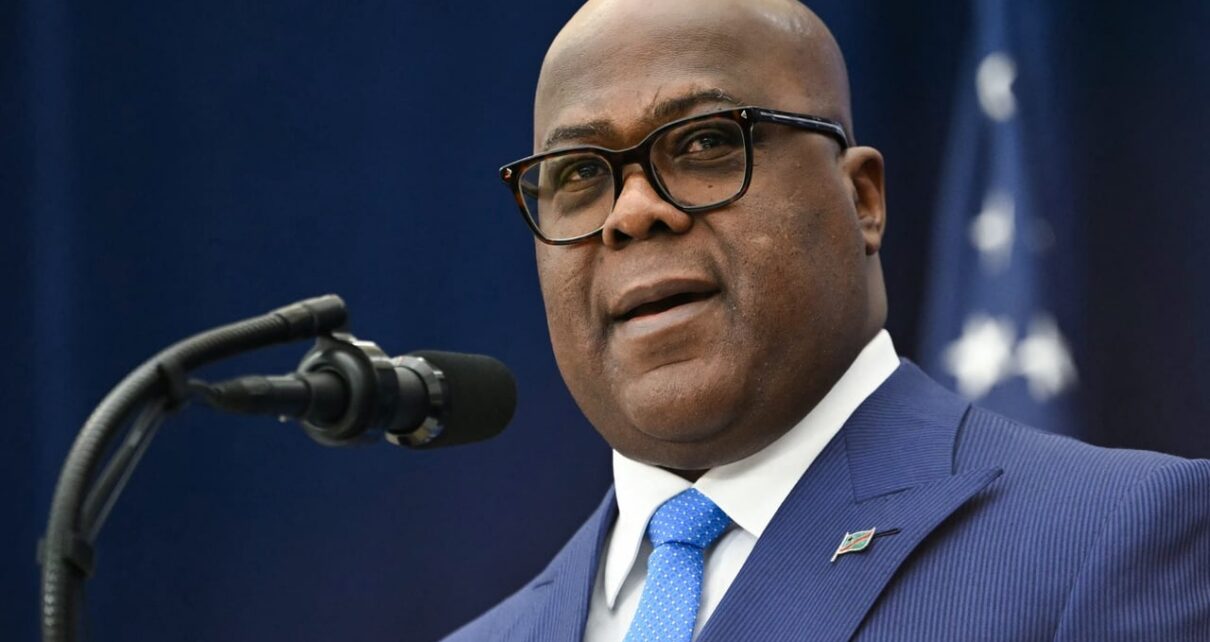
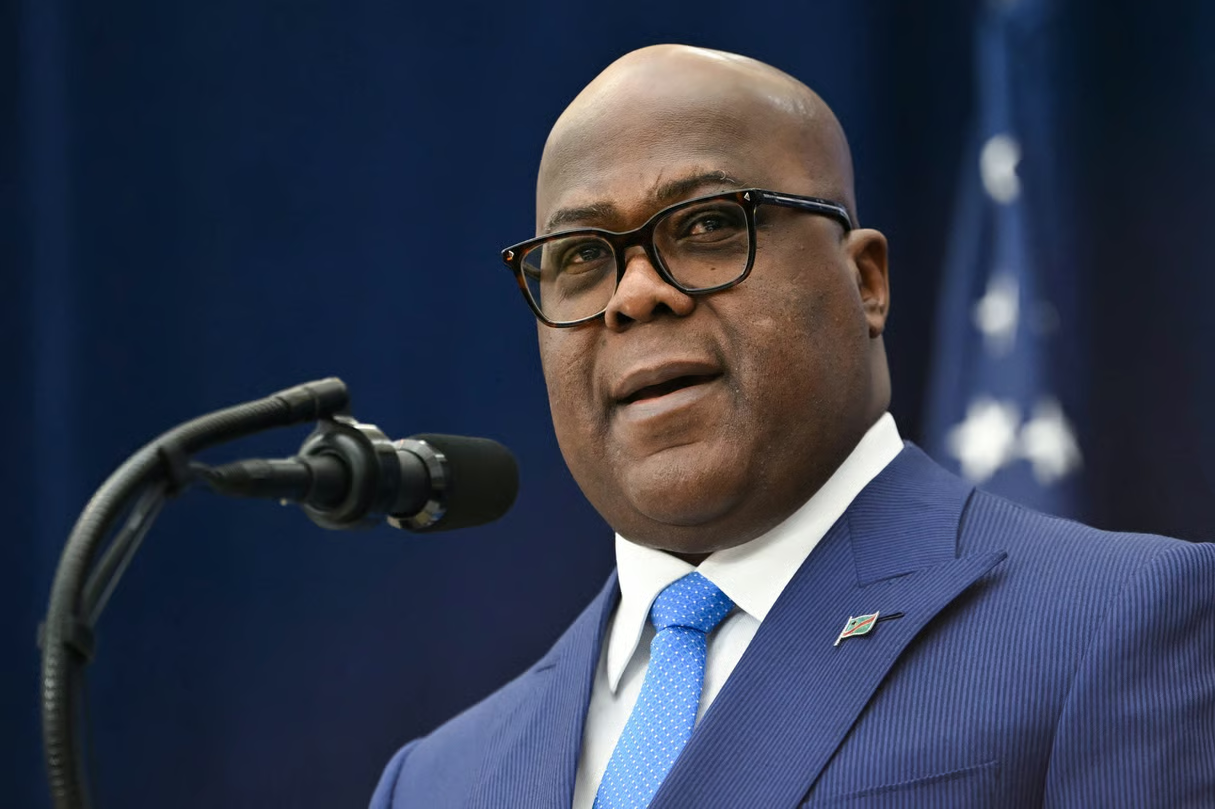
The Democratic Republic of the Congo’s constitutional court has delivered a landmark ruling, officially endorsing the legal framework that paves the way for President Félix Tshisekedi to seek re-election for a third consecutive term.
In a unanimous decision, the court dismissed objections raised against the constitutional amendment, confirming its compatibility with the nation’s highest legal standards. The verdict arrives amid heightened political tensions, with opposition factions and civil society groups already voicing strong opposition to the move.
legal and political implications of the ruling
The court’s endorsement of the amendment represents a significant milestone in the country’s constitutional process. Legal experts highlight that the decision removes the primary legal barrier preventing Tshisekedi from running again in the upcoming election.
Critics, however, argue that the ruling underscores a troubling trend of executive overreach. Political analysts warn that the move could deepen divisions within an already fractured political landscape, potentially fueling unrest in the run-up to the vote.
opposition reactions and public sentiment
Opposition leaders have condemned the ruling as an affront to democratic principles. Street protests have erupted in major cities, with demonstrators decrying what they perceive as an erosion of term limits designed to prevent authoritarian consolidation of power.
Public sentiment remains sharply divided. While some citizens support the president’s potential candidacy, citing his leadership during recent challenges, others view the decision as a step backward for democracy in the region.
next steps for the election process
With the legal pathway now cleared, attention turns to the electoral commission’s preparations for the vote. Authorities have begun outlining timelines for voter registration and campaign activities, though logistical hurdles and security concerns loom large.
The international community continues to monitor developments closely, with calls for transparent and inclusive elections growing louder. Observers stress the importance of ensuring that the process adheres to international standards to maintain regional stability.