From exporter to importer: the paradox of Niger’s fuel supply crisis
In a striking display of irony, Niger—once a net exporter of refined petroleum products—now finds itself begging foreign tankers for gasoline. A recent 53-truck convoy from Algeria, hailed as a diplomatic triumph in Agadez, reveals deeper fractures in the country’s energy infrastructure. While the event was framed as cooperation, it underscores a critical failure: how did a nation with operational refineries and significant production capacity become dependent on imported fuel to meet its own energy needs?
Empty storage, mounting debt: the invisible costs of mismanagement
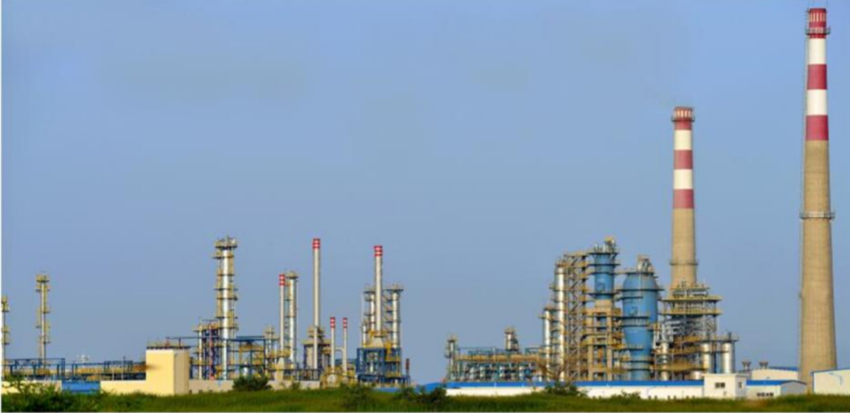
The numbers tell a troubling story. Zinder’s SORAZ refinery produced 365.95 million liters of gasoline in 2023, with 328.25 million liters delivered to the national distributor, SONIDEP. Yet by early 2025, production had plummeted to 56.88 million liters—exactly matching SONIDEP’s intake, leaving no surplus for exports or reserves. The disappearance of surplus is one thing, but the financial strain within SONIDEP paints an even bleaker picture. Reports suggest the state-owned distributor owes over $620 million (418 billion FCFA), raising alarming questions about revenue collection, debt management, and the erosion of national fuel reserves.
Where did the reserves go?
Rumors persist that SONIDEP liquidated strategic reserves to address cash-flow shortages, potentially compromising both emergency stocks and maintenance budgets for SORAZ. If true, these actions could destabilize the refinery’s long-term viability. Energy sovereignty isn’t just about production—it’s about preserving reserves that shield citizens from supply shocks. Without transparent audits, the public remains in the dark about the true state of its fuel security.
The Nigerian connection: how informal trade masked systemic gaps
For years, Niger relied on smuggled fuel from Nigeria to plug demand gaps. But stricter border controls and Nigeria’s subsidy cuts have throttled these informal imports. By March 2025, SONIDEP received just 25 tankers from SORAZ daily—half of national needs—with the shortfall directly linked to the decline in illicit cross-border trade. This dependency revealed a glaring gap: while informal networks filled the void, formal infrastructure and contingency plans were never strengthened.
Mali’s shadow: solidarity at what cost to Niger’s energy security?
In November 2025, Niger sent 82 tankers to Mali amid a fuel blockade by the JNIM. Sanctions were imposed on transporters who refused to comply, illustrating a troubling prioritization of regional solidarity over domestic resilience. The irony is stark: as Niger dispatched fuel to Bamako, its own strategic reserves were reportedly strained, raising questions about whether the government accounted for the dual impact on national supplies. Was this solidarity an act of necessity or improvisation?
Algeria’s role: emergency stopgap or long-term risk?
The Algerian convoy’s arrival—at 1.65 million liters—offered temporary relief, but its high costs and opaque financial terms underscore a deeper issue: Niger lacks a clear import strategy. While Algeria is a logical partner, its involvement should not mask upstream failures in storage, production planning, or financial oversight. Transparency in pricing, logistics, and procurement is essential to avoid turning emergency imports into a new norm, stripping the country of both fiscal control and energy autonomy.
The government’s October 2026 ban on gasoline and diesel exports signals an admission of crisis. Yet without structural reforms—audited stockpiles, debt transparency, and contingency funding—such measures are little more than damage control. The real test lies in whether these steps will be matched by actionable accountability across SORAZ, SONIDEP, and the Ministry of Petroleum.
Breaking the cycle: what Niger must do to reclaim its energy future
Niger’s fuel paradox is not an export failure—it’s a governance crisis. Key questions demand answers:
- Production efficiency: Why has SORAZ’s surplus vanished despite unchanged operational capacity?
- Financial transparency:
- Is SONIDEP’s $620 million debt a symptom of unpaid receivables, or systemic revenue leakage?
- Strategic reserves: Were emergency stocks liquidated for short-term gains, and if so, with what safeguards?
- Future imports: How will Algeria’s role be renegotiated to prevent recurring dependence?
The path forward requires more than convoy receptions and press releases. It demands a forensic review of the entire petroleum value chain—from Zinder’s refinery to the nation’s gas stations. Only by addressing these gaps can Niger transform its oil wealth into genuine energy security for its people.
The bottom line: sovereignty requires more than rhetoric
Niger produces oil. It does not, however, guarantee its citizens steady access to fuel. The arrival of Algerian tankers is a symptom, not a solution. Until the country can explain why a refining nation imports gasoline, its pursuit of energy sovereignty remains a hollow promise—a fact that grows costlier with every barrel of foreign fuel.