Unprecedented atrocities in Burkina Faso: a conflict spiraling out of control
- Burkina Faso’s army, alongside allied militias and an Al-Qaeda-linked armed group, has killed over 1,800 civilians and forcibly displaced tens of thousands since 2023.
- The military junta itself commits severe abuses, fails to hold any party accountable, and restricts information flow to conceal civilian suffering.
- Regional bodies and international partners must press the junta to address widespread violations and ensure genuine accountability.
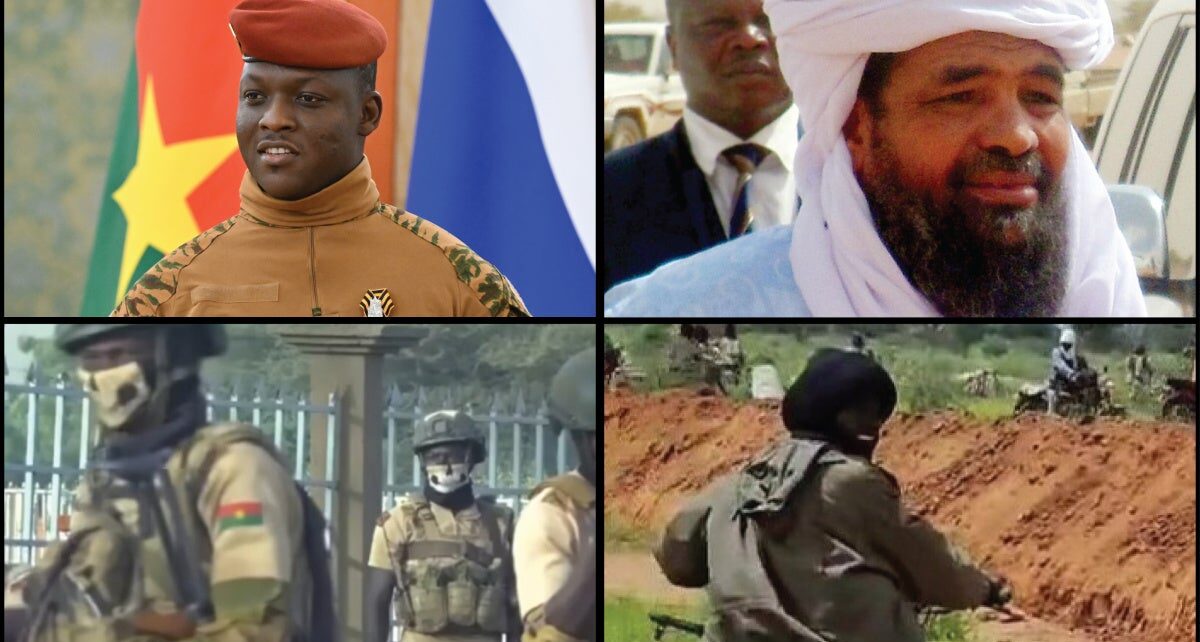
Since 2023, Burkina Faso’s armed forces, supported by allied militias known as the Volontaires pour la Défense de la Patrie (VDP), and the Al-Qaeda-affiliated Groupe de soutien à l’islam et aux musulmans (GSIM), have perpetrated a devastating toll on civilians. According to a comprehensive report, these forces have been responsible for over 1,800 civilian deaths and the forced displacement of tens of thousands, with both camps accused of committing war crimes and crimes against humanity.
The 341-page report, titled “No One Will Escape”: War Crimes and Crimes Against Humanity by All Sides in Burkina Faso, meticulously documents 57 incidents involving military forces, VDP militias, and the GSIM since the current military junta seized power in September 2022. The crisis, largely overlooked globally, reveals a pattern of systematic violence targeting civilians, including alleged ethnic cleansing of Fulani communities by government forces.
Systematic repression and information blackout under the junta
Under President Ibrahim Traoré, the junta has intensified repression against political opposition, peaceful dissent, and independent media, creating an environment of fear that severely limits reporting on the conflict’s true scale. This crackdown has not only silenced critical voices but also obscured the junta’s own role in atrocities, including extrajudicial killings and forced displacements.
The GSIM, which launched its insurgency in 2016 as part of a broader Sahel offensive, has similarly targeted civilians. Accusations of supporting opposing forces have led to mass killings, looting, and the siege of towns and villages, cutting off essential supplies and triggering famine and disease. Both the junta and the GSIM have used civilian killings and displacements as tactical weapons, with Fulani communities particularly affected by the military’s alleged ethnic targeting.
Chilling testimonies of civilian massacres
In one of the deadliest incidents, in December 2023, the army and allied militias killed over 400 civilians across 16 villages near Djibo during Operation Tchéfari 2. Survivors recounted harrowing details of the massacre, including a woman whose two daughters were shot dead while she and her nine-month-old son were critically wounded. “They made sure no one was left alive,” she testified.
Similarly, in November 2023, government-aligned militias executed 13 Fulani civilians, including six women and four children, in the village of Bassé. A survivor described the scene: “All the bodies, except my son’s, were piled in the courtyard, blindfolded, with their hands tied behind their backs and riddled with bullets. My son lay on his stomach, killed by a shot to the back of the neck.“
The GSIM has also waged brutal campaigns, including the August 2024 massacre in Barsalogho, where at least 133 civilians, many of them children, were killed. Survivors spoke of relentless gunfire, with one man stating, “People were falling like flies. They came to exterminate us. No one was spared.” Five members of his family were among the victims.
Crimes against humanity and the cycle of impunity
Human Rights Watch has documented widespread war crimes by all parties, including intentional homicide, attacks on civilians, pillaging, and forced displacement. These actions, particularly when targeting civilian populations, constitute crimes against humanity. The report identifies Burkina Faso’s President Ibrahim Traoré, six high-ranking military commanders, and four GSIM leaders as potentially liable under command responsibility, with arrest warrants already issued for some by the International Criminal Court (ICC).
Despite the gravity of these crimes, impunity remains rampant. Victims and families have little faith in the national justice system, which has failed to conduct credible investigations. The junta has repeatedly denied or downplayed allegations, particularly those implicating the military and militias, further entrenching a culture of unaccountability.
International response and the path to accountability
Human Rights Watch urges regional bodies and Burkina Faso’s international partners—including the United Nations, African Union, European Union, and United States—to take decisive action. This includes imposing targeted sanctions on commanders implicated in abuses and encouraging the ICC to open a preliminary examination into the crimes committed since September 2022.
The report concludes with a stark warning: “The world must acknowledge the scale of atrocities unfolding in Burkina Faso to bring them to an end.” Regional organizations and partner governments are called upon to collaborate with Burkinabè authorities to address violations and ensure genuine accountability, breaking the cycle of violence and impunity that has plagued the country.