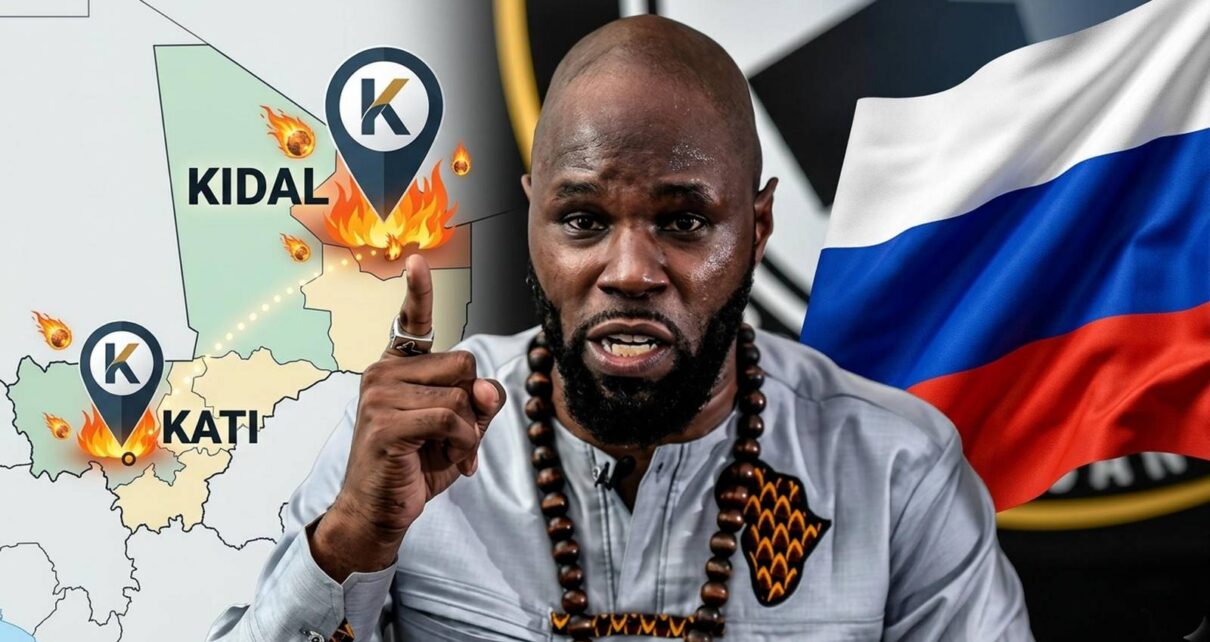
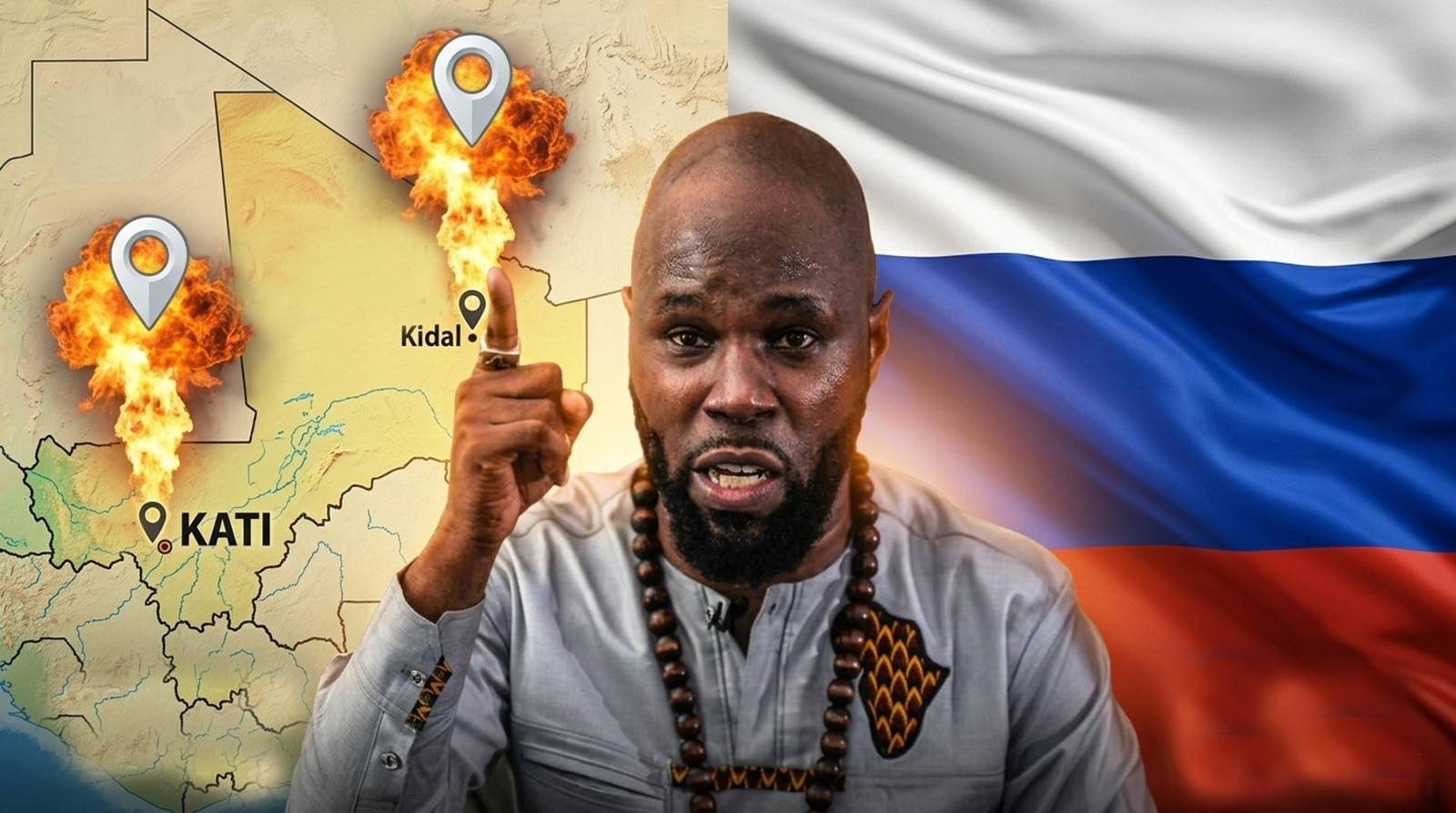
The ground trembles in Kati, and Kidal slips further into chaos. On a tense Saturday in April 2026, the narrative of “liberation from the East” collapses under the weight of reality. While Africa Corps fighters struggle to make headway, even Kemi Seba’s credibility is crumbling. The pan-African activist, once a vocal advocate for Russian support, now faces accusations of hypocrisy after leaked audio clips reveal his private disdain for Moscow’s motives.
In Bamako and northern garrisons, the morning after the shelling in Kati—ground zero of Mali’s military junta—was far from celebratory. The promised security partnership with Russia, marketed as a swift solution to armed groups, is proving to be a costly illusion. Rather than stability, Mali now faces more coordinated attacks, burning armored vehicles, and relentless pressure on its forces. The “turnkey security” model touted by proponents has delivered neither security nor terrain.
from rhetoric to reality: sebа’s shifting stance on Russia
Kemi Seba, the self-proclaimed panafricanist firebrand, built his reputation on defiance toward Western powers. Yet as Mali’s partnership with Russia falters, his public bravado is clashing with private admissions. WhatsApp recordings circulating widely capture Seba’s unfiltered frustration, labeling Russian involvement as the work of “opportunists of the worst kind.” His message is clear: Moscow’s approach is purely transactional. Mercenaries and hardware arrive, but control over Mali’s gold mines departs with them. Seba’s own words now echo warnings he once dismissed—Russia’s tactics resemble old colonial patterns, and history suggests such dominance won’t last.
the human cost of a failed security gamble
The real tragedy unfolds beyond political posturing. Civilians and soldiers bear the brunt of this miscalculated alliance. The Russian “solution” promised security; instead, it delivered a broken system where promises expire before delivery. Today’s assaults confirm the strategy is broken. Swapping one foreign power for another hasn’t changed the core problem: persistent attacks and unmet security needs.
The Malian junta now faces a reckoning. With Russian forces failing to deliver miracles and opinion leaders scrambling to recast themselves as critics, the country is at a crossroads. The cost of this failed partnership will be measured in shattered trust, lost lives, and a capital, Bamako, left to pick up the pieces of a gamble gone wrong.