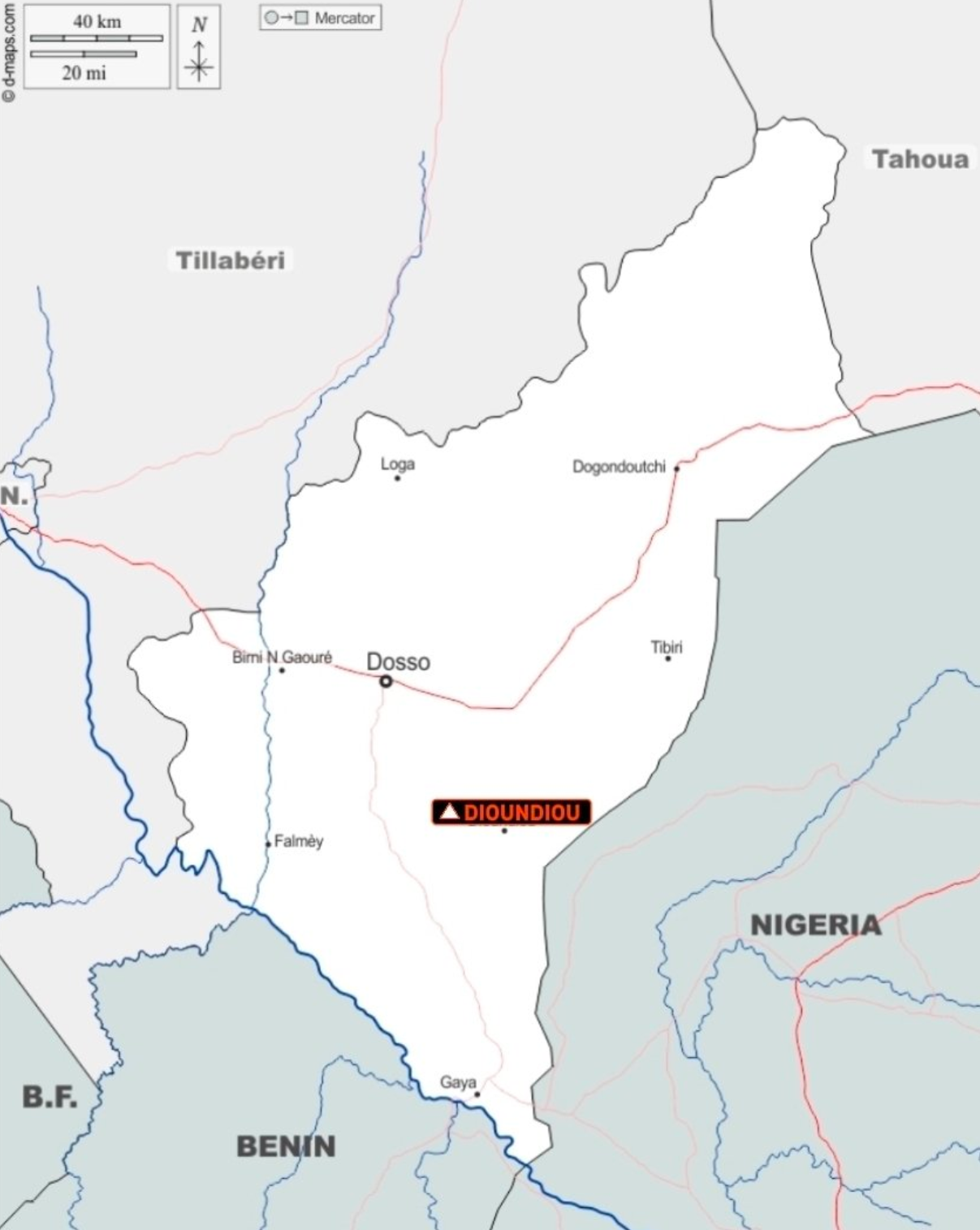
Unspeakable violence leaves villages in ashes and grief
The peaceful villages of Libo I and Libo II, nestled in the Dioundou district of the Dosso region, have been reduced to smoldering ruins following two devastating terror attacks. The first strike, launched under the cover of darkness on May 25, 2026, left six civilians dead and plunged the community into terror. Just days later, on May 28, 2026, the attackers returned—this time with a calculated vengeance.
In their second assault, the armed group systematically torched homes and granaries, incinerating the few precious food reserves that remained. Survivors watched helplessly as their livestock—their sole source of income—was driven away, leaving entire families with no means to rebuild. The psychological toll is immeasurable as survivors grapple with the loss of loved ones and the erasure of their livelihoods.
ISSP Lakurawa linked to brutal campaign of terror
Local accounts and intelligence assessments strongly implicate the Islamic State in the Sahel Province (ISSP) Lakurawa—a Daesh-affiliated group notorious for its ruthless tactics. This faction has escalated its operations across Niger’s borderlands, exploiting weak state presence and porous frontiers to carry out coordinated raids.
Their signature style—nighttime ambushes, summary executions, systematic looting, and the destruction of vital infrastructure—has left villages like Libo I and II in ruins. For a region that had, until recently, remained relatively untouched by the spiraling violence gripping the Sahel, this sudden onslaught marks a grim turning point. Fear now grips every household as communities brace for the next attack.
Junta’s security promises crumble under terror threat
The military-led government, the National Council for the Safeguarding of the Homeland (CNSP), came to power in 2023 vowing to restore order. Yet the relentless advance of armed groups and the devastation in Dioundou expose the stark failure of its security strategy. Since the junta severed ties with Western allies and pivoted toward new partnerships—particularly with Russian and regional forces—the promised protection has failed to materialize for rural civilians.
Joint patrols and newly announced defense initiatives have done little to shield remote communities. Villagers in Libo I and II now face an agonizing reality: their own government’s efforts are not enough to shield them from the terror unfolding at their doorsteps.
From rural outposts to national vulnerability
The tragedy in Dioundou is not an isolated incident but part of a broader, alarming trend. Armed groups have escalated their reach, targeting not only isolated villages but also critical national infrastructure once thought secure. Recent attacks on airport facilities and key logistics hubs—areas that should be fortified—have sent shockwaves through the country. If even these high-security zones are vulnerable, how can remote border villages hope to withstand the onslaught?
The expanding operational footprint of these groups underscores a disturbing shift: they now set the pace of conflict, dictating the terms of engagement across Niger’s fragile landscape.
A nation at the precipice of collapse
The once-thriving villages of Libo I and II now stand as hollowed-out shells. Survivors, many displaced and homeless, face an uncertain future. The loss of six lives and the destruction of livelihoods demand urgent action. Yet the rhetoric of sovereignty and national pride from the junta rings hollow in the face of such devastation.
With the ISSP Lakurawa and other armed factions tightening their grip, Niger stands on the brink of deeper chaos. Unless the government fundamentally rethinks its military strategy and prioritizes the protection of civilians, the specter of further destruction looms larger with each passing day.