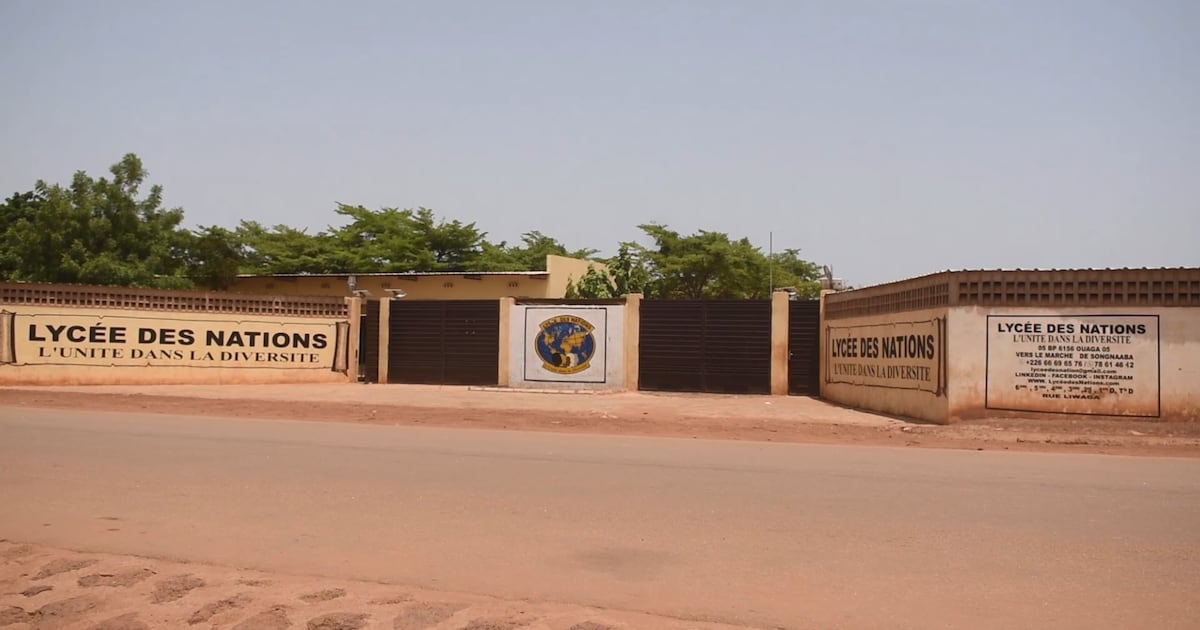
Parents in Burkina Faso are facing significant financial burdens due to escalating private school tuition fees, prompting discussions about potential government regulation. Alain Damiba, a local slam artist, strongly supports the move, stating, “The costs of schooling are so prohibitive that a cap would greatly alleviate the pressure on our families, helping them secure a good education for our children.”
However, the effectiveness of such a regulatory framework in truly easing parental strain remains a subject of debate. Some voices advocate for increased investment in public school infrastructure as the primary solution, while others believe that fee limitations could substantially reduce the financial burden on households across Burkina Faso.
Giles Sawadogo, a father, shares the sentiment that even a modest reduction would be impactful. “It would bring immense relief to parents, even if it’s just a 10,000 FCFA decrease,” he observes. “Life is incredibly challenging right now; nearly all market prices have surged, yet salaries have remained stagnant.”
When questioned about an ideal fee ceiling, many individuals surveyed proposed an annual cap ranging from 50,000 to 100,000 FCFA per student, varying by educational level and services provided. A significant number, however, expressed a preference for entirely free access to educational institutions.
Bassirou Gnaboné, a Master I Taxation student, envisions a system where education is universally accessible. “If we could attend school for free, that would be ideal. For university, we could also implement measures for more affordable fees,” he suggests. “Our nation requires more institutions, particularly in technical education. Constructing public schools and public universities would help balance the landscape and compel private establishments to reassess their tuition rates, knowing the public sector offers a broad alternative.”
Ultimately, some observers in Ouagadougou highlight that regulation alone cannot fully address the underlying issues. They argue that the state must significantly increase its investment in building public schools, recruiting qualified teachers, and upgrading existing infrastructure. This long-term strategy, they contend, is vital to diminish families’ heavy reliance on private education options in Burkina Faso.