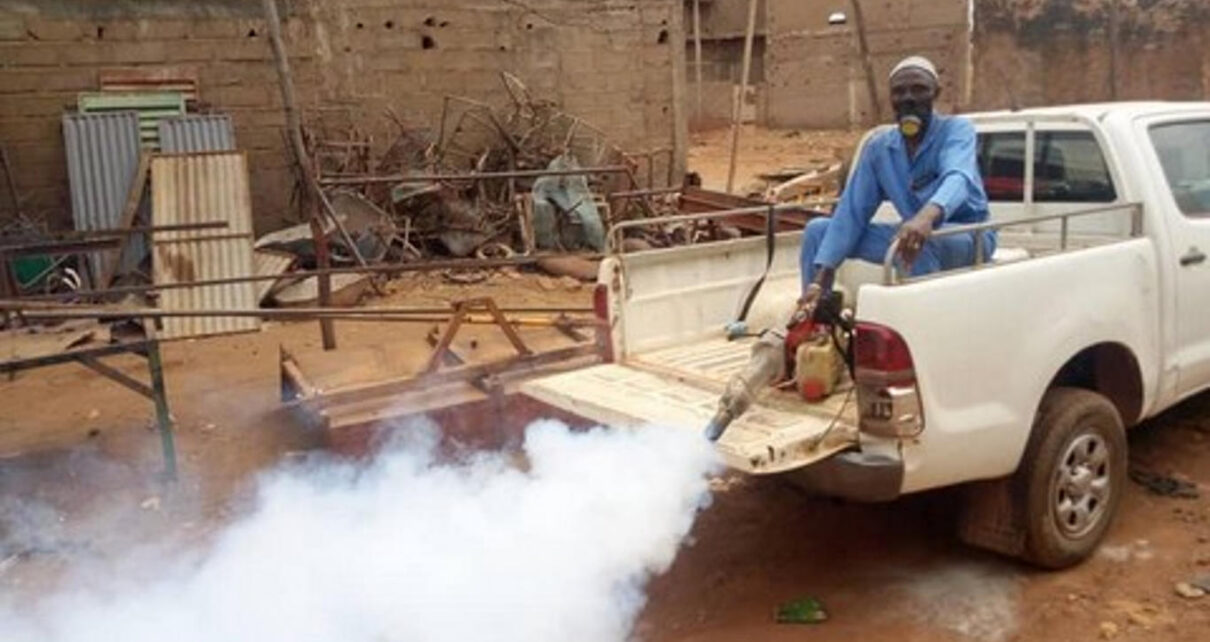
Mali faces growing dengue fever outbreak: what travelers need to know
The West African nation is experiencing a notable rise in dengue cases, with health authorities confirming 12 infections in Bamako and surrounding districts. While often overlooked due to symptom overlap with malaria, this mosquito-borne illness requires immediate attention.
Health authorities report that adult men account for the majority of cases, according to Kalif Keita, Deputy Director General of Public Health and Hygiene.

Dengue fever, a highly debilitating viral infection transmitted by infected mosquitoes, has been detected in Mali for the third time since 2008. The most recent cases emerged in Bamako’s urban areas and districts including Kalaban Coro and Koulikoro.
While symptoms often resemble those of malaria—fever, headaches, and body aches—dengue can lead to severe complications if left untreated. Public health experts warn that underreporting is likely due to limited diagnostic resources and symptom overlap between dengue and other tropical diseases.
Why is dengue becoming more common in Mali?
Dengue has surfaced in Mali before—in 2008, 2017, and 2019—suggesting persistent transmission cycles. The 2024 surge in neighboring Burkina Faso prompted Malian authorities to heighten surveillance, yet data remains scarce. Poor diagnostic infrastructure and overlapping symptoms with malaria and other febrile illnesses contribute to underdiagnosis across West Africa.
Prevention is now more critical than ever. Health officials urge residents and travelers to take precautions, especially during the rainy season when mosquito populations surge.
Key prevention tips for Mali visitors and residents:
- Use EPA-approved insect repellents containing DEET, picaridin, or oil of lemon eucalyptus
- Wear long-sleeved clothing during dawn and dusk, peak mosquito activity periods
- Stay in screened or air-conditioned accommodations to minimize exposure
- Eliminate standing water around homes and lodgings to reduce breeding sites
- Monitor symptoms closely—seek medical attention if fever, severe headache, or joint pain develops