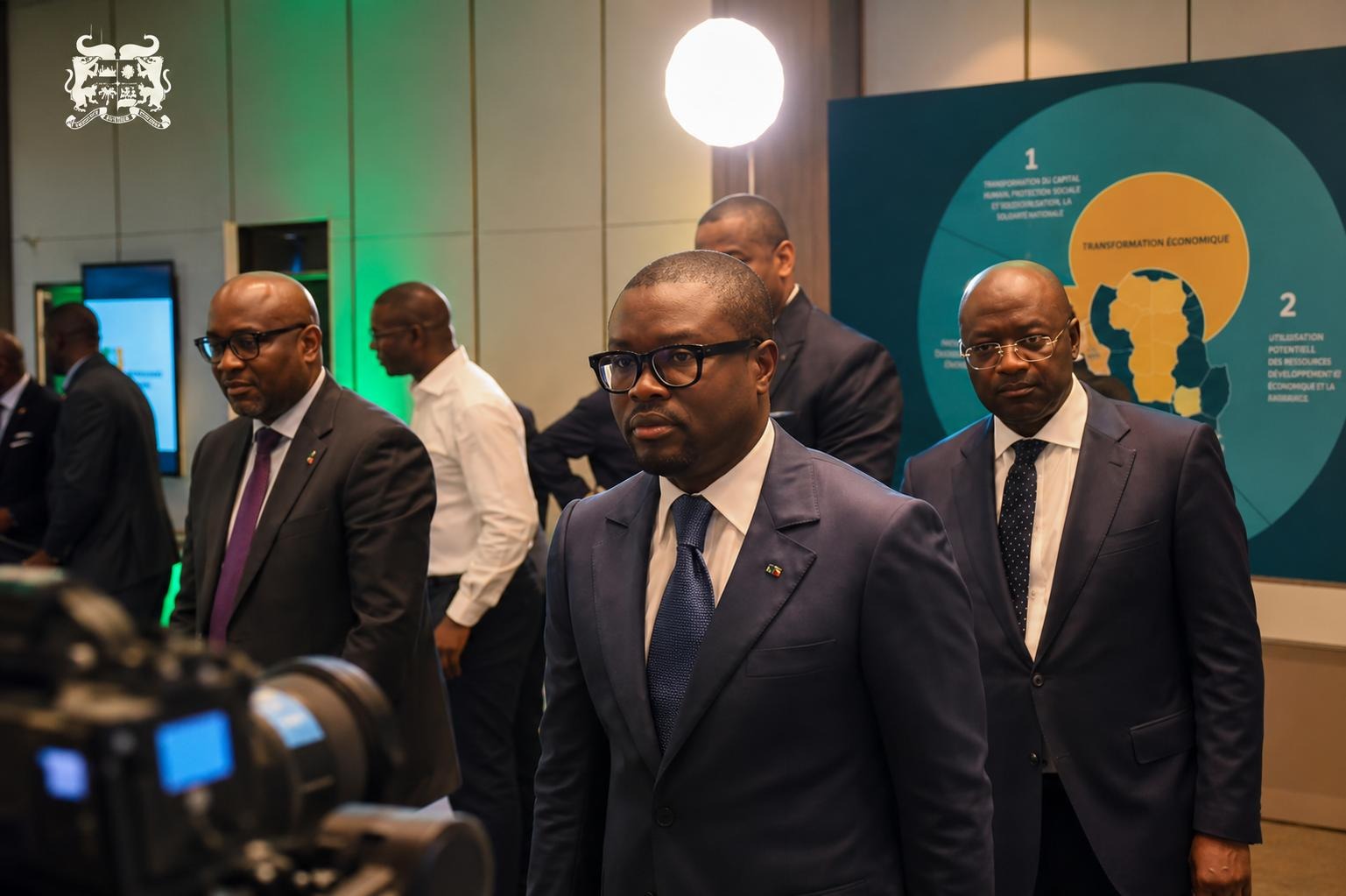
The Republic of Benin has taken a decisive step on the continental stage, with President Romuald Wadagni concluding a high-stakes 24-hour mission to Addis Ababa that set new benchmarks for economic diplomacy in Africa. The visit, marked by strategic engagements and bold declarations, underscored Cotonou’s growing influence in shaping the continent’s industrial and financial future.
From arrival to action: a day of high-level engagements
Touching down at Bole International Airport, President Wadagni received a full state welcome at the Presidential Pavilion, greeted by Ethiopia’s Vice Prime Minister Tiruneh Temesgen. The ceremonial reception signaled the depth of mutual respect between the two nations, both committed to Africa’s economic awakening. Within minutes, the Beninese leader dove into a packed agenda, beginning with a pivotal meeting at Afreximbank, where he met with the institution’s CEO, Dr. George Elombi. The encounter set the tone for deeper financial cooperation between Benin—a country widely recognized for its fiscal discipline and bold structural reforms—and the pan-African bank that champions intra-African trade.
Afreximbank forum: Benin’s industrial model takes center stage
The cornerstone of the visit was Wadagni’s keynote participation in Afreximbank’s high-level retreat, where he delivered a frank assessment of Africa’s industrialization challenges. Addressing a room of top bankers, economists, and policymakers, the Beninese President launched the debate with a provocative question: “Why do governments keep failing to industrialize?” He then unpacked the Benin model—highlighting the transformative success of the Glo-Djigbé Industrial Zone (GDIZ), now a continental benchmark for processing local raw materials such as cotton, cashew nuts, and soybeans.
“Industrialization is not a slogan—it’s iron discipline, coherent policy, and a stable business climate,” Wadagni declared, drawing applause for his no-nonsense approach. He also warned against common pitfalls: inconsistent public policies, mismatched vocational training, and over-reliance on imported inputs—pitfalls that continue to hinder Africa’s industrial ascent.
Strategic diplomacy at the Menelik Palace
The economic dialogue continued into the evening as President Wadagni met with Ethiopian Prime Minister Abiy Ahmed at the historic Menelik Palace. The two leaders engaged in a focused one-on-one session, later joined by their delegations to explore new avenues of collaboration. Priority areas included air transport and trade connectivity, leveraging Ethiopian Airlines as a regional hub and modernizing Benin’s infrastructure to facilitate smoother trade flows. They also discussed agricultural cooperation to boost high-value supply chains and pledged coordinated action in international forums to push for reforms in the global financial architecture. The meeting reflected Benin’s strategy to diversify its strategic partnerships, positioning Ethiopia as a key gateway to East Africa.
Benin’s voice gains weight in continental economic governance
By the time President Wadagni returned to Cotonou, the visit had transformed Benin’s image from a passive observer to a proactive architect of Africa’s economic agenda. His leadership at the Afreximbank retreat demonstrated that the country’s financial and industrial strategy is not only credible but influential. Speaking on equal terms with Africa’s financial heavyweights and East African leaders, Wadagni reaffirmed Benin’s rising voice in continental economic governance. In the diplomatic heart of Africa—Addis Ababa—Benin has firmly secured its place among the continent’s key decision-makers.