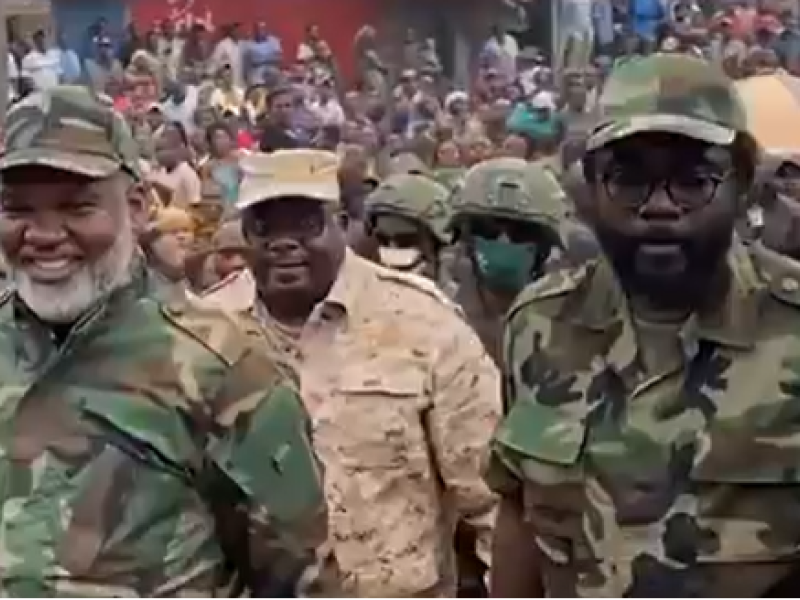
eastern DRC crisis: Rwanda’s military support to M23 rebels persists, UN report reveals
The ongoing conflict in eastern Democratic Republic of Congo has taken a new turn with fresh revelations from a United Nations expert panel. According to their latest findings, the Alliance of the Forces of Change (AFC) and its military wing, the March 23 Movement (M23), continue to receive substantial military backing from Rwanda’s armed forces.
The UN experts’ report, submitted to the UN Security Council in May 2026 and reviewed in June, documents the continuous presence of over 10,000 Rwandan Defence Forces (RDF) personnel in eastern DRC—particularly in North-Kivu and South-Kivu provinces. The report highlights several concerning developments:
- Sustained military engagement: RDF forces remain actively involved in combat operations alongside AFC/M23 rebels, including the deployment of advanced military technology and aerial warfare capabilities.
- Strategic positioning: RDF units have established forward operating bases and are conducting offensive maneuvers to support M23’s territorial expansion.
- Integrated combat units: RDF personnel are embedded within AFC/M23 battalions, with some even adopting M23 uniforms to conceal their identities. Troop movements are predominantly conducted under cover of darkness to avoid detection.
« The RDF’s involvement goes beyond logistical support,» the report states. « Their forces are directly participating in combat operations, providing critical air support, electronic warfare capabilities, and specialized commando units. This level of integration suggests a coordinated military strategy rather than mere logistical assistance. »
Contradicting Rwanda’s Defense Claims
The UN panel’s findings challenge Rwanda’s official narrative, which has consistently cited self-defense against the Democratic Forces for the Liberation of Rwanda (FDLR) as justification for its military presence in eastern DRC. However, the report notes that RDF operations have been documented in areas where no FDLR presence was reported, including Uvira—a clear contradiction to Kigali’s defensive claims.
Human Rights Violations and Regional Tensions
In a related development, the UN has formally identified the AFC/M23 as the primary perpetrator of human rights violations in eastern DRC. This designation comes amid escalating tensions between Kinshasa and Kigali, with both capitals interpreting the Washington Agreement—signed nearly a year ago—through diametrically opposed lenses.
The diplomatic impasse has been further complicated by stalled negotiations under the Doha Process (Qatar) and the Montreux Conference (Switzerland), which have failed to yield meaningful progress. The deteriorating security situation in the Middle East has further diverted international attention from the DRC crisis, delaying critical mediation efforts.
Humanitarian Crisis Deepens
The persistent military support to AFC/M23 rebels has exacerbated an already dire humanitarian situation in eastern DRC. Civilians continue to bear the brunt of the conflict, with reports of widespread displacement, resource depletion, and violations of international humanitarian law. The international community’s inability to enforce accountability mechanisms has further emboldened rebel factions and regional actors alike.
As the situation remains fluid, the UN’s latest report serves as a stark reminder of the urgent need for concerted diplomatic and military interventions to prevent further destabilization in the region.