The latest diplomatic move by Congolese President Félix-Antoine Tshisekedi Tshilombo, who sent a fresh written message to Togolese leader Faure Essozimna Gnassingbé, has triggered a wave of reactions and raised questions about what comes next in the stalled peace process in eastern Democratic Republic of Congo (DRC). The letter, delivered on Tuesday, September 29, in Lomé, has reignited debate over the viability of the African Union (AU) mediation led by Gnassingbé and the prospects for lasting stability in the region.
Why the new letter matters: reactions from stakeholders
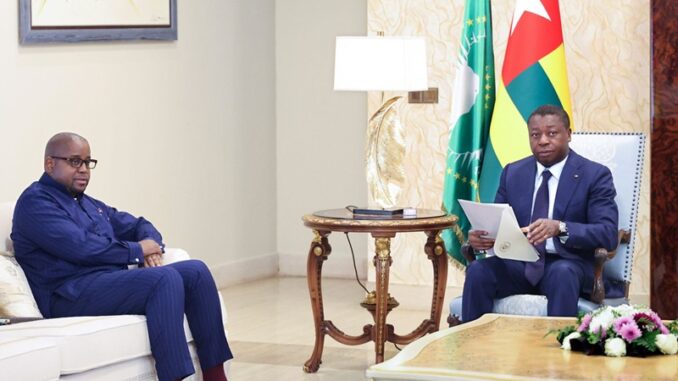
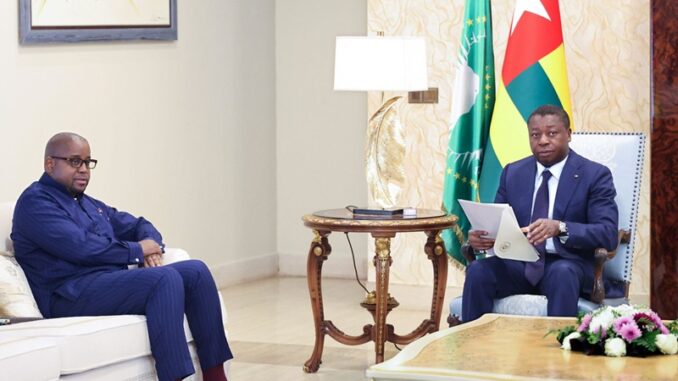
The message was handed over by Floribert Anzuluni, DRC’s Minister of Regional Integration, during an audience with Gnassingbé in Lomé. Anzuluni said the delegation was tasked with conveying a special message from Tshisekedi concerning the peace process in eastern DRC, where Gnassingbé serves as the AU mediator. The delivery of yet another official communication has prompted observers to ask whether this signals a renewed push or merely a repeat of previous diplomatic gestures that have yielded little on the ground.
Inside the meeting: demobilization and the path forward
During the talks, the Congolese envoys briefed Gnassingbé on progress made by Congolese authorities regarding the demobilization of armed groups, a key step toward consolidating peace in the restive east. The region has seen renewed clashes since late 2021, and the demobilization effort is seen as a critical test of the government’s ability to stabilize the area. The discussions in Lomé focused on how to translate these efforts into tangible improvements in security and how the AU mediation can support that goal.
Gnassingbé’s mediation: a mandate under scrutiny
Gnassingbé has led the AU mediation mission since April 2025, taking over from Angolan mediators. His mandate covers the security crisis in eastern DRC and the broader Great Lakes region. The challenges are immense: securing a durable ceasefire and achieving long-term stabilization have eluded peacemakers for months, despite parallel initiatives in Doha under Qatari mediation and in Washington under American mediation. The latest letter from Tshisekedi puts the spotlight back on Gnassingbé’s ability to break the deadlock and deliver results that previous efforts could not.
What comes next: expectations and obstacles
As the peace process enters another delicate phase, the key question is whether this new communication will lead to concrete action or become another footnote in a long series of diplomatic exchanges. The reactions so far suggest a mix of cautious optimism and skepticism. On one hand, the continued engagement between Kinshasa and the AU mediator indicates that both sides remain committed to a negotiated solution. On the other hand, the lack of a durable ceasefire and persistent instability in eastern DRC underscore the gap between diplomatic activity and realities on the ground.
For the populations in eastern DRC, the stakes could not be higher. The region has endured years of violence, displacement, and economic disruption. Any meaningful progress in the mediation process would have direct implications for their safety and livelihoods. However, without a clear breakthrough, the cycle of hope and disappointment is likely to continue. The coming weeks will be crucial in determining whether this latest letter marks a turning point or simply another step in a protracted and uncertain peace effort.