Ebola outbreak in DRC surpasses 2,000 deaths amid escalating crisis
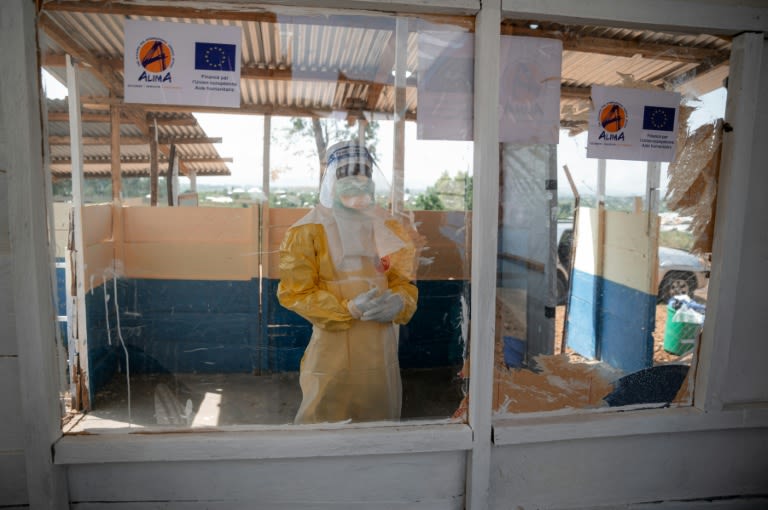
The Ebola outbreak ravaging the Democratic Republic of Congo (DRC) has now claimed over 2,000 lives, approaching the devastating toll of the 2018-2020 epidemic—the deadliest in the nation’s history. The current crisis has already been classified as the most severe in the country’s records and holds potential to become the most widespread globally, according to global health experts.
According to the latest official health report released Tuesday, the death toll stands at 2,011, with 4,381 confirmed cases. The grim milestone of 1,000 fatalities was surpassed on July 22, underscoring the relentless spread of the virus.
The previous Ebola outbreak, which lasted from 2018 to 2020, resulted in nearly 2,300 deaths out of 3,500 recorded cases. Health authorities report that the current epidemic carries a mortality rate of 45.9%, raising urgent concerns among international health organizations.
“We have not yet reached the peak,” warned Samuel Roger Kamba, the DRC’s Minister of Health, during a briefing shared on social media. He emphasized that efforts are intensifying to curb transmission, with projections suggesting a potential decline in new cases within the next three months.
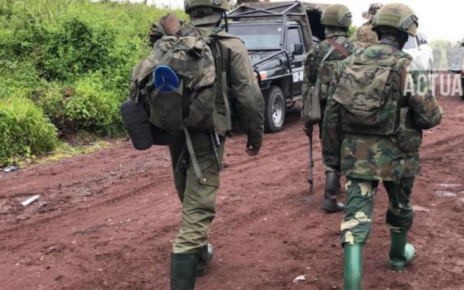
The ongoing insurgency by armed factions and deep-rooted public distrust have severely hampered containment measures across the affected regions. “Only 30% of infected individuals are being reached by health teams, while the remaining 70% are dying at home without medical intervention,” revealed Mohamed Yakub Janabi, the World Health Organization’s (WHO) Regional Director for Africa, during a press conference in Bunia, the capital of Ituri province.
“This is what makes the current Ebola outbreak uniquely challenging,” he added. The virus spreads through direct contact with bodily fluids, triggering severe hemorrhagic fever and posing grave risks to communities.
Vaccine trials offer hope amid escalating threat
In response to the crisis, WHO experts have recommended expediting clinical trials for the Ervebo vaccine—a single approved vaccine against Ebola—to evaluate its efficacy against the Bundibugyo variant currently circulating in the DRC. WHO Director-General Tedros Adhanom Ghebreyesus hailed the initiative as “encouraging news.”
Given the extensive safety data already available on Ervebo, experts propose advancing directly to Phase 3 trials, typically involving thousands of participants to assess effectiveness at scale. The global Ebola vaccine stockpile, managed by Gavi, the Vaccine Alliance, is slated to provide doses for these trials. The stockpile, produced by Merck, contains approximately 500,000 doses, with a portion maintained in the DRC due to the country’s recurring outbreaks.
Gavi, established in 2000, unites public and private donors to ensure affordable vaccine access for developing nations. Meanwhile, Canada has granted Moderna approval to initiate clinical trials for its Bundibugyo-specific vaccine candidate.
Two additional vaccine candidates are under development: the rVSV Bundibugyo vaccine, identified by WHO as the most promising and developed by Hilleman Laboratories, and a candidate from the University of Oxford, which administered its first dose to a volunteer in late July.
In a further show of international solidarity, the United States announced an additional $242 million in funding to combat the Ebola outbreak in the DRC. Over the past five decades, Ebola has claimed over 15,000 lives across Africa, with transmission driven by close contact and fluid exchange.

Related Articles