Long-awaited sanctions relief for General Olenga reshapes DRC’s economic future
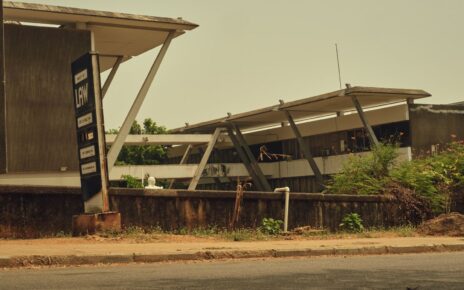
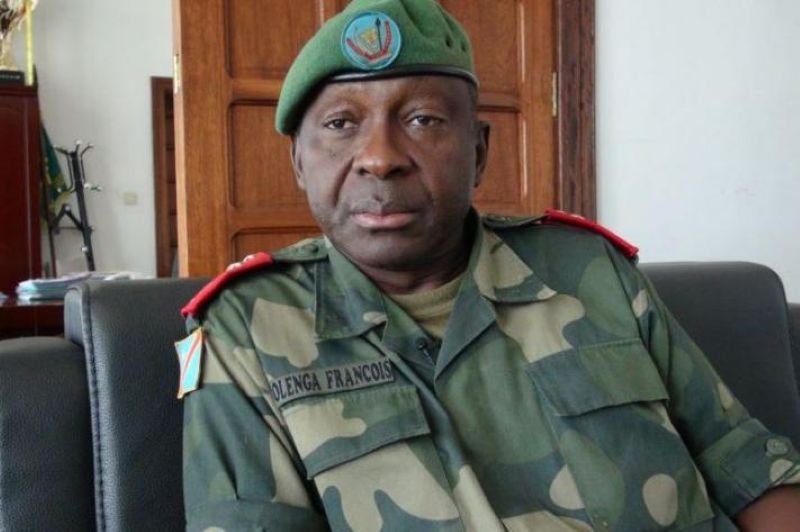
General Olenga’s removal from the U.S. sanctions list on September 23 clears the way for his Safari Beach complex to welcome American clients once again—an opportunity set to invigorate Kinshasa’s struggling hospitality sector. The decision, confirmed by the U.S. Treasury’s Office of Foreign Assets Control (OFAC), also removes restrictions that prevented General Olenga and his business associates from engaging in financial or commercial transactions with U.S. entities.
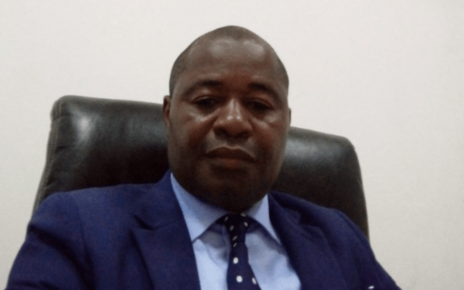
“The U.S. Department of the Treasury has officially notified OFAC’s decision to remove General François Olenga Tete and Safari Club from the American sanctions list,” announced his attorney, Aimé Kilolo Musamba, in a September 23 statement. “This marks the culmination of over nine years of relentless legal battles, advocacy efforts, and multiple trips to Washington to defend my client’s case.”
Kilolo emphasized that this victory underscores the potential of African legal expertise to navigate complex international legal systems. He urged Congolese authorities to develop a national sanctions framework, arguing that the DRC must reduce its reliance on foreign powers for security and financial measures. “The sovereignty of our nation lies in its ability to enforce its own laws and protect its citizens without external intervention,” he stated from Brussels.
How a 2017 sanction reshaped the DRC’s political and economic landscape
General Olenga was added to the U.S. sanctions list in June 2017, accused of undermining democratic processes during Joseph Kabila’s contested mandate extension. The Treasury alleged that his leadership of the Republican Guard contributed to political repression, including the harassment of opponents, arbitrary arrests, and interference with UN observers.
Consequences were immediate:
- General Olenga’s assets in the U.S. were frozen.
- Travel to the U.S. was prohibited.
- Safari Beach, a once-thriving entertainment hub in N’sele, saw a steep decline in foreign investment.
Economic ripple effects: what changes now?
With sanctions lifted, multiple sectors stand to benefit:
- Tourism & Hospitality: Safari Beach and other Kinshasa-based establishments can now attract American tourists and investors, boosting local employment and revenue.
- Trade & Investment: Congolese businesses previously barred from U.S. markets regain access to crucial financial and logistical partnerships.
- Diplomatic Relations: The move signals a potential thaw in U.S.-DRC relations, fostering better collaboration on security and governance.
However, skeptics warn that broader structural reforms are still needed to fully capitalize on this opportunity. “Lifting sanctions is a step forward, but the DRC must also address systemic issues like corruption and weak legal enforcement,” said a Kinshasa-based economist.
The broader implications for DRC’s sovereignty
General Olenga’s case highlights a long-standing challenge: the DRC’s overreliance on external powers for financial restrictions. Kilolo argues that the country must build its own legal and institutional capacity to impose targeted sanctions domestically.
This shift could reduce the DRC’s vulnerability to geopolitical pressures and empower its judiciary to address crimes—such as human rights violations in the East—without waiting for foreign intervention.
Key takeaway: The sanctions removal is more than a personal victory for General Olenga—it’s a strategic opportunity for the DRC to reclaim control over its economic and legal destiny.