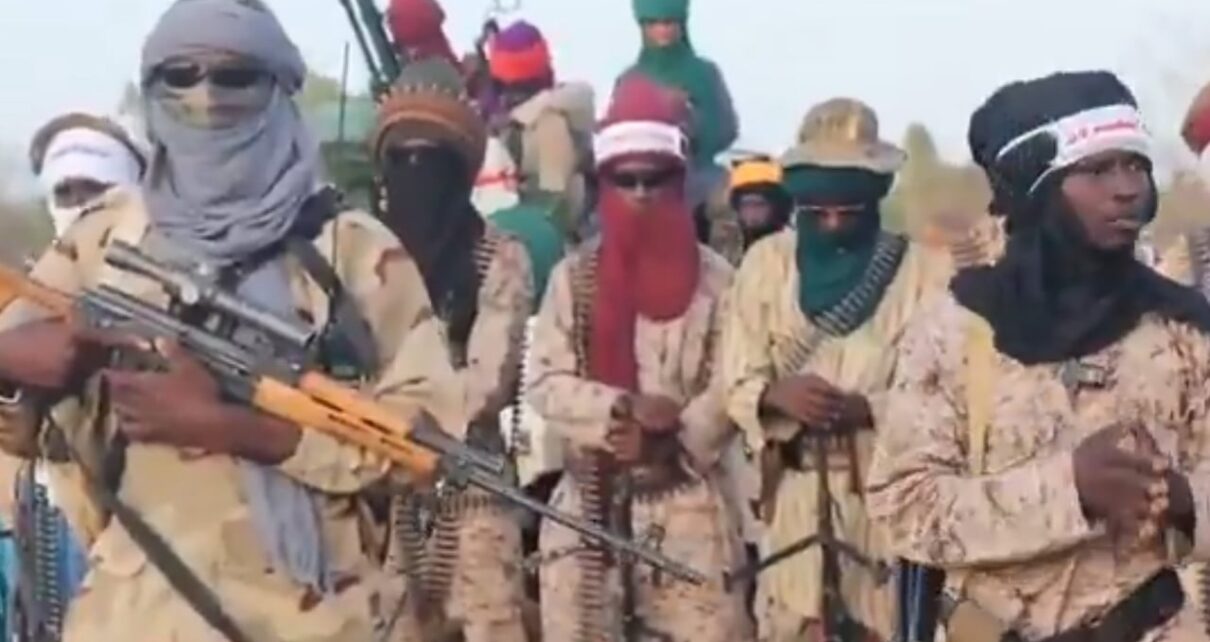

The Sahel is witnessing a dangerous transformation, with insecurity spreading from Mali deep into Niger and Nigeria, creating a volatile arc of conflict threatening regional stability.
The expanding threat: how violence is reshaping the Sahel
Once confined to northern Mali, jihadist groups have extended their reach across borders, exploiting weak governance and porous frontiers. This cross-border expansion has intensified attacks, forcing communities into cycles of displacement and economic hardship.
In the vast expanse of the Sahel, security vacuums have allowed armed factions to consolidate power, turning once-stable regions into hotspots of extremism. The situation demands urgent regional coordination to curb this escalating crisis.
Key factors fueling the Sahel’s fragmentation
- Weak institutional frameworks: many Sahelian states struggle with limited resources and fragile institutions, making it difficult to counter insurgencies effectively.
- Cross-border movements: militants exploit unmonitored borders to evade security forces, complicating counter-terrorism efforts.
- Economic despair: youth unemployment and poverty provide fertile ground for recruitment into extremist groups.
- Climate pressures: recurring droughts and resource scarcity exacerbate tensions, fueling competition and conflict.
The human cost: communities under siege
Civilians bear the brunt of this instability. Schools close, markets shutter, and entire villages flee as violence escalates. The humanitarian toll is staggering, with thousands displaced and aid organizations stretched thin. Rebuilding trust between communities and security forces remains a critical challenge.
What lies ahead: fragmentation or stabilization?
Without decisive action, the Sahel risks further fragmentation. Regional blocs like the Economic Community of West African States (ECOWAS) must strengthen cooperation, while international partners should prioritize sustainable development alongside security support. The time to act is now—before this crisis spirals further out of control.