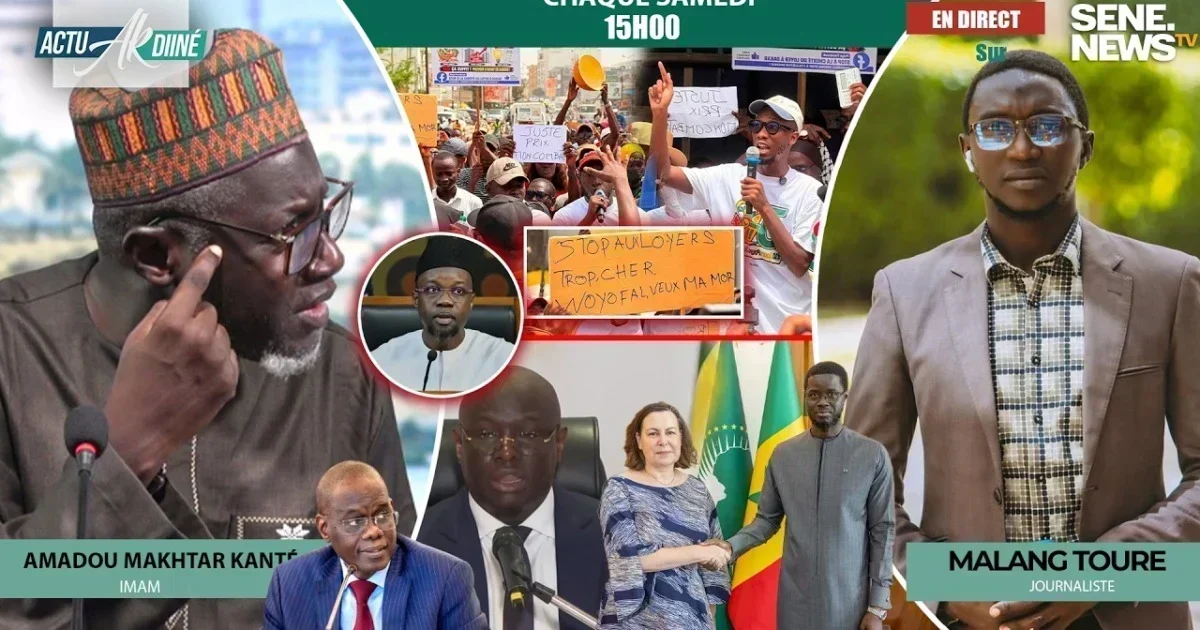
As debates intensify over financial resource management and economic sovereignty, this analysis sheds essential light on the decisions that lie ahead.
The recent approval of a substantial loan from the International Monetary Fund to Senegal has sparked widespread discussion, particularly regarding the ambitious initiatives championed by Prime Minister Ousmane Sonko. This financial backing, amounting to billions of dollars, is intended to revitalize the partnership between the country and the global lender, yet it raises critical questions about fiscal discipline, transparency, and the strategic allocation of these funds.
Sonko’s vision and economic priorities
Ousmane Sonko has long advocated for a more assertive economic policy, one that prioritizes national sovereignty and reduces dependency on external aid. His projects, which range from infrastructure development to social welfare enhancements, hinge on securing reliable funding sources. The IMF loan, therefore, represents both an opportunity and a challenge: while it provides immediate liquidity, it also comes with conditionalities that may test the government’s commitment to its reform agenda.
Supporters argue that the loan is a necessary step to bridge fiscal gaps and stimulate growth, especially in sectors like agriculture, energy, and digital transformation. Critics, however, caution against over-reliance on international borrowing, fearing that debt servicing could constrain future budgets and undermine long-term economic independence.
Political tensions and public scrutiny
The announcement of the loan has not been without political friction. Opposition figures have questioned the timing and terms of the agreement, calling for greater parliamentary oversight and public debate. In response, government officials have emphasized the loan’s favorable interest rates and extended repayment period, insisting that it aligns with the nation’s development goals.
This financial decision comes at a time when political tensions are palpable, with recent sessions in the National Assembly marked by heated exchanges and calls for accountability. The management of the loan proceeds will likely become a central issue in upcoming political battles, as both sides seek to claim credit or assign blame for the country’s economic trajectory.
Looking ahead: balancing sovereignty and cooperation
As Senegal navigates this complex financial landscape, the key will be to balance the immediate benefits of international cooperation with the imperative of safeguarding national interests. The government’s ability to implement transparent mechanisms for fund utilization and to demonstrate tangible results will be crucial in maintaining public trust and securing future partnerships.
Ultimately, the IMF loan is more than a financial transaction; it is a test of governance, economic strategy, and political will. The coming months will reveal whether Senegal can leverage this support to achieve sustainable growth while staying true to its sovereignty aspirations.