Under the banner of breaking colonial ties and diversifying partnerships, the transitional regime’s strategic and financial decisions in Burkina Faso prompt a critical question: is the nation genuinely achieving independence or merely switching patrons?
Since Captain Ibrahim Traoré assumed leadership, the rallying cry in Ouagadougou has been unambiguous: the restoration of national sovereignty. This compelling narrative has resonated strongly with a younger generation eager to shake off the influence of the former colonial ruler, France. However, the intensive and unconditional alignment with Russia is exposing cracks in this vision. Instead of the independence that was pledged, Burkina Faso’s trajectory now seems to mimic a shift in dependency—economic and military—casting doubt on the authenticity of its much-touted sovereignty.
The financial asymmetry comes at a steep price. Recent discussions about mechanisms to secure and manage national assets, especially the gold industry—which contributes roughly 80% of export earnings—underscore the country’s profound vulnerability. By entering into deals where Russian counterparts impose hefty financial or logistical conditions, Ouagadougou undermines its own economic stability. Transferring command, storage, or mining rights of its raw materials to foreign entities, under the guise of protecting them from the West, amounts to a historic error. A sovereign nation does not safeguard its riches by submitting to another economic superpower; it builds the internal capacity for self-reliance. Paying Moscow a premium to shield Burkina Faso’s mineral wealth is not cooperation; it is a tribute.
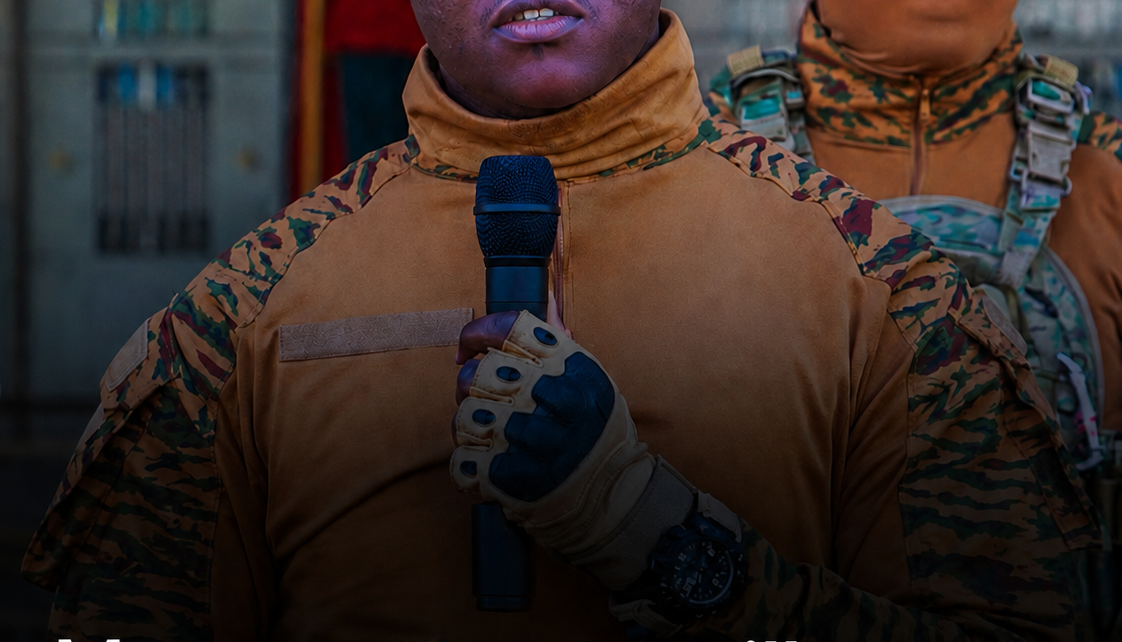
On the security front, the picture is equally troubling. The strategic shift toward Russia, exemplified by the arrival of instructors and paramilitary units (the former Wagner group, now rebranded as Africa Corps), was intended to swiftly reverse gains made by terrorist armed groups. Yet the expense of this military backing is staggering relative to the national budget, and tangible results remain elusive—as underscored by a series of exceptionally brutal assaults on Burkina Faso’s security forces. By entrusting the nation’s security destiny to the Kremlin’s geopolitical calculations—especially while Russia is absorbed in its own conflicts—Burkina Faso assumes a dangerous position of dependence. Should Moscow change its priorities or increase its financial demands, Ouagadougou would have few cards to play.
The sharpest criticism is directed at the regime’s doctrinal contradictions. How can the justified rejection of Western paternalism be reconciled with embracing Moscow’s opportunistic imperialism without due diligence? “Swapping one guardian for another has never constituted liberation. It is an admission of weakness.” Russia’s moves in Africa are not driven by altruism or anti-colonial solidarity. They aim to circumvent international sanctions, secure access to strategic resources, and create diplomatic leverage against the West. In leaping from Paris to Moscow, Burkina Faso has not shattered its chains—it has merely traded one jailer for another.
Moreover, this exclusive alignment with Russia isolates Burkina Faso on both regional and international stages. By cutting ties with traditional funding sources and alienating several neighboring countries, the transitional government severely limits its options. A genuinely sovereign nation diversifies its partnerships to balance external influences; it does not entrench itself in a one-sided bilateral relationship where it remains a perennial petitioner. For the people of Burkina Faso, the reckoning may be harsh. Sovereignty is not gauged by fiery anti-Western speeches but by the tangible capacity to chart one’s own course without external approval—be it from Paris, Washington, or Moscow. By handing over the nation’s crown jewels and subcontracting its security to Russia, the current leadership is mortgaging the real independence of Burkina Faso for years to come.