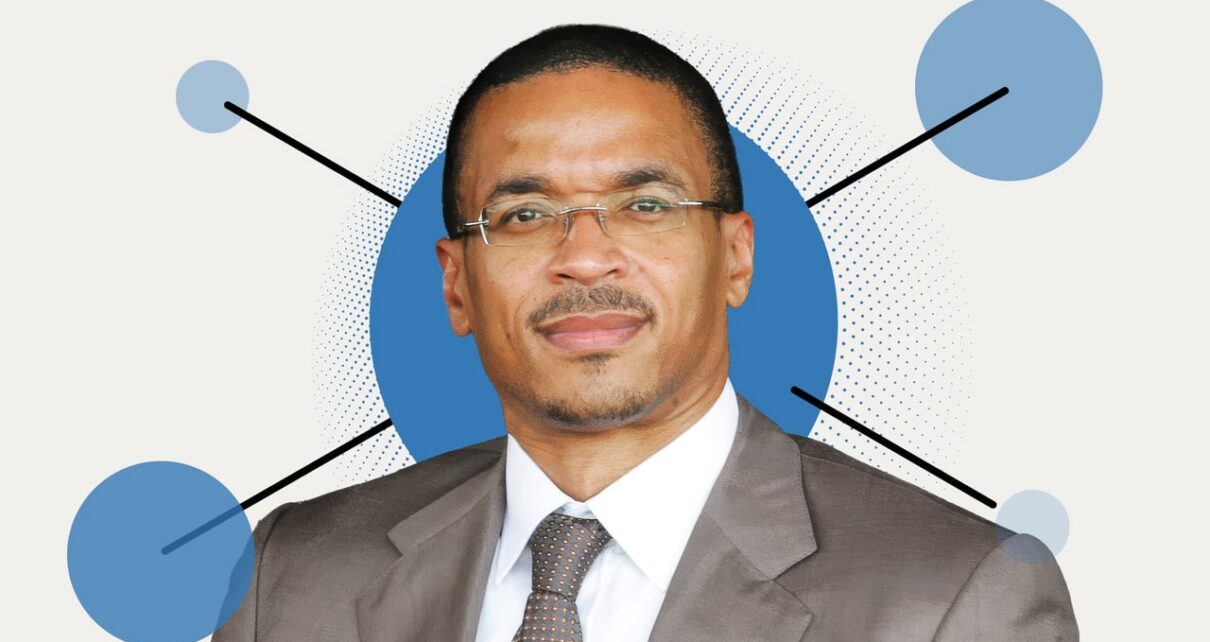
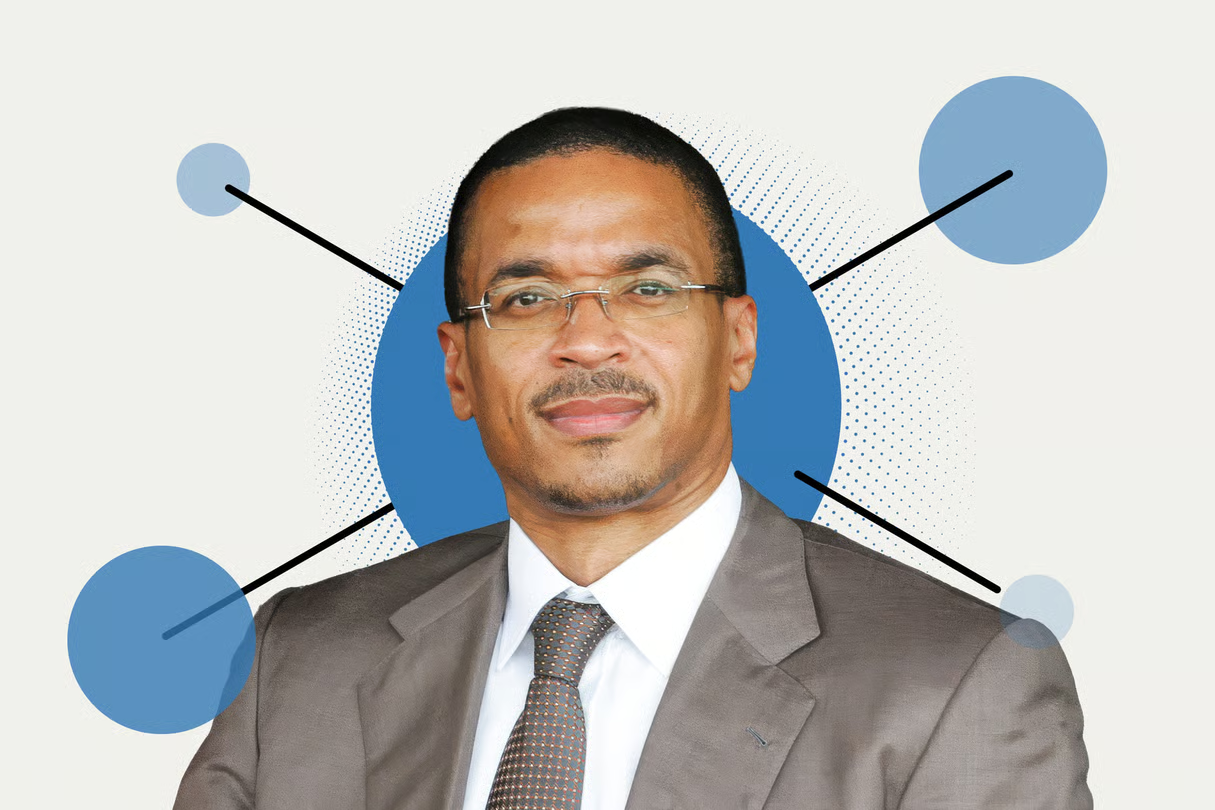
Franck Biya: A Rising Star in Cameroon’s Political Arena
Cameroon’s political scene is witnessing a notable shift as Franck Biya, son of the incumbent President Paul Biya, gains increasing prominence. With his deep ties to the ruling establishment and growing public recognition, he is being positioned as a leading contender for a key government role.
From Privileged Background to Political Influence
Born into Cameroon’s most influential family, Franck Biya has long been a figure of interest within political circles. His strategic positioning and connections have positioned him as a potential successor or influential figure in the country’s governance structure.
As discussions around Cameroon’s future intensify, Franck Biya’s name frequently surfaces in conversations about leadership transitions and policy direction. His involvement in high-level discussions suggests a deliberate effort to integrate him into the nation’s political fabric.
Public Perception and Political Speculation
The potential vice-presidency of the Republic has become a focal point of debate, with many speculating on Franck Biya’s suitability for such a role. His close association with the presidency, coupled with his understanding of Cameroon’s administrative landscape, makes him a compelling candidate.
The media has highlighted his rising influence, with reports suggesting that his profile is being carefully cultivated to align with national strategic goals. Whether through formal appointments or behind-the-scenes influence, his role in shaping Cameroon’s future appears increasingly pivotal.
Implications for Cameroon’s Political Landscape
The emergence of Franck Biya as a central figure in Cameroon’s political narrative reflects broader trends in governance and succession planning. His rise underscores the interconnected nature of power structures within the country, where family ties and institutional influence often intersect.
As Cameroon navigates evolving political dynamics, the positioning of Franck Biya serves as a barometer for stability and continuity. His integration into key decision-making processes could redefine the country’s leadership trajectory in the coming years.