From Republic to the Lone Star State: a controversial wire transfer raises alarms
A wire transfer of $17.6 million, originating from a Congolese government account and landing in the coffers of a Texas defense firm, is now under the microscope in Washington. As the White House scrutinizes the transaction, the opacity surrounding its origins, intended use, and beneficiaries is laying bare questions about accountability in Kinshasa and ethical lapses in U.S.-Africa financial dealings.
The funds were allegedly sent from a Congolese Ministry of Finance account to Texas Armament & Technology (TX-AT), a defense contractor based near Houston, on May 29, 2025. Within weeks, the transfer became the centerpiece of a political storm, not only because of its size and timing, but because of who it touched: a high-profile figure in Donald Trump’s inner circle and an earmarked cultural donation that never materialized.
Where did the money go—and where was it supposed to go?
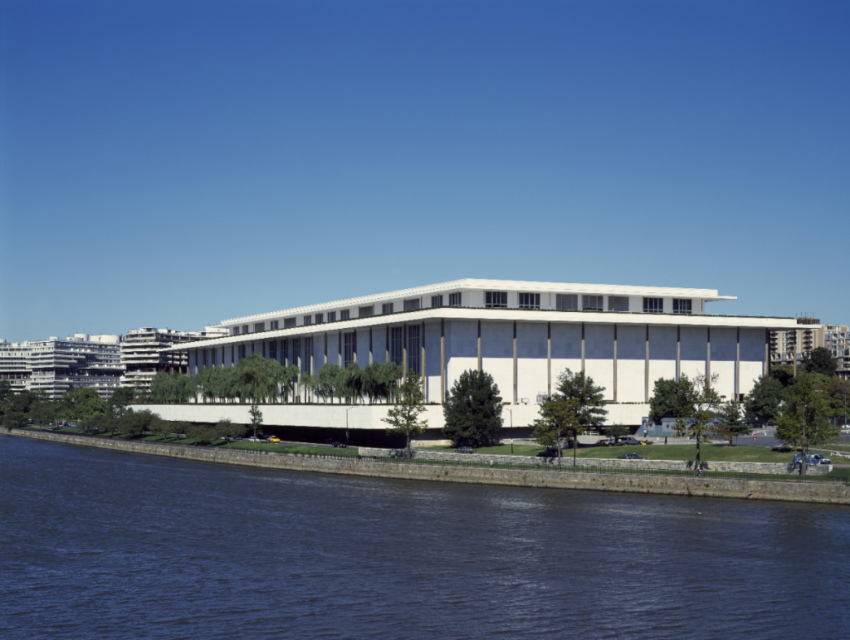
According to multiple accounts published in U.S. media outlets, approximately $5.6 million of the $17.6 million was supposed to reach the Kennedy Center, where Richard “Ric” Grenell served as chairman during the period in question. Grenell, a former U.S. ambassador to Germany and longtime Trump ally, has publicly denied any wrongdoing and insists the funds were part of a legitimate business transaction.
Yet the Kennedy Center has stated it never received the expected donation. The discrepancy between intended and actual allocation has fueled speculation of fund mismanagement or worse—underscoring the lack of transparency in how public money moves between continents and institutions.
A missing cultural grant and a trail of unanswered questions
The timeline remains sparse on official documentation. There are no public records confirming a contract, invoice, or formal agreement between the Congolese government, TX-AT, and the Kennedy Center. Prosecutors and auditors would likely demand to see:
- The wire transfer authorization from the DRC Ministry of Finance
- A formal contract between the Congolese state and TX-AT
- Receipts or delivery confirmations from the Kennedy Center for the $5.6 million
- Written communications between Grenell and any Congolese officials involved
Without these documents, the narrative hinges on anonymous reports and secondhand accounts—leaving lawmakers, watchdog groups, and the Congolese public in the dark.
Grenell’s defense—and the political storm around it
Ric Grenell has categorically rejected claims that he or his network pressured the DRC government for favorable treatment in exchange for cultural funding. In a statement obtained by the press, he called the allegations “false and defamatory,” emphasizing that TX-AT’s contract was independently negotiated and fully compliant with U.S. law.
Yet the timing—shortly after Grenell’s appointment to a senior role in Trump’s 2024 transition team—and the large sum involved have intensified scrutiny. Critics question whether Grenell leveraged his proximity to power to secure a lucrative deal that ultimately benefited his professional network, rather than Congolese citizens.
What was TX-AT contracted to deliver?
Publicly available filings show TX-AT specializes in defense logistics, aviation maintenance, and tactical equipment supply. However, no official record links this transaction to any defense-related deliverable to Kinshasa. The absence of a clear quid pro quo raises concerns that the funds were diverted from their stated cultural purpose—or, worse, used to finance influence operations.
Kinshasa’s accountability deficit in the global spotlight
The Congolese government has not issued a detailed statement on the transaction. But the episode spotlights long-standing concerns about governance in the DRC: weak fiscal oversight, opaque procurement processes, and limited public access to financial records.
Under such circumstances, even routine transfers can become conduits for corruption. The current scandal may serve as an urgent reminder to Kinshasa that international investors, donors, and regulators expect verifiable trails and ethical conduct. Failure to open the books could undermine investor confidence—and trigger sanctions or diplomatic fallout.
The role of foreign intermediaries
One complicating factor is the presence of Turhan Mildon, a Turkish business figure with business interests in the DRC through his firm Milvest. While Mildon’s name does not appear on any public contract tied to the $17.6 million transfer, his earlier investments in Congolese infrastructure offer a potential bridge between Texas and Kinshasa. Watchdogs are now asking whether intermediaries facilitated the flow of funds—and if so, under what terms.
Legal and diplomatic ripple effects loom large
If the White House inquiry substantiates irregularities, the fallout could extend far beyond TX-AT. The DRC risks reputational damage, potential disgorgement of funds, and even suspension of development aid. U.S. agencies may intensify due diligence on all transactions involving Congolese public funds, delaying critical infrastructure projects.
For Grenell, the stakes are personal. A finding of impropriety could force his recusal from future advisory roles and tarnish his legacy as a bridge-builder between Washington and African capitals. For the Kennedy Center, it risks eroding donor trust at a time when arts funding faces growing political pressure.
What’s next? The evidence—and justice—lie in the documents
As investigations proceed, the burden of proof rests on verifying the chain of custody: from the original Congolese wire order, through intermediary accounts if any, to the final beneficiaries. Accountants, forensic auditors, and congressional investigators will need to reconstruct a paper trail that may not yet exist.
The affair underscores a broader truth: in the era of global finance, opaque transfers do not simply vanish—they resurface as scandals, crises of trust, and reminders that public resources demand transparency at every stage.
Until then, the Congolese taxpayer and American democracy watchers alike are left asking the same urgent question: where did the $17.6 million go—and what does it cost us all?