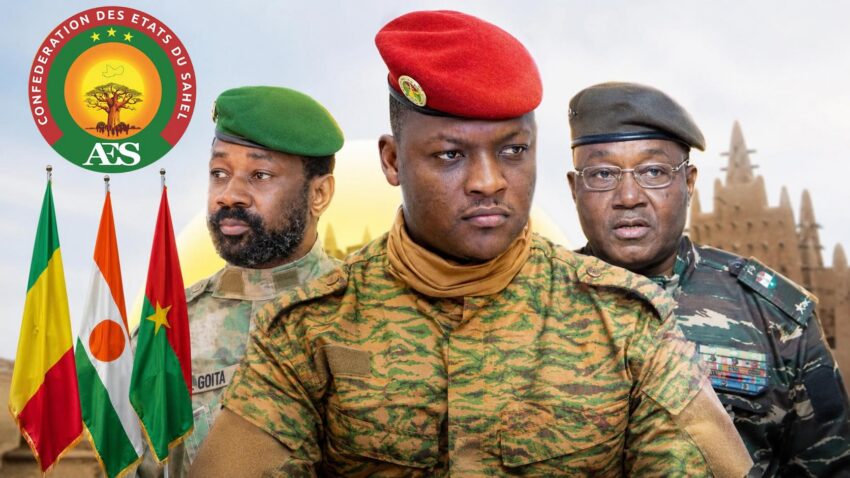
The military regimes of Mali, Burkina Faso, and Niger rode to power on a promise: shed the shackles of Western influence and reclaim sovereignty. But as the Africa Corps—Russia’s public face of the Wagner Group—replaces French forces, the cost of this pivot is becoming impossible to ignore. What began as a bold declaration of independence now risks becoming a new form of colonial debt—this time, paid in dollars, in blood, and in surrendered control.
Failed promises of autonomy: the Russia-Sahel security deal
The narrative was simple: oust Western powers accused of neo-colonialism and restore national dignity. Between 2021 and 2023, coups in Bamako, Ouagadougou, and Niamey were framed as acts of liberation. Public demonstrations echoed resistance to outside interference, and official statements denounced France’s military presence as an obstacle to peace and development.
In September 2023, the Alliance of Sahel States (AES) codified this shift with a mutual defense pact. At the time, leaders sold the agreement as a bold step toward self-determination. Today, that promise is under scrutiny—not for its political audacity, but for the price it extracts from impoverished nations already buckling under insurgency, drought, and economic strain.
Mali’s Costly Security Gamble: One Billion Dollars Later
Nowhere is the financial freeze clearer than in Bamako. Since 2021, Mali has transferred more than $1 billion to Wagner—now operating under the Russia Africa Corps banner—according to regional security analyses. That equates to roughly $10 million per month, a sum exceeding the country’s annual health budget in several fiscal years. The payments, made publicly through state coffers, fund salaries, logistics, and combat operations, all under the guise of restoring territorial control.
Unlike neighboring Burkina Faso or Niger, where Russian support primarily involves training and advisory roles, Africa Corps fighters in Mali are deployed on the front lines. Investigations indicate no direct mining concessions have been granted in exchange for this costly intervention—meaning Mali’s defense budget is effectively subsidizing a foreign army’s campaign against insurgents it cannot defeat alone.
Security Collapse Deepens Despite Foreign Boots on the Ground
Despite the influx of Russian mercenaries and their official rebranding, the security situation in Mali has worsened. In April 2026, Africa Corps forces retreated from the strategic city of Kidal under rebel pressure. Within months, rebel groups reclaimed key towns like Tessalit, Anéfis, and Aguelhok, reclaiming territory in the remote north. In the Gao and Ber regions, government authority exists only in enclaves around urban centers. Villages, markets, and rural roads remain under the shadow of jihadist armed groups.
Think tanks warn that absent a political solution, the current trajectory may soon demand “a negotiated settlement with armed factions”—a humiliating admission that external force alone cannot restore order. The Africa Corps has proved capable of securing urban corridors, but it cannot hold the hinterland without owning the population’s trust—a trust eroded by heavy-handed tactics and civilian casualties.
Sovereignty on Paper, Subjugation in Practice
The paradox is stark. The military juntas have succeeded in swapping Western strings for Russian ones—exchanging one form of dependency for another. While Bamako has diversified arms suppliers—turning to Turkey for drones, Iran for missiles, and China for logistics support—the core of operational defense remains outsourced to foreign combatants whose loyalty lies with Moscow, not the Malian people.
International analysts now classify this arrangement as a “de facto protectorate”. The AES retains symbolic sovereignty—the freedom to reject Western demands and choose its allies—but loses real operational control. The Africa Corps does not answer to local commanders; it answers to the Kremlin. Its withdrawal would collapse the regime’s military capacity overnight. In essence, these fragile states have traded one form of domination for another—swapping colonial oversight for a modern, monetized version ruled from abroad.
As one policy expert noted, “They shout ‘Death to France,’ but the bill still comes from Moscow.”
From Cold War to Cost War: A Dangerous Precedent
History offers a cautionary mirror. During the Cold War, countries like Angola and Ethiopia relied on Soviet and Cuban support to prop up their regimes. When that aid dried up, the fragility of those states became undeniable. The Sahel today mirrors that pattern: inflated defense contracts, hollowed-out institutions, and an economy drained by militarization.
The critical question now is whether the Sahel will repeat the past—or finally break the cycle. Can these states build self-sustaining defense systems? Or will they remain trapped in a cycle of dependency, where sovereignty is measured not in freedom, but in payments made on time?
The Path Forward: Lessons from the Ground
Observers point to three immediate avenues:
- Reclaim the security narrative: Return combat roles to national forces, using foreign support only for training and intelligence—not frontline combat.
- Invest in local defense industries: Prioritize domestic production of armored vehicles, drones, and munitions to reduce reliance on outsiders.
- Reconcile with communities: A military approach alone cannot end insurgency. Grassroots dialogue and resource sharing are vital to regain legitimacy in the countryside.
The Russia-AES alliance began as a bold rebuke to Western influence. Today, it risks becoming a financial and strategic trap—one that may cost these nations their stability, their economy, and ultimately, their sovereignty.