Gabon asserts control over its marine resources with bold new fishing policy
Libreville, June 17, 2026 – With the expiration of the sustainable fishing partnership agreement between Gabon and the European Union just days away, the Gabonese government has taken a decisive step to reclaim control over its marine resources. Authorities announced they would not renew the current agreement, widely viewed as heavily skewed in favor of foreign interests.
This decision marks a turning point not only in Gabon’s fishing sector but also in its broader economic strategy. The move reflects a growing continental trend where African nations are increasingly prioritizing local value creation and demanding greater transparency in the exploitation of their natural resources. Gabon’s action sends a strong signal about its commitment to economic sovereignty and sustainable resource management.
A shift away from an unequal partnership
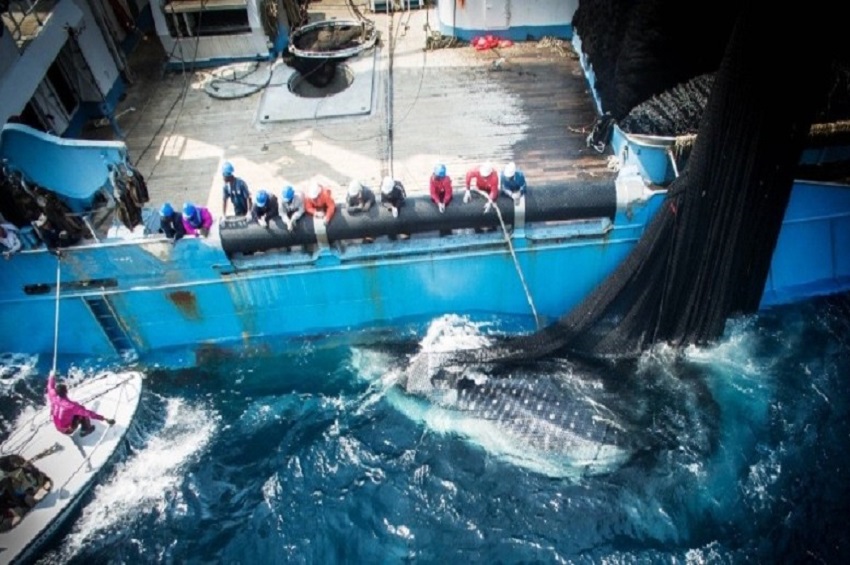
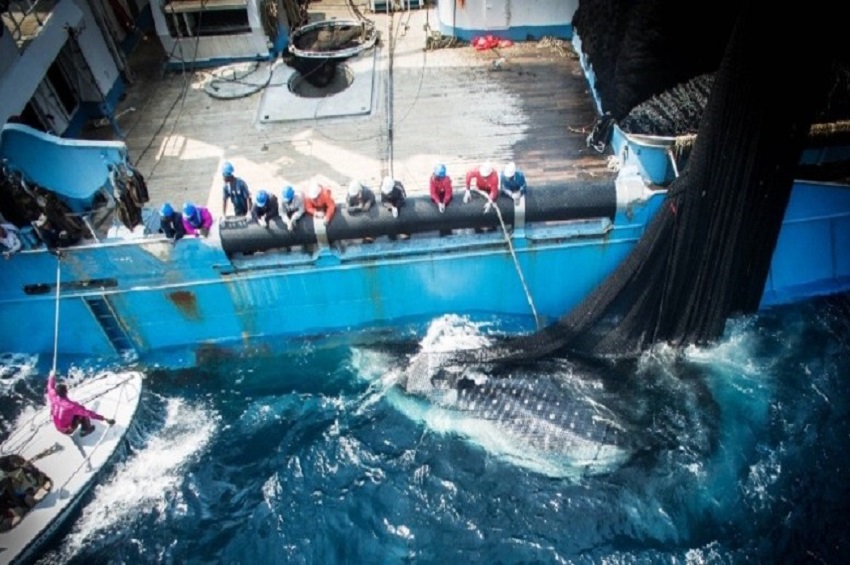
The existing agreement, which expires on June 28, 2026, has long been criticized for its lack of balance. While Gabon’s waters are among the richest in the Gulf of Guinea—home to vast tuna populations—the financial compensation provided by the European Union amounted to just €2.6 million annually. Local authorities argue this figure fails to reflect the true economic value of the catch, which runs into tens of thousands of tons each year.
Beyond financial disparities, the agreement has placed an unsustainable burden on Gabon. The country bears the costs of monitoring and securing its exclusive economic zone, while the primary benefits—processing, transformation, and commercialization—occur outside its borders. Gabonese officials emphasize that this model has left the nation on the sidelines of the value chain, exporting raw fish rather than capitalizing on the full potential of its marine wealth.
Building a local fishing industry
The decision to terminate the agreement is part of a broader national strategy to develop a competitive domestic fishing industry. After making strides in sectors like timber, mining, and hydrocarbons, Gabon is now turning its attention to fisheries as a key driver of economic diversification. The goal is clear: create jobs, attract industrial investment, and increase public revenue through local processing and value addition.
This approach aligns with recommendations from African economic institutions, including the African Development Bank, which highlight the continent’s annual losses of billions of dollars due to the lack of local marine resource processing. With over 800 kilometers of coastline and one of the largest maritime zones in the region, Gabon is uniquely positioned to lead this transformation.
Prioritizing sustainability and transparency
The Gabonese government’s stance is not solely economic; it is also rooted in environmental and governance concerns. Authorities point to the risks of overfishing and the absence of robust control mechanisms in the current system. These concerns mirror growing global awareness of the need to protect marine ecosystems, particularly in regions where tuna stocks are under pressure.
By refusing to renew the agreement without significant reforms, Gabon is setting new standards for future partnerships. Any future deal must now include stricter sustainability criteria, enhanced traceability of catches, and concrete commitments to local value creation. This move underscores a broader shift in Africa, where nations are no longer willing to be passive suppliers of raw materials but are demanding an active role in shaping the terms of resource exploitation.
The Gabonese decision could set a precedent for other African countries grappling with similar challenges. It sends a clear message to international partners: access to Africa’s natural resources must be contingent on respect for sovereignty, transparency, and shared economic benefits.
As the continent seeks to build a more integrated and autonomous economy, Gabon’s choice exemplifies a fundamental shift. The country is no longer content to export its wealth; it is determined to control its destiny.

Related Articles