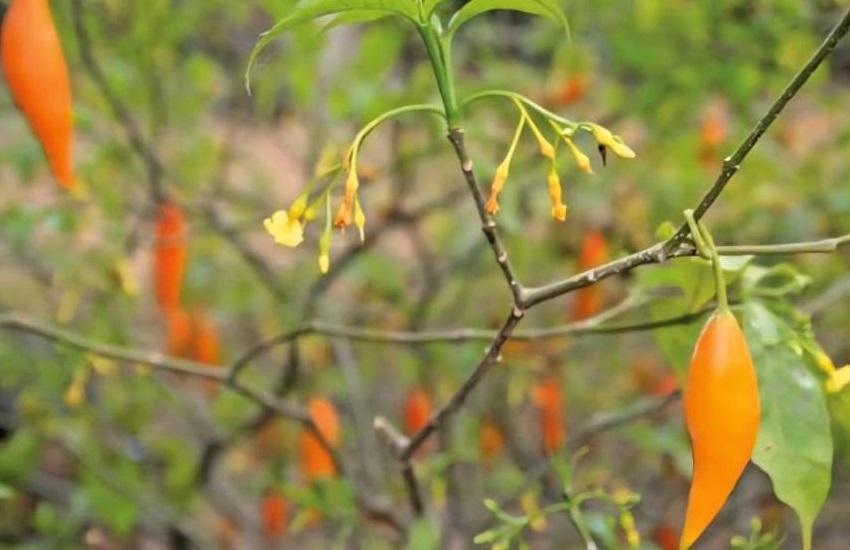
Gabon asserts sovereignty over iboga, requiring authorization for exploitation
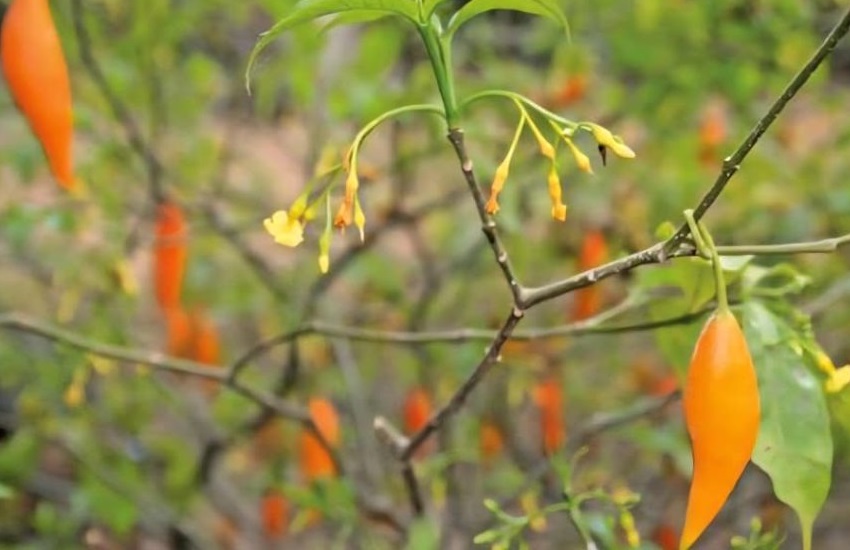
Libreville, Wednesday, June 10, 2026 – Gabon is tightening its grip on access to its sacred Iboga plant, opening a new chapter in the global contention over cultural resources.
For generations, Iboga has been revered as a spiritual treasure, primarily within the Bwiti initiatory communities. Now, this emblematic plant is entering a new era. By mandating prior state authorization for all activities related to Iboga, Gabon has taken a significant step toward safeguarding its biological, cultural, and economic heritage.
The decree, issued on May 22, 2026, represents far more than a mere administrative reform. It underscores a crucial matter of national sovereignty, intellectual property, and control over a resource whose global value continues to escalate.
Through this decisive action, Libreville aims to reassert authority over a strategic asset highly sought after by international scientific, therapeutic, and industrial sectors. However, this ambition also prompts a fundamental question: how can Iboga be protected without undermining the very traditions that have preserved it for centuries?
A sacred plant becomes a global stake
Decree n°0239/PR/MJSRCAVA marks a historic turning point. From this point forward, any activity concerning Iboga, its derivatives, or associated traditional knowledge requires authorization from the Ministry of Culture, as emphasized in a communiqué on June 8. This approval follows a favorable opinion from an inter-ministerial technical commission.
This regulatory framework applies equally to Gabonese citizens and foreign operators. It encompasses scientific research, processing, exploitation, commercialization, and even the utilization of traditional knowledge linked to the plant.
This measure comes amidst a distinctive international landscape. For several years, Iboga has garnered attention from researchers due to its potential properties in treating addictions and certain psychological disorders. In the United States, Europe, and various Asian countries, specialized laboratories and centers are intensifying studies on ibogaine, the primary alkaloid extracted from the plant.
In response to this surge in global demand, Gabonese authorities are concerned about the uncontrolled appropriation of a heritage that stands as one of the most potent symbols of the nation’s cultural identity.
Cultural sovereignty facing implementation challenges
In principle, few dispute the necessity for more stringent oversight. For decades, the absence of clear regulations facilitated forms of exploitation that were poorly controlled, sometimes at the expense of communities holding traditional knowledge.
The new legal framework also aligns with a trend observed across several African nations. A growing number of states are striving to protect their genetic resources and ancestral knowledge from biopiracy and external appropriation. Yet, the central challenge remains its practical application.
Iboga is not merely an agricultural product or a natural resource. It lies at the heart of spiritual practices deeply embedded in Gabonese society. Hundreds of initiators, healers, and religious leaders use it daily in contexts that often fall outside conventional administrative channels.
In the country’s interior provinces, where traditions remain particularly vibrant, state presence can be limited. Consequently, the actual capacity of administrative bodies to identify, monitor, and support all involved stakeholders emerges as one of the primary hurdles for this reform.
A strategic choice for the future
Beyond operational difficulties, the decree reveals a broader vision. Gabon no longer intends to be merely a supplier of cultural or biological raw materials. It now aims to control the conditions of access to its strategic resources and derive greater value from their exploitation.
This logic is part of a more extensive dynamic observed over several years. Whether concerning timber, minerals, biodiversity, or now Iboga, the authorities’ desire is to strengthen local processing and protect national interests.
However, the success of this reform will depend on a delicate balance. Excessive rigidity could marginalize the communities that have preserved Iboga for generations. Conversely, too much flexibility risks perpetuating the abuses that the decree specifically seeks to combat.
One thing is now certain: Iboga is no longer just a sacred plant of Gabon. It has become a strategic issue of cultural and economic sovereignty. By choosing to regain control, Libreville sends a clear message to the world. The era when African riches circulated without regulation or fair compensation is progressively becoming a thing of the past.