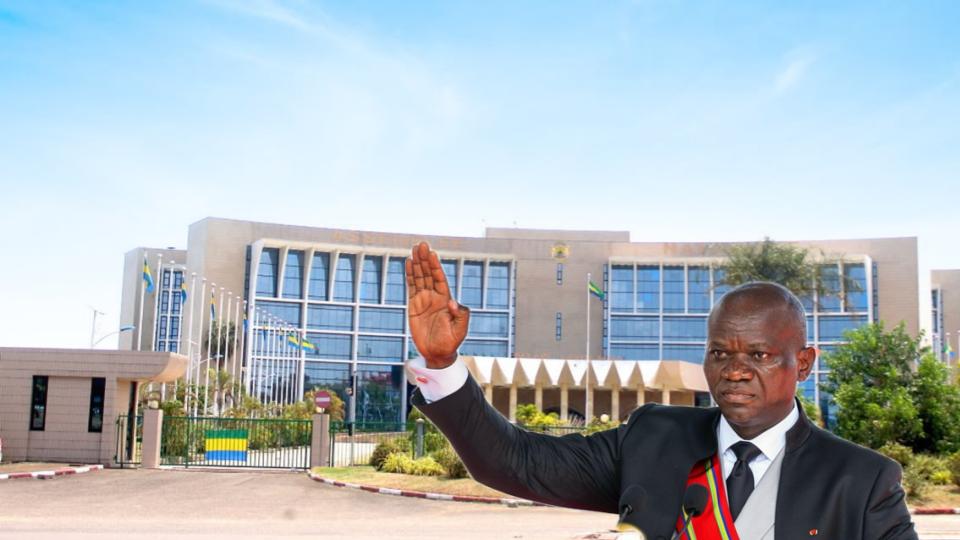
On 15 June 2026, the 145 deputies and 70 senators of Gabon’s parliament gather in congress to hear President Brice Clotaire Oligui Nguema’s address, as stipulated by article 93 of the constitution.
Described as a “presidential communication,” this solemn address before the national representation does not lead to any vote. However, it represents a major institutional moment, occurring nearly three years after the 30 August 2023 coup and a few months after the establishment of the Fifth Republic’s institutions. With the economy facing numerous uncertainties, his speech is highly anticipated.
This first congress of the Fifth Republic carries both political and economic significance. As Gabon continues its transformation with several infrastructure projects underway and growing interest from foreign investors, popular expectations remain high. Gabonese citizens particularly hope for clarifications on government direction following the announcement of a revision of budget forecasts for the 2026 fiscal year. Amid growing questions about the state’s ability to sustain its investment pace, the head of state is expected to provide concrete answers and reassuring outlooks.
An exercise in balancing budget rigour and social expectations
Expected lower revenues, slowing growth, a significant reduction in public investments, rising debt service, and ongoing discussions with the International Monetary Fund paint a particularly tight budget environment. Faced with these challenges, Brice Clotaire Oligui Nguema must demonstrate the state’s ability to preserve major development projects and maintain financial balances. He also needs to reassure the population about the sustainability of social policies, in a context where purchasing power and access to public services remain major concerns.
Adding to these financial constraints are ongoing difficulties with electricity blackouts, which continue to affect daily life for households and businesses. This issue is particularly sensitive because access to water and electricity forms the first pillar of the president’s societal project. The head of state’s address will therefore be closely scrutinised, both for any announcements regarding financing of energy infrastructure and for guarantees on the continuation of reforms, debt control, and protection of the most vulnerable populations. More broadly, this presidential communication must set the course for the coming months and strengthen the confidence of economic actors and citizens alike.